
Flowers
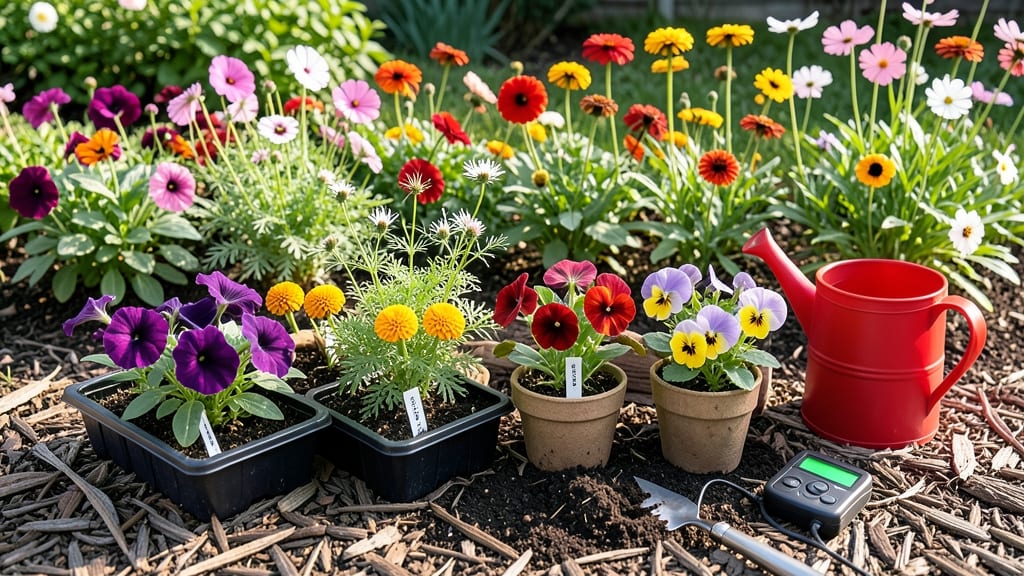
When to plant flowers in Philadelphia at the right time means the difference between a show-stopping garden and a sad, frost-nipped disappointment—but mastering the local climate is easier than you think.
With USDA Zone 7a’s unpredictable swings, knowing exactly when to plant—whether it’s March for hardy perennials or September for fall blooms—can save you from costly mistakes. I’ll break down the perfect windows for each flower type, so you never miss a season again.
From Fishtown’s urban heat islands to Wissahickon’s cooler slopes, Philadelphia’s microclimates shift planting dates by weeks. Learn how to adjust for your neighborhood’s unique conditions—plus pro tips to extend your bloom time without frost risk.
Ready to transform your garden into a year-round floral masterpiece? Let’s get started with the exact months that work for Philly’s climate.
Philadelphia’s exact planting months by flower type and frost zones
Philadelphia’s USDA Zone 6b/7a climate demands precision when planting flowers—getting the timing wrong can mean the difference between a vibrant summer display and frost damage.
The average last frost date hovers around April 15, but urban heat islands (like Center City) can push this 1-2 weeks earlier in some pockets.
For annual flowers, wait until after the last frost to plant heat-lovers like marigolds and petunias. Meanwhile, cool-season annuals (e.g., pansies, snapdragons) can handle light frosts and thrive when sown in early spring (March) or fall (September).
Perennials are more forgiving—plant them in early spring (March-April) or early fall (September) to establish roots before winter. Bulbs like tulips and daffodils, however, need fall planting (October) to bloom the following spring.
Here’s the breakdown you need to avoid frost-killed blooms:
| Flower Type | Best Planting Months | Notes |
|---|---|---|
| Annuals (Heat-Lovers) | May–June (after last frost) | Marigolds, zinnias, geraniums |
| Annuals (Cool-Season) | March or September | Pansies, snapdragons, sweet alyssum |
| Perennials | March–April or September | Coneflowers, black-eyed Susans, hostas |
| Spring-Blooming Bulbs | October (fall) | Tulips, daffodils, crocuses |
| Fall-Blooming Bulbs | August–September | Dahlias, cannas, gladiolas |
West Philadelphia’s warmer microclimate (thanks to urban heat) may allow you to plant 2 weeks earlier than Northeast Philly’s cooler slopes. Always check local frost data from the National Weather Service or Penn State Extension for real-time adjustments.
For container gardening, you can push limits further—plant heat-loving annuals in pots by mid-April and move them indoors if frost threatens. Just ensure containers have drainage holes to prevent root rot.
Pro tip: Use row covers or cold frames to extend your planting window by 10–14 days in early spring or late fall. This is especially useful for tender perennials like lavender or salvia.
If you’re planting seeds directly, start 4–6 weeks before the last frost (so around mid-March) for fast growers like basil or lettuce. Slower growers (e.g., tomatoes) need 8–10 weeks, so begin in February.
Remember: Philadelphia’s first frost typically arrives around November 1, but fall-planted bulbs (like tulips) need 6–8 weeks of cool weather to root. Plant them by mid-October to ensure they’re established before winter.
How Philadelphia’s microclimates affect flower planting success
Philadelphia’s urban heat islands can create 2-week differences in planting windows between neighborhoods. For example, Center City (like Fishtown) often sees earlier last frosts due to concrete absorbing heat, while Wissahickon or Mount Airy stay cooler longer.
These microclimates mean your March planting in one area might be risky in another.
The Schuylkill River also plays a role—areas near the water (e.g., Boathouse Row) experience cooler, slower springs than inland spots. If you’re in a river-adjacent zone, delay planting heat-loving annuals until late May instead of early May.
Here’s how to adjust your planting based on Philly’s key microclimates:
| Microclimate | Last Frost Shift | Adjust Planting By | Example Neighborhoods |
|---|---|---|---|
| Urban Heat Islands | 1-2 weeks earlier | Plant annuals 2 weeks sooner | Fishtown, Center City, Northern Liberties |
| River-Adjacent | 1-2 weeks later | Delay heat-lovers until late May | Boathouse Row, Penn’s Landing |
| Hilly Areas | 1 week later | Wait until mid-April for perennials | Wissahickon, Roxborough |
| Suburban Transitions | Standard dates | Follow April 15 last frost | South Philly, Germantown |
To account for these shifts, use local frost maps from the National Weather Service or check Philadelphia’s Master Gardener reports. For example, if you’re in Fishtown, you might safely plant zinnias in early May, while Wissahickon gardeners should wait until late May.
Another trick: Monitor degree days (a measure of heat accumulation) via Penn State Extension’s tools. When your neighborhood hits 200 degree days, it’s safe to plant tender annuals like geraniums or begonias.
For container gardens, microclimates matter less—you can move pots to warmer spots (like south-facing patios) to extend the season. Just ensure pots have drainage and use lightweight soil to prevent overheating.
Pro tip: If you’re unsure about your microclimate, test it yourself! Plant fast-growing annuals (like basil) in late April as a frost indicator. If they survive, your zone is warming up faster than average.