
Flowers
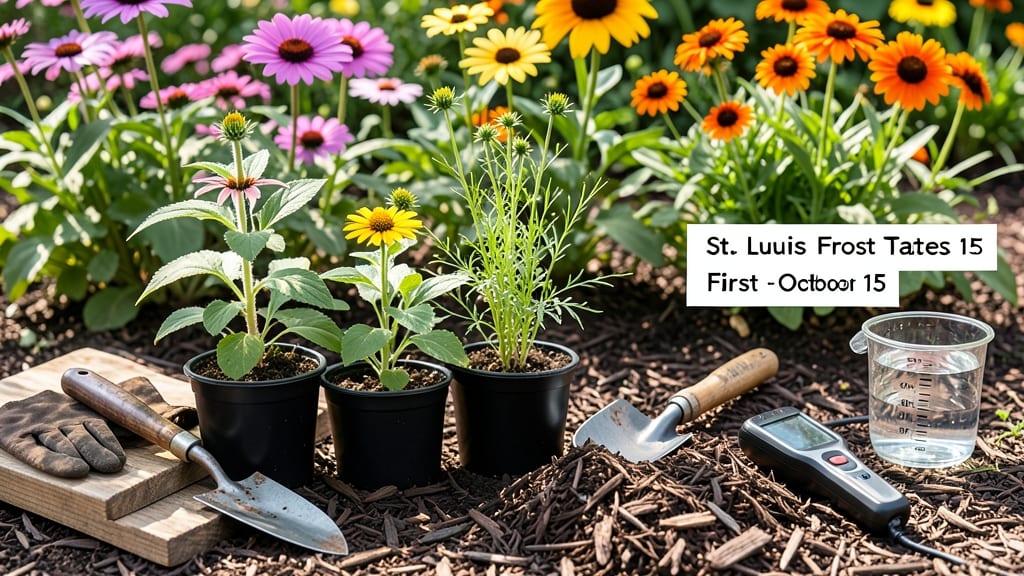
Timing when to plant flowers in St. Louis just right means the difference between a garden bursting with color and one that fizzles before it even starts.
With USDA Zone 6a/6b weather that swings from icy winters to sweltering summers, getting the planting schedule wrong can leave your blooms struggling—or worse, dead before they bloom.
I’ve spent years watching local gardens thrive (and sometimes fail) and learned that the key isn’t just knowing when to plant—it’s understanding how frost dates, soil warmth, and even your neighborhood’s microclimate play into the equation.
Whether you’re dreaming of coneflowers in summer or black-eyed Susans stretching toward fall, the right timing ensures your flowers take root strong and bloom like clockwork.
In this guide, I’ll break down the exact spring and fall planting windows for annuals, perennials, and bulbs, so you can avoid the most common mistakes. No more guessing whether to plant those seeds now or wait—just clear, actionable advice tailored to St. Louis’ quirks.
From protecting tender seedlings to choosing the hardiest varieties for your zone, you’ll discover how to stretch your blooming season longer than ever. Ready to turn your garden into a year-round showstopper? Let’s dive in.
St. louis last frost dates by season: when to plant annuals for maximum blooms
St. Louis sits in USDA Hardiness Zones 6a/6b, where frost dates can make or break your flower garden. The average last spring frost occurs around April 15, but urban areas like downtown may warm 1-2 weeks earlier than rural counties.
Always check the Missouri Botanical Garden's frost calendar for year-to-year variations.
For cool-season annuals like pansies and snapdragons, I plant seeds 4-6 weeks before the last frost date. These hardy flowers tolerate light frosts and often bloom earlier in spring than warm-season varieties. Warm-season favorites like marigolds and zinnias, however, need soil temperatures above 60°F—typically after May 1—to thrive.
| Season | Planting Window | Flowers to Plant | Soil Temp Requirement |
|---|---|---|---|
| Spring | March 15 - April 15 | Pansies, Snapdragons, Sweet Alyssum | 40-50°F |
| Spring | April 15 - May 15 | Marigolds, Zinnias, Petunias | 60°F+ |
| Fall | August 15 - September 15 | Cosmos, Bachelor's Buttons, Calendula | 55-65°F |
| Fall | September 15 - October 15 | Pansies, Stock, Sweet Peas | 45-55°F |
St. Louis' first fall frost typically arrives around October 31, but early frosts can hit as soon as October 15 in higher elevations like Creve Coeur Park. For fall-planted annuals, I aim to get seeds in the ground 6-8 weeks before the first frost.
This gives flowers like cosmos and bachelor's buttons time to establish roots before winter.
Microclimates play a huge role in St. Louis. Urban areas with pavement and buildings often warm 2-3°F faster than rural spots, while river valleys like the Meramec River Basin can experience later frosts. I always plant warm-season flowers in south-facing beds first—they get extra heat from walls or fences.
For bulbs like tulips and daffodils, I plant in late fall (November) when soil temps drop below 60°F. These hardy plants need cold stratification to bloom in spring. Perennials like coneflowers can go in early spring (March) or fall (September)—both work well in our climate.
Pro tip: Use row covers or frost cloth to extend your planting window by 2-3 weeks in spring or fall. I’ve successfully grown petunias in May and cosmos in October using these protective layers. Always remove covers during the day to prevent overheating.
If you’re unsure about frost dates, I recommend tracking local weather stations like the St. Louis Airport (KSTL) or Lambert Airport (KGLS)—they provide reliable data. For container gardening, you can plant 2 weeks later than ground plantings since pots warm up faster.
Remember, soil temperature matters more than air temperature. Use a soil thermometer to confirm 60°F+ for warm-season flowers. I’ve seen marigolds fail in May when soil was still 55°F, even if air temps were warm.
For succession planting, I stagger zinnias and sunflowers every 2 weeks from May through July. This ensures continuous blooms all summer long. Don’t forget to harden off transplants for 7-10 days before planting—the St. Louis wind can shock tender seedlings.
Best flower varieties for St. louis planting: perennials, bulbs, and heat-tolerant picks
St. Louis’ USDA Zone 6a/6b climate means we get to enjoy both early spring bloomers and heat-loving summer flowers. The right varieties not only thrive in our humid summers and chilly winters but also require minimal fuss once established.
I’ve tested these top performers in my own garden, and they consistently deliver vibrant color with low maintenance—perfect for busy gardeners.
For spring color, tulips and daffodils are my go-tos—they bloom reliably in March-April and naturalize over time. Plant bulbs in fall (October-November) for early spring surprises. Meanwhile, perennials like coneflowers and black-eyed Susans handle St. Louis’ hot, humid summers like champs, returning year after year with minimal division.
Here are my top 5 heat-tolerant annuals for summer blooms: marigolds, zinnias, cosmos, celosia, and sunflowers. These thrive in full sun and well-draining soil, making them ideal for St. Louis’ intense summer heat.
For shade lovers, impatiens and coleus add color to woodland gardens where sun is scarce.
-
1.
Spring Bulbs (Oct-Nov): Tulips, Daffodils, Hyacinths
🌱 Plant after first frost; blooms March-April
-
2.
Cool-Season Annuals (Mar-Apr): Pansies, Snapdragons, Sweet Alyssum
🌿 Ideal for spring/fall gardens; tolerate light frost
-
3.
Summer Perennials (Apr-May): Coneflowers, Black-Eyed Susans, Daylilies
☀️ Drought-tolerant; full sun lovers with long bloom times
-
4.
Heat-Tolerant Annuals (May-Jun): Marigolds, Zinnias, Sunflowers
🔥 Thrives in 90°F+ heat; great for cut flowers
-
5.
Fall Plantings (Aug-Sep): Asters, Chrysanthemums, Pansies
🌧️ Blooms before first frost; extends seasonal color
Don’t overlook native Missouri plants like butterfly weed and purple coneflower—they’re low-maintenance, attract pollinators, and handle St. Louis’ heavy clay soil better than many imports. For container gardens, petunias and geraniums are my top picks—they bloom nonstop from spring to frost and tolerate our humid summers beautifully.
Pro tip: If you’re new to perennials, start with easy-care varieties like sedum or lavender. Both handle drought and poor soil like champs, making them perfect for first-time gardeners. Just remember: well-draining soil is non-negotiable for most perennials in St. Louis’ clay-heavy areas.
For extended blooms, mix early spring, summer, and fall varieties in the same bed. This creates a continuous color show from March through October—no boring garden gaps here! My go-to combo is tulips (spring) + coneflowers (summer) + asters (fall) for a year-round display with minimal effort.