
Flowers
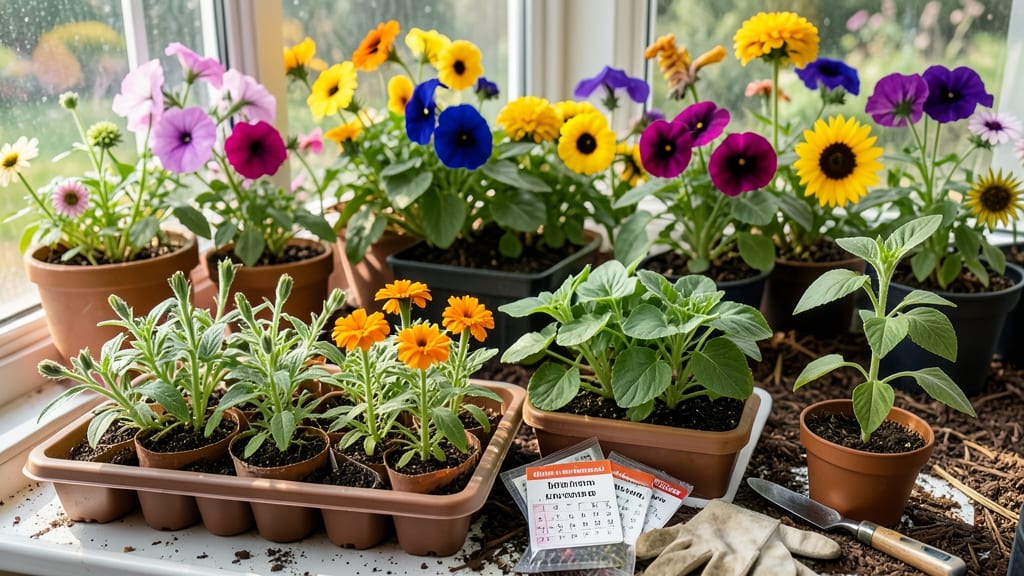
If you’ve ever stared at a seed packet wondering "when to plant flowers in Zone 7", you’re not alone—timing makes all the difference between a garden bursting with color and one that fizzles out.
Zone 7’s mild winters and warm summers give you a longer growing window than many regions, but even here, frost and heat can sneak up if you’re not careful.
I’ve spent years perfecting my garden’s schedule, and the key is knowing which flowers thrive when. Early spring brings cool-season bloomers like pansies, while late summer is prime for heat-loving zinnias. But with Zone 7’s unique microclimates, even a week can shift your success.
Let me walk you through the exact months to plant for bold, year-round blooms—no more guesswork, just vibrant results.
Whether you’re a beginner or a seasoned gardener, this guide will help you align your planting with nature’s rhythm. We’ll cover annuals, perennials, and bulbs, plus how to adjust for early frost or unexpected heat waves.
By the end, you’ll have a seasonal planting calendar tailored just for your Zone 7 garden.
Ready to transform your yard into a nonstop flower show? Let’s dive into the perfect timing for every type of bloom—so you can enjoy months of color without the stress.
Best planting months for annuals, perennials, and bulbs in Zone 7
In Zone 7, your last frost date typically lands around March 15, while the first frost arrives near November 15. This 220-day growing season gives you plenty of time to cultivate annuals, perennials, and bulbs—but timing is critical.
Plant too soon, and frost will damage tender sprouts; too late, and you’ll miss peak blooms. Let’s break down the ideal windows for each flower type to maximize your garden’s potential.
For cool-season flowers like pansies, snapdragons, and sweet peas, start seeds indoors 6-8 weeks before your last frost (around January-February). These hardy plants thrive in 50-65°F soil and can even handle light frosts.
Transplant them outdoors 4-6 weeks before last frost (early March) for early spring color. Bulbs like tulips and daffodils should be planted in fall (October-November) to naturalize and bloom next spring.
Warm-season annuals, including marigolds, zinnias, and petunias, prefer soil temperatures above 60°F. Wait until after your last frost (mid-April) to sow seeds directly or transplant seedlings. These flowers love full sun (6+ hours) and will reward you with summer-long blooms if planted at the right time. Pro tip: Harden off seedlings indoors for 7-10 days before transplanting to reduce shock.
Perennials like coneflowers, black-eyed Susans, and daylilies are the workhorses of your Zone 7 garden. Plant them in early spring (March-April) or early fall (September) to give roots time to establish before extreme temperatures.
Fall planting is ideal for drought-tolerant perennials, as cooler weather reduces stress. Space them 12-24 inches apart for airflow and future growth.
🌱
Don’t overlook succession planting to keep your garden blooming all season. After harvesting early spring veggies, replace them with fast-growing annuals like nasturtiums or cosmos (plant in May
Best planting months for annuals, perennials, and bulbs in Zone 7
Zone 7’s mild winters and warm summers create a unique planting window, but nailing the timing ensures your flowers thrive. The last frost date around March 15 signals the start of cool-season planting, while first frost on November 15 marks the end.
For annuals, perennials, and bulbs, each category has its own ideal window to maximize blooms.
Cool-season annuals like pansies and snapdragons love the early spring (February-March), while warm-season favorites such as marigolds and zinnias should wait until after last frost (April-May). Perennials, like coneflowers and black-eyed Susans, can go in as early as March or wait until fall for established roots before winter.
| Plant Type | Best Planting Months | Soil Temp Threshold | Notes |
|---|---|---|---|
| Cool-Season Annuals | February-March | 40-50°F | Direct sow or transplant before last frost. |
| Warm-Season Annuals | April-May | 60°F+ | Wait until soil warms; mulch to retain heat. |
| Perennials | March or September | 45°F+ | Spring for early blooms; fall for root establishment. |
| Spring-Blooming Bulbs | September-October | 50-60°F | Plant 6-8 weeks before frost for spring blooms. |
| Fall-Blooming Bulbs | March-April | 55°F+ | Plant after last frost for late-season color. |
For succession planting, sow quick-growing annuals like basil or nasturtiums every 2-3 weeks from April to July. This ensures continuous blooms and minimizes gaps in your garden’s color palette.
Perennials, however, benefit from a single planting in early spring or fall—just give them time to establish roots before winter.
Don’t overlook microclimates in your Zone 7 garden. South-facing beds warm up faster, allowing you to plant warm-season flowers 1-2 weeks earlier than north-facing spots. Use this to your advantage by starting heat-lovers like petunias in sheltered areas first.
If you’re unsure about your local frost dates, check the USDA Plant Hardiness Zone Map and consult your local cooperative extension service for precise timing. With the right schedule, your Zone 7 garden can burst with color from early spring pansies to late-fall mums—no frost-related surprises!
Pro tip: Mark your calendar for April 15 and September 15 as general guidelines for warm-season annuals and fall planting, respectively. Adjust based on your garden’s unique conditions.