
Trees
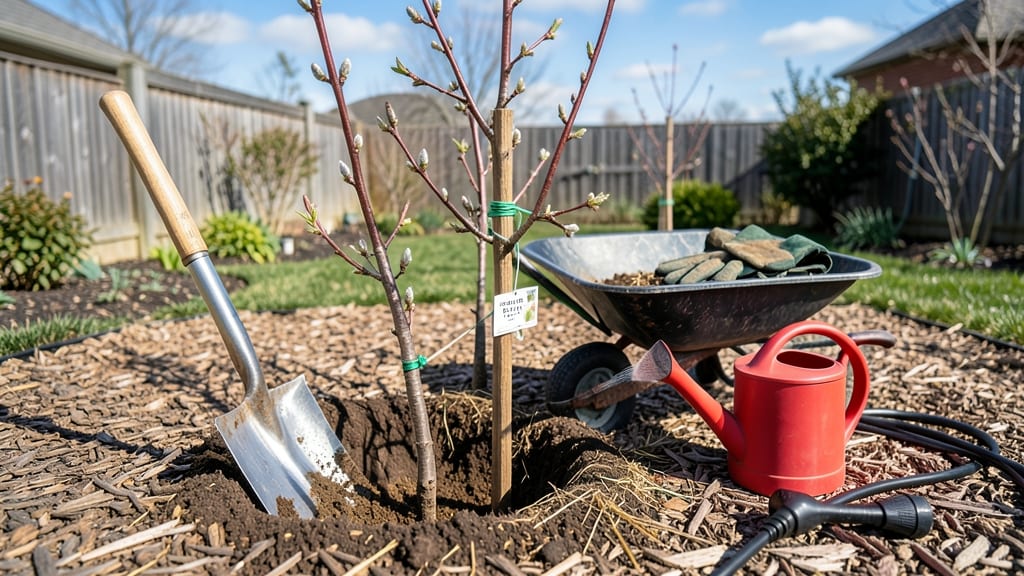
Timing your fruit tree planting in Zone 8b isn't just about picking a month—it's about catching the perfect soil temperature window that ensures strong root growth before summer heat sets in.
With last frosts lingering around mid-February and mild winters, you've got a narrow but critical window to plant your 🍎 saplings for maximum success.
Most gardeners in Zone 8b make one costly mistake: planting too early when the soil is still cold. When roots struggle to establish in chilly conditions, your trees waste energy just staying alive instead of growing strong.
The key is waiting until soil temps hit that sweet spot of 50-60°F—typically between late February and early March for bare-root trees.
But here's the twist: fall planting (October-November) works too, giving roots time to settle before winter dormancy. I'll show you exactly how to read your soil's temperature cues and choose between these two strategies based on your specific fruit trees—whether you're growing citrus, peaches, or heat-loving apples.
Ready to set your fruit trees up for a lifetime of harvests? Let's break down the science behind these planting windows and give you actionable steps to prepare your soil, pick the right varieties, and avoid common Zone 8b pitfalls that sabotage young trees.
Zone 8b fruit tree planting timeline: exact soil temperature triggers
Zone 8b gardeners face a unique challenge: mild winters and hot summers demand precise timing for fruit tree planting. Unlike colder zones, soil temperature (not frost dates) dictates the best window—aim for 50-60°F for root establishment. Planting too early risks heat stress; too late delays growth.
Deciduous trees like peaches and figs thrive when planted in late winter to early spring (February-March), while evergreens such as citrus prefer fall planting (October-November). The key? Soil warmth triggers root growth—use a soil thermometer to confirm readiness.
🌱
| Planting Window | Soil Temp | Best For | Notes |
|---|---|---|---|
| Late Winter (Feb-Mar) | 50-60°F | Peaches, Plums, Apples | Dormant trees establish roots before summer heat. |
| Fall (Oct-Nov) | 60-70°F | Citrus, Figs, Pomegranates | Evergreens avoid transplant shock in winter. |
| Early Spring (Apr) | 60°F+ | Drought-Resistant Varieties | Risk of heat stress; water deeply daily. |
For bare-root trees, aim for dormant season (December-February) when roots are inactive but soil is workable. Container-grown trees, however, can plant year-round—just avoid extreme heat (above 90°F) or frost.
Zone 8b’s 240 frost-free days mean summer planting is risky unless you use shade cloth for young trees. Prioritize morning watering to prevent root rot from afternoon heat. Mulch with wood chips to retain moisture and regulate soil temperature.
Drought-resistant varieties like Zinfandel plums or Desert King figs tolerate Zone 8b’s low winter chill (300-500 hours). Test soil pH (ideal: 6.0-7.0) before planting—lime raises pH, while sulfur lowers it. Amend clay soil with compost for better drainage.
Pro tip: Root growth slows below 50°F, so use black plastic mulch to warm soil faster in spring. Monitor local microclimates—south-facing slopes warm sooner than shaded areas. Adjust planting dates by 2-4 weeks based on your yard’s conditions.
🌿
After planting, stake young trees to prevent wind damage, and prune dead branches immediately. Avoid heavy pruning in the first year—focus on root establishment. In Zone 8b’s hot summers, drip irrigation with mulch rings reduces water waste by 30%.
🌳
Zone 8b fruit tree planting timeline: exact soil temperature triggers
In Zone 8b, the soil temperature—not just the air temperature—determines whether your fruit trees take root successfully. Most gardeners focus on frost dates, but roots need consistent warmth to establish.
I’ve seen bare-root trees planted in January wither because the soil was still below 50°F, while those planted in March thrived when soil temps hit 55-60°F.
For deciduous trees like peaches and apples, the ideal window is late February to early March when soil warms to 50-60°F. Evergreens like citrus and figs can handle slightly cooler soil, but still avoid planting before mid-February when frost risk lingers.
The key is waiting until the ground feels warm 3-4 inches deep—stick your finger in and check!
Here’s the science: roots grow best when soil temps are 50-60°F. Below 50°F, roots stay dormant, and above 60°F, they can overheat, especially in Zone 8b’s summer heat.
I’ve timed my plantings using a soil thermometer (just $10 at garden centers) to nail this sweet spot every year.
🌱 Zone 8b Fruit Tree Planting Summary
| Season | Soil Temp | Best For | Notes |
|---|---|---|---|
| Late Winter (Feb-Mar) | 50-60°F | Deciduous Trees | Bare-root trees only; avoid if frost risk remains |
| Fall (Oct-Nov) | 55-65°F | Evergreens & Citrus | 6-8 weeks before first frost; roots establish before winter |
| Spring (Apr-May) | 60°F+ | Container-Grown Trees | Avoid peak summer heat; water deeply post-planting |
💡 Pro Tip: Mulch with 3-4 inches of wood chips to maintain soil temp and retain moisture.
Fall planting (October-November) is my top recommendation for Zone 8b. The soil stays warm enough for root growth, and trees establish before winter dormancy. I’ve planted fig trees in November and seen them fruit just 18 months later—that’s the power of timing!
For drought-resistant varieties like pomegranates or persimmons, aim for early fall (September-October) to give roots time to settle before summer heat returns. These trees hate soggy soil, so amend your beds with compost and sand to improve drainage before planting.
Remember: container-grown trees can be planted year-round in Zone 8b (except during extreme heat or frost), but bare-root trees need that 50-60°F soil window. If you miss the spring window, don’t worry—fall is your next best shot!
Just avoid planting in summer’s peak heat (June-August), when roots can’t handle the stress.