
Trees
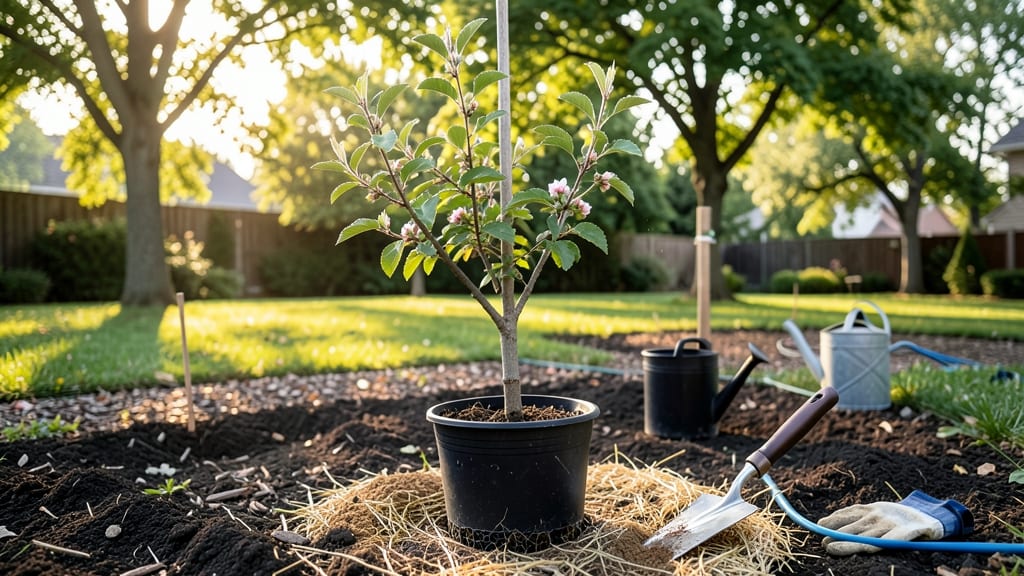
Planting fruit trees in Kentucky at the wrong time can mean weak root systems, poor fruit production—or even tree failure. But timing it right guarantees stronger growth, better yields, and trees that thrive for decades in zones 6a-7b.
The key is understanding your variety's chill-hour needs and Kentucky's frost patterns, which can shift between the Bluegrass and Pennyrile regions.
For most 🍎 fruit trees, late winter to early spring (February-March) is ideal, but some varieties like peaches need specific timing. Planting before buds break ensures roots establish without competing with new growth, while fall planting gives trees a head start in 6a-7b climates.
The goal? Strong roots before Kentucky's last frost hits around mid-April.
I'll break down the best months for each type—apples, peaches, pears—and how to prep your soil for maximum success. Whether you're a first-time gardener or a seasoned grower, these insights will help you avoid common mistakes and set your trees up for a bountiful harvest.
Ready to get started? Let's dive into the exact planting windows and care tips tailored for Kentucky's unique growing conditions.
Best Kentucky planting months by fruit tree type (chill-hour requirements explained)
Kentucky’s USDA zones 6a-7b and variable frost dates make timing critical for fruit trees. Planting too early risks frost damage, while waiting too long delays root establishment. The ideal window is late winter to early spring (February-March), but fall planting (October-November) also works for bare-root trees.
Each fruit tree variety has chill-hour requirements—the number of hours below 45°F needed to trigger flowering. Kentucky’s climate typically provides 600-1,000 chill hours annually, but verify your exact count using the Kentucky Mesonet or USDA Plant Hardiness Map.
Apples and pears need 500-1,000 chill hours, while peaches and plums thrive with 300-600 chill hours. Planting outside these ranges can lead to poor fruit set or no flowers at all.
🌱
| Fruit Type | Chill Hours Needed | Best Planting Month | Notes |
|---|---|---|---|
| Apples | 600-1,000 | March-April | Dwarf varieties adapt better to Kentucky’s humidity. |
| Peaches | 300-600 | February-March | Prone to brown rot; plant in well-draining soil. |
| Pears | 500-800 | March-April | Fire blight resistant varieties recommended. |
| Cherries | 600-1,000 | March-April | Sweet cherries need cross-pollination. |
| Plums | 300-600 | February-March | Dwarf varieties ideal for small spaces. |
For fall planting, focus on bare-root trees between October and November. This gives roots time to establish before winter, but avoid planting when soil temperatures drop below 40°F. Northern Kentucky (zone 6a) should plant earlier in the window, while southern Kentucky (zone 7b) has more flexibility.
Spring planting in March or early April is ideal for container-grown trees. Wait until after the last frost date (typically mid-April) to avoid cold snaps damaging tender roots. Use a soil thermometer to confirm ground temps are above 50°F.
🌿
If you miss the ideal window, late May is a secondary option for container-grown trees, but expect slower initial growth. Always water deeply after planting and mulch heavily to retain moisture and regulate soil temperature.
Pro tip: Check your local cooperative extension service for microclimate-specific advice, especially if you’re in a valley or urban heat island—these areas can have earlier last frosts.
🌳
How to prepare Kentucky soil and roots for fall planting (critical for winter survival)
Fall planting is my top recommendation for Kentucky gardeners because it gives fruit trees a head start on root growth before winter dormancy. But Kentucky's clay-heavy soils and freeze-thaw cycles require extra prep work.
Start by testing your soil's pH (ideal: 6.0-7.0)—most Kentucky soils lean acidic, which can stunt root development.
Amend the planting hole with a mix of compost and sand (if drainage is poor)—this improves aeration and water retention. For example, I blend equal parts native soil, compost, and coarse sand for peach trees, which need excellent drainage.
Avoid heavy fertilizers during planting; roots need time to establish without nutrient stress.
⚠️ Critical Warning: Root Pruning Mistakes
Never cut back roots more than 1/3 of their length—this shocks the tree. Instead, gently tease apart roots that circle the root ball (a common issue with nursery trees) to encourage outward growth. For Kentucky's 6a-7b zones, prune roots only if they're tightly bound—healthy roots should spread naturally.
✂️ Pro Tip: Soak bare-root trees in water for 1-2 hours before planting to rehydrate roots. This is especially critical for fall-planted trees facing Kentucky's dry winters.
After planting, mulch with 3-4 inches of wood chips (not fresh wood), keeping it 6 inches away from the trunk to prevent rot. In Kentucky's Bluegrass region, I use hardwood mulch because it breaks down slowly, while Pennyrile areas benefit from cedar mulch to deter deer.
Replenish mulch annually in spring to maintain insulation.
For container-grown trees, remove the pot and loosen roots along the edges before planting—this prevents "pot-bound" shock. Water deeply after planting, then monitor soil moisture weekly until frost arrives. Kentucky's mid-October first frost marks the deadline for final watering before winter dormancy begins.
One mistake I see often is planting too late in fall. Aim to finish by October 15th in 6a zones (northern KY) and November 1st in 7b zones (southern KY).
Trees need 6-8 weeks of root establishment before cold sets in. Use a soil thermometer to confirm ground temps stay above 40°F at night.
Finally, stake young trees only if necessary—Kentucky's winds can be fierce. Use soft ties (not wire) and remove stakes after 1 growing season to avoid girdling. With proper prep, your fall-planted trees will emerge stronger in spring, ready for Kentucky's fruit-bearing season.