
Planting
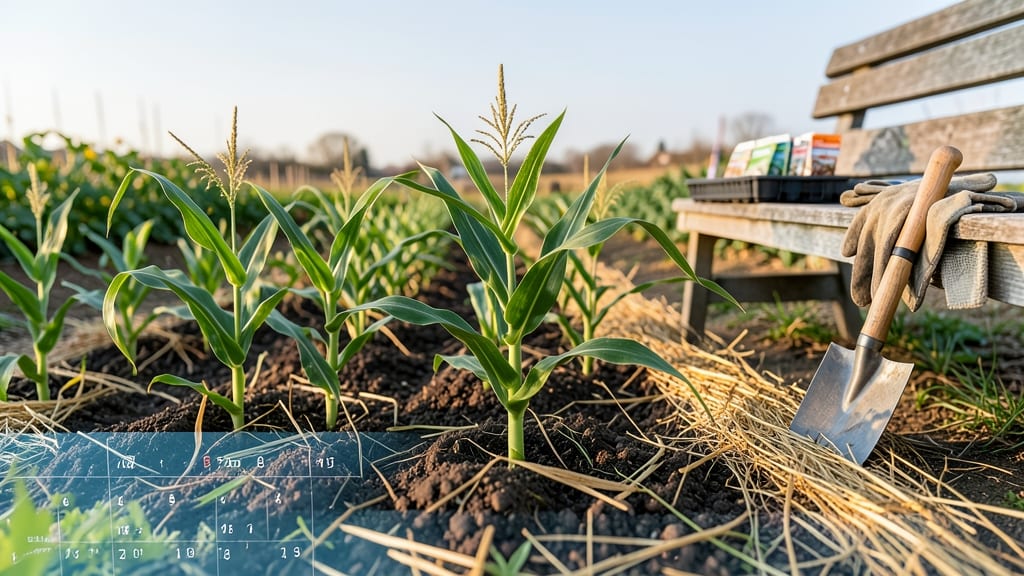
Timing your garden planting in Iowa wrong can mean the difference between a thriving harvest and a sad, frost-bitten disappointment. With USDA Zones 4a-5b and unpredictable spring weather, knowing the exact window matters more than you might think.
I’ve spent years watching Iowa’s frosts come and go, and the key to success isn’t just guessing—it’s tracking last frost dates by county.
Whether you’re planting cool-loving peas in April or heat-seeking tomatoes in May, missing the mark can leave your plants vulnerable to both cold snaps and summer pests.
In this guide, I’ll break down the perfect planting timeline for your specific Iowa county, including how to adjust for microclimates and extend your growing season. No more second-guessing—just confident planting that leads to a bountiful harvest.
Ready to turn your garden dreams into reality? Let’s dive into the exact dates and strategies that work for Iowa’s unique climate.
Iowa last frost dates by county: your planting timeline for zero risk
Iowa’s last spring frost dates vary dramatically across its 99 counties, with some areas like Dubuque averaging May 1-15 while southern counties like Muscatine see frost-free conditions by April 20.
These differences mean your cool-season crops like lettuce or peas could freeze in northern Iowa if planted too late, while warm-season crops like tomatoes might struggle in southern Iowa if planted before soil warms.
Understanding your USDA Hardiness Zone (Iowa spans 4a-5b) helps, but microclimates—like river valleys (warmer) or hilltops (colder)—can shift frost dates by 1-2 weeks.
For example, Des Moines (Zone 5a) typically sees its last frost April 25-May 10, but nearby Polk County might experience frost until May 15 due to local topography.
Below is a county-by-county breakdown of average last frost dates, organized by region. Use these as your planting benchmarks, but always monitor 10-day forecasts and soil temperatures (aim for 50°F+ for most vegetables).
For fall planting, first frost dates range from October 15 in northern Iowa to November 1 in the south.
| Region | Last Spring Frost | First Fall Frost | Key Crops for Early Planting |
|---|---|---|---|
| Northwest (e.g., Sioux, Lyon) | May 10-25 | October 5-15 | Peas, spinach, kale |
| Northeast (e.g., Dubuque, Jackson) | May 1-15 | October 10-20 | Radishes, lettuce, cabbage |
| Central (e.g., Polk, Story) | April 25-May 10 | October 15-25 | Onions, carrots, broccoli |
| Southwest (e.g., Harrison, Adams) | April 15-30 | October 20-Nov 1 | Green beans, cucumbers, squash |
| Southeast (e.g., Muscatine, Scott) | April 10-20 | October 25-Nov 5 | Tomatoes, peppers, eggplant |
🌱 Pro Tip: Plant cool-season crops 2 weeks before your last frost date and warm-season crops 2 weeks after.
For warm-season crops like tomatoes and peppers, wait until soil temperatures reach 60°F+—a soil thermometer is your best tool.
In northern Iowa, this often means waiting until late May, while southern counties can plant by mid-April. Cold-hardy crops such as kale and peas can handle light frosts (28°F), but avoid planting them after your last frost if you want a fall harvest.
Use this 3-step rule to time your planting:
- Check your county’s average last frost date (above),
- Add 2 weeks for warm-season crops or subtract 2 weeks for cool-season crops, and
- Verify soil temperature with a soil thermometer.
For example, if your last frost is May 10, plant tomatoes on May 24 (after soil warms), but spinach as early as April 25.
Iowa’s fall frost dates are equally critical for extending your harvest. In northern counties, the first frost typically arrives by October 15, giving you just 60-75 days for warm-season crops like beans or squash planted in early summer.
In southern Iowa, you might squeeze in 90 days of growth before frost. Use row covers or cold frames to push these dates by 2-3 weeks.
Don’t rely solely on averages—late frosts can occur as late as June 1 in northern Iowa or as early as September 15 in the south.
Sign up for local weather alerts (like those from the National Weather Service) and use frost-sensitive plants (like marigolds) as early warning systems. If your marigolds wilt overnight, expect frost within 24 hours.
For perennials and ornamental plants, timing matters too. Plant spring-blooming bulbs (like tulips) in fall (October-November) to establish roots before winter. Summer-blooming perennials (like
How to adjust planting dates for Iowa’s unpredictable weather patterns
Iowa’s weather can shift faster than a cornfield in a windstorm—one day it’s 60°F, the next it’s 28°F with frost. That’s why relying on average frost dates alone is risky.
Instead, I’ve learned to adjust planting times using real-time data, protective tools, and a few clever tricks to beat Mother Nature’s curveballs.
First, always check the 10-day forecast before planting warm-season crops like tomatoes or peppers. A late frost in May can wipe out your seedlings overnight, but a cold frame or frost cloth can add 2-4 weeks of protection.
I’ve saved entire plantings by covering them with lightweight row covers when temperatures drop below 32°F.
For cool-season crops like spinach or kale, you can push planting dates 2 weeks earlier in sheltered spots (like near a south-facing wall) where cold air pools less. In open fields, stick to the county averages but have backup seeds ready in case of unexpected cold snaps.
🚨 Here’s the golden rule: If your local forecast calls for a 30% chance of frost in the next 5 days, delay planting tender crops. I’ve lost count of how many times I’ve ignored this and regretted it—so don’t make my mistake!
⚠️ Warning: Late Frost Risks
Black patch fungus in corn, blossom end rot in tomatoes, and cold-damaged roots are all signs you planted too early. Even if the soil feels warm, a light frost can stunt growth for weeks.
Solution: Use a soil thermometer—wait until the ground reaches 50°F for warm-season crops. For cool-season plants, 40°F soil is ideal.
Pro Tip: Plant fast-growing radishes as a frost indicator. If they sprout quickly, your soil is safe for other crops!
Another trick? Plant warm-season crops in succession every 2 weeks until July 1st. This ensures a steady harvest even if early plantings struggle. For example, I’ll sow beans in late May, again in early June, and once more in late June—guaranteeing pods from July through September.
Don’t forget about fall planting! Many gardeners overlook the fact that cool-season crops thrive in Iowa’s autumn. Start seeds indoors in August for spinach or lettuce, then transplant after the first frost.
The soil stays warm longer than you’d expect, giving you a second harvest before winter.
Finally, keep a garden journal to track your local patterns. Note when frosts hit early or late, and adjust next year’s schedule accordingly. After 5 years of recording, I can now predict my last frost date within 3 days