Planting
Figuring out when to plant garden in Indiana can make or break your harvest—get it wrong, and you’re either staring at frost-nipped seedlings or scrambling for late-season crops.
Indiana’s USDA Zones 5b-6b give you a surprisingly short window between the last spring frost (usually mid-April) and the first fall chill (mid-October), so timing matters more than you’d think.
I’ve spent years tracking frost dates and testing planting strategies here, and the biggest mistake gardeners make is rushing warm-season crops like tomatoes or peppers before the soil warms enough.
Cool-season greens like spinach or lettuce? Plant them 4-6 weeks before that last frost—otherwise, you’ll be pulling up wilted plants in frustration.
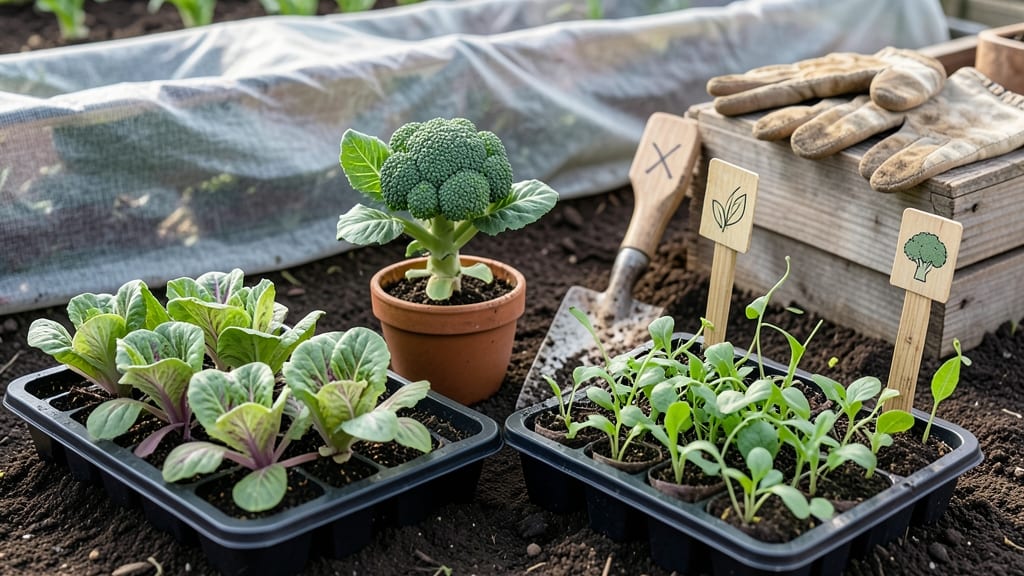
What if you want to squeeze in extra harvests? The key is understanding your microclimate—northern Indiana’s cooler pockets might need row covers for early starts, while southern Indiana’s milder stretches can push fall planting later.
I’ll break down exactly how to read frost forecasts, adjust for your specific zone, and even extend your growing season with simple tricks.
By the end, you’ll know not just when to plant, but why—so you can avoid common pitfalls and enjoy a garden bursting with homegrown goodness. Let’s get those 🌱 seeds in the ground the right way.
Indiana last-frost dates by USDA zone: when to plant cool-season crops
Indiana spans USDA Zones 5b-6a, meaning frost dates vary by region. Northern Indiana (Zone 5b) typically sees its last spring frost around April 15, while southern Indiana (Zone 6a) averages mid-April to early May.
These dates shift yearly, so always check local forecasts or use the 10-day rule: Wait 10 days after the average last frost before planting tender crops.
Cool-season crops like peas, spinach, and broccoli thrive when planted 4-6 weeks before the last frost. For example, in northern Indiana, start seeds indoors in early March for a late-April transplant. Southern Indiana gardeners can plant directly in late February to early March for early harvests.
Use this summary table to compare frost dates, planting windows, and ideal cool-season crops by zone:
| Zone | Avg. Last Frost | Plant Window (Cool-Season) | Top Crops |
|---|---|---|---|
| 5b (Northern IN) | April 15 | March 15–April 5 | Peas, Spinach, Kale, Lettuce |
| 6a (Central IN) | April 5–15 | March 1–March 25 | Broccoli, Carrots, Radishes, Onions |
| 6b (Southern IN) | April 1–10 | February 25–March 15 | Cabbage, Brussels Sprouts, Beets, Potatoes |
🌱 Pro Tip: Use row covers to extend planting by 2–3 weeks in early spring!
Microclimates matter! Gardens near lakes or rivers (e.g., Lake Michigan shorelines) may experience later frosts, while urban areas can be 2–3°F warmer than rural zones. Adjust planting dates accordingly—delay by 1–2 weeks if your area runs colder.
For fall planting, aim for 6–8 weeks before the first frost (typically mid-October in northern Indiana). Cool-season crops like kale and radishes often thrive in fall’s cooler temps. Use a frost calendar (like the one from Purdue Extension) to track local trends.
Hardy crops like spinach and peas can tolerate light frosts, but lettuce and cabbage may bolt if temperatures dip below 30°F. Monitor your garden’s microclimate—valleys and low spots freeze first, while south-facing slopes warm up faster.
Indiana’s first fall frost arrives earlier in the north (October 10–15) than the south (October 20–25). Plan accordingly: Plant late-summer crops like turnips by mid-August for a fall harvest before frost sets in.
Always test your soil temperature—cool-season crops prefer 45–75°F, while warm-season crops need at least 60°F. A simple soil thermometer (under $10) prevents costly mistakes like planting tomatoes too early.
Track your local frost dates for 3 years to spot patterns. Indiana’s climate shifts yearly, but historical averages provide a solid baseline. Start a garden journal to refine your timing over time!
Best heat-loving crops for Indiana gardens + their ideal planting windows
Indiana’s warm-season crops thrive when planted after the last frost date, but timing isn’t just about the calendar—it’s about soil temperature. Most heat-loving plants need soil at 60°F or warmer to germinate properly.
For example, tomatoes and peppers won’t sprout if the soil is too cold, even if the air feels warm. Use a soil thermometer to check—this simple tool can save you from wasted seeds!
In northern Indiana (Zone 5b), aim to plant warm-season crops like beans, squash, and okra between May 15 and June 1. In southern Indiana (Zone 6a), you can start a week earlier, around May 1.
The key is to wait until nighttime temperatures consistently stay above 55°F—this ensures your plants won’t get shocked by unexpected chilly nights.
Here’s a quick guide to the top 5 heat-loving crops and their perfect planting windows in Indiana:
- Tomatoes: Plant transplants after May 15 (soil temp ≥60°F). Direct-sow seeds 6-8 weeks before last frost for early varieties.
- Peppers: Start indoors in March, transplant after June 1 (they’re sensitive to cold). Soil must stay 70°F+ for best growth.
- Squash & Zucchini: Direct-sow after May 1 (soil temp ≥65°F). These grow fast—expect harvests in 45-55 days!
- Green Beans: Plant after May 15 (soil temp ≥60°F). Bush beans mature faster (50 days) than pole beans (60 days).
- Okra: A southern favorite that thrives in Indiana’s heat. Plant after June 1 (soil temp ≥75°F). Harvest pods 3-5 inches long for best flavor.
One common mistake Indiana gardeners make is planting warm-season crops too early because the air feels warm. But cold soil will stunt growth or prevent germination entirely. For example, pepper seeds can take 3 weeks to sprout in cool soil, while they’ll germinate in 3-5 days when soil is warm.
Always check soil temperature—it’s the real indicator, not the air thermometer!
For succession planting, sow beans and squash every 2 weeks until July 15. This ensures a steady harvest and prevents gluts. And don’t forget fall planting!
You can still grow heat-loving crops like okra and sweet potatoes if you start seeds indoors in July and transplant after August 1, using row covers to protect from early frosts.
If you’re new to growing these crops, start with transplants from a nursery—they’re already hardened off and ready to thrive. For direct-sowing, use biodegradable pots to avoid disturbing seedlings when transplanting. And remember: water deeply (1-2 inches per week) but avoid wetting leaves to prevent disease in humid Indiana summers.