
Plants
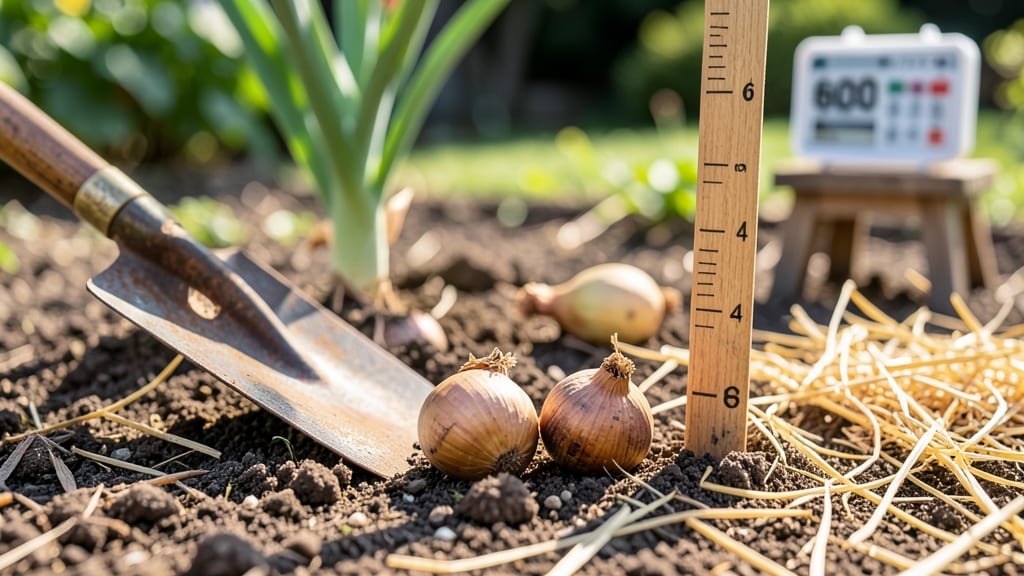
If you’ve ever stared at your Chicago garden in June and wondered where your gladiolus blooms went, timing is the answer—when to plant gladiolus bulbs in Chicago risks frost damage if done too early, while waiting too long means missing their show-stopping summer display.
The key lies in mastering Chicago’s unpredictable frost dates, where late springs and early heat waves can throw off even the most seasoned gardeners.
In USDA Zone 6a, gladiolus bulbs thrive when planted 2-4 weeks after your last frost date, typically landing you in that sweet spot between mid-April and mid-May.
But Chicago’s climate throws curveballs—like that infamous May frost or sudden heat spikes—so knowing exactly when to dig in (and how to adjust) makes all the difference for those towering 4-5-foot stalks you’re dreaming of.
I’ll break down the exact weeks to plant for your specific Chicago microclimate, whether you’re in the city’s urban heat islands or cooler suburban pockets. Plus, I’ll share pro tips to beat Chicago’s weather quirks—so you can enjoy July to September blooms that turn heads at neighborhood gardens.
Ready to transform your garden into a bold summer spectacle? Let’s get those bulbs in the ground at the perfect moment—no more guesswork, just stunning results.
Chicago’s last frost dates & gladiolus planting timeline (with exact weeks before frost)
Chicago’s USDA Zone 5b/6a climate means gladiolus bulbs must be planted with precision—too early, and they’ll rot in cold soil; too late, and you’ll miss summer’s showstopping blooms. The average last frost date in Chicago is April 15, but urban areas often experience late frosts until May 1.
To guarantee success, aim to plant 2-4 weeks after your local last frost date.
For mid-April planting, use hardy early varieties like ‘Picasso’ or ‘Green Star,’ which tolerate cooler soils. If you wait until mid-May, opt for heat-tolerant varieties like ‘Black Pearl’ or ‘White Wings’ to extend the bloom season through September. Chicago’s 165 frost-free days create a tight window—don’t delay!
Soil temperature is your best indicator: gladiolus bulbs thrive when soil reaches 60°F (15°C). Use a soil thermometer to confirm readiness—planting too soon in cold soil triggers rot. Suburban areas warm faster than urban heat islands, so adjust your timeline accordingly.
Here’s your Chicago-specific planting timeline based on historical data and microclimates:
| Stage | Action | Chicago Timeline |
|---|---|---|
| Soil Prep | Test pH (6.0–7.0), amend with compost | March 15–April 1 |
| Planting Window | Plant bulbs 4–6" deep, 6" apart | April 15–May 15 |
| First Blooms | Expect flowers 90–120 days after planting | July 1–August 15 |
| Peak Season | Full sun (6+ hours/day) critical | July 15–September 1 |
| Frost Protection | Dig and store bulbs before first frost (Oct 15) | October 1–15 |
Urban gardeners in Chicago’s heat islands (e.g., downtown) can plant 1 week earlier than suburban areas due to faster soil warming. Conversely, northern suburbs like Evanston may need to wait until May 1 for safety.
Always monitor your local Almanac frost predictions or use a frost clock app for real-time updates.
Pro tip: Stagger your planting in 2-week intervals to extend blooms from July through September. For example, plant half your bulbs on April 20 and the rest on May 5. This ensures continuous color when other summer flowers fade.
Chicago’s unpredictable late frosts can derail even the best-laid plans. If temperatures dip below 32°F (0°C) after planting, cover bulbs with row fabric or a cloche until soil warms. Never plant before April 1—gladiolus bulbs won’t tolerate Chicago’s springtime swings between 20°F and 70°F.
For container gardening, plant bulbs in late April when soil in pots warms faster. Use black pots to absorb heat and add 1 inch of mulch to retain warmth. Containers also allow you to move plants to sheltered spots during late frosts.
Remember: Gladiolus bulbs are not winter-hardy in Chicago. After the first frost (October 15), dig up bulbs, dry them in a cool, dark place, and store in paper bags until next spring. This 3-step process saves your investment and ensures healthier regrowth.
Chicago’s short growing season demands respect, but with these exact timelines, you’ll enjoy bold, drama-filled gladiolus blooms that steal the show from July to September. 🌸
How to adjust planting time for Chicago’s unpredictable weather: signs it’s safe to plant
Chicago’s late frosts and sudden heat waves can throw off even the most precise planting schedule. While the average last frost date is April 15, I’ve seen it creep into May 5—so don’t rush to plant your gladiolus bulbs just because your neighbor is!
The key is waiting for consistent soil temperatures above 55°F (13°C) for at least a week, which typically aligns with mid-to-late April in most of the city.
Urban areas like Downtown Chicago often warm up faster due to the heat island effect, while suburban neighborhoods like Naperville or Evanston may lag by 1-2 weeks.
To account for this, I recommend checking the National Weather Service’s frost prediction maps or using a soil thermometer—both tools are game-changers for avoiding frost damage.
🌱
⚠️ Warning: Chicago’s Late Frost Trap
Planting too early risks bulb rot from lingering cold. If you’re itching to start, pre-sprout bulbs indoors in late March using a paper towel method—just be ready to transplant them immediately after the last frost.
🌡️ Pro Tip: Use a clear plastic dome over seedlings for 2-3 nights if a late frost is forecasted.
Beyond frost, watch for soil moisture—gladiolus bulbs hate soggy soil, so if your garden is still waterlogged from spring rains, hold off until the ground drains well. A simple finger test works: if the top 2 inches of soil crumble when squeezed, it’s ready.
Pair this with 6+ hours of sunlight daily, and you’ve got the perfect setup for strong, healthy growth.
For those extended cold snaps that sneak up in May, I’ve had success using row covers or cold frames to protect young shoots. These lightweight covers trap heat without overheating the plants, giving your gladiolus a 2-3 week head start in cooler-than-usual springs.
Just remove them during the day once temps rise above 60°F (16°C) to prevent fungal issues.
If you’re still unsure, plant a test row of marigolds or snapdragons—their fast germination tells you exactly when your soil is warm enough for gladiolus. These indicator plants save me from guessing every year! Once they sprout reliably, it’s go time for your bulbs.
🌿 Finally, keep an eye on the 7-day forecast for heat waves. If temps jump to 85°F+ (29°C+) right after planting, your bulbs may bolt prematurely (sending up flower stalks too soon). To prevent this, mulch heavily with straw or shredded leaves to keep roots cool and moist.