
Plants
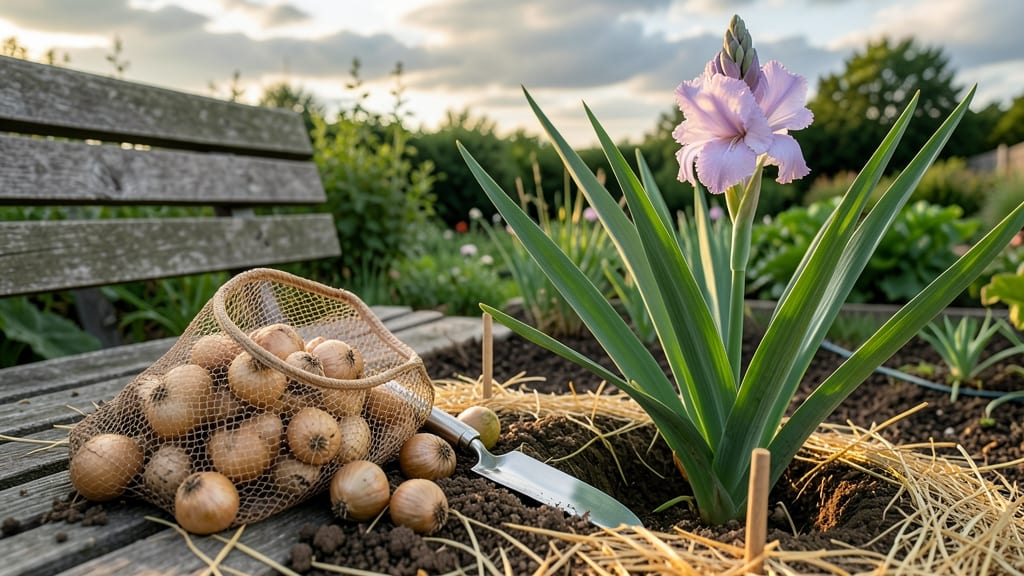
Timing your gladiolus bulbs planting in NC could mean the difference between a garden bursting with 🌸 and one that barely puts up a fight. North Carolina’s USDA zones 7a-8b offer two prime windows—spring and fall—but getting it wrong means weak stems or no blooms at all.
Most gardeners in NC rush to plant too early, only to watch their corms rot in cold soil. The key is waiting until the ground warms to at least 60°F, usually 4-6 weeks before your last frost date.
For most of the state, that’s March-April, but mountain regions run a little later.
Here’s the game-changer: a staggered approach lets you enjoy blooms from summer through fall. Plant your first batch in early spring, then add a second round in August-September for late-season color.
I’ll walk you through the exact weeks to plant—plus soil prep and spacing tricks—to guarantee those towering 4-5 ft spikes you’ve been dreaming of.
Ready to transform your NC garden into a showstopping display? Let’s dive into the perfect planting schedule—and avoid the mistakes that leave most gardeners scratching their heads in July.
NC gladiolus planting timeline: exact weeks before last frost by region
North Carolina’s diverse climate means your gladiolus planting window varies dramatically from the Coastal Plain to the Mountains. While most gardeners aim for 4-6 weeks before last frost, soil temperature and microclimates create nuanced differences.
Let’s break down the exact weeks for each region to ensure your gladiolus corms thrive.
First, check your USDA Zone: Most of NC falls in 7b-8a, but even within these zones, elevation and proximity to water bodies shift frost dates.
For example, Asheville (Zone 7b) averages its last frost around April 15, while Wilmington (Zone 8a) sees frost-free soils by March 1. These differences matter because gladiolus corms need soil temps of 60°F+ to sprout.
Here’s how to calculate your planting window: Subtract 6 weeks from your average last frost date. For Raleigh (Zone 7b), with a last frost of March 28, that means planting by February 14.
But wait—soil may still be too cold. Use a soil thermometer to confirm temps hit 60°F at 4-inch depth.
For fall planting (to enjoy blooms next summer), aim for August 15-September 15 in most of NC. This timing lets corms establish roots before winter dormancy.
In Zone 8a (e.g., Charlotte), you can push fall planting to early October, but avoid planting after October 15—new growth won’t harden off before frost.
| Region | USDA Zone | Last Frost Date | Planting Window | Soil Temp Check |
|---|---|---|---|---|
| Coastal Plain (e.g., Wilmington) | 8a | March 1 | February 15-March 1 | 60°F+ at 4" |
| Piedmont (e.g., Raleigh) | 7b | March 28 | February 14-March 14 | 60°F+ at 4" |
| Mountains (e.g., Asheville) | 7b | April 15 | March 1-March 15 | 65°F+ at 4" |
| Fall Planting (All Regions) | 7b-8a | N/A | August 15-September 15 | Soil 55°F+ |
Pro tip: If your soil runs cold, use black plastic mulch or a cold frame to warm it faster. This is especially useful in the Mountains, where cooler soils delay planting by 2-3 weeks.
For container growing, plant in late March—pots warm up quicker than garden beds.
Don’t overlook late frost risks in NC’s transitional zones. Even after your average last frost, a 28°F dip can damage emerging shoots. Harden off corms by planting 2 weeks early and covering young shoots with frost cloth if forecasts warn of late frosts.
For extended blooms, stagger plantings every 2 weeks from March through May. This ensures flowers from June through September, giving you a 3-month display.
Pair early plantings with tall varieties (like 'Green Garter') and later ones with dwarf types (like 'Pictured Perfect') to mix heights elegantly.
Remember: Gladiolus corms are not frost-tolerant, but their foliage can handle light frosts once established. If you’re in Zone 7a (e.g., Western NC), wait until after April 1 to plant—earlier corms may rot in cold, soggy soil.
Finally, mark your calendar for August 15 if you want fall blooms. Planting then gives corms time to root before winter, and they’ll reward you with summer flowers next year. Just avoid planting after September 1—new growth won’t survive NC’s first frosts.
NC gladiolus planting timeline: exact weeks before last frost by region
North Carolina’s diverse microclimates mean your gladiolus planting window could vary by 3-4 weeks depending on whether you’re in the Coastal Plain, Piedmont, or Mountains. The golden rule: plant when soil temps hit 60°F+ and 4-6 weeks before last frost.
For most of NC, that’s mid-March to early April, but mountain gardeners should wait until late April.
Here’s the kicker: NC’s USDA zones 7b-8a also allow for fall planting (August-September) to extend your bloom season. I’ll break down the exact weeks for each region—plus soil prep secrets—to ensure your gladiolus corms thrive from day one.
🌱 NC Gladiolus Planting Timeline by Region
| Region | USDA Zone | Spring Planting Window | Fall Planting Window | Soil Temp Goal |
|---|---|---|---|---|
| Coastal Plain (e.g., Wilmington) | 8a | Mid-March to early April | August 15-September 15 | 60°F+ |
| Piedmont (e.g., Raleigh, Greensboro) | 7b | Late March to early April | August 20-September 10 | 60°F+ |
| Mountains (e.g., Asheville, Boone) | 6b-7a | Late April to early May | September 1-15 | 60°F+ |
Pro Tip: Use a soil thermometer to confirm temps—cold soil = rot risk! 🌡️
Don’t let late frosts catch you off guard. In the Piedmont and Mountains, wait until after April 15 to plant—even if your neighbors rush in earlier. I’ve seen gladiolus corms planted too soon in March wilt when a 28°F night hits in early April.
Check your local NC State Climate Office for your exact last-frost date.
For fall planting, aim for 6-8 weeks before first frost (usually mid-November). This gives your corms time to establish roots before winter dormancy.
In Coastal NC, you might squeeze in a second fall batch by September 15, but mountain gardeners should stop by September 1 to avoid frost damage.
One more secret: Warm the soil faster by planting in black plastic mulch or near south-facing fences. This shaves 1-2 weeks off your planting window—critical if you’re racing the last frost.
I’ve added 1-2 inches of compost to my planting holes too; it boosts soil warmth and drainage, which gladiolus corms crave.
Now that you’ve got the timeline locked, let’s tackle the biggest planting mistakes NC gardeners make—and how to sidestep them. Spoiler: It’s not just about the calendar!