
Plants
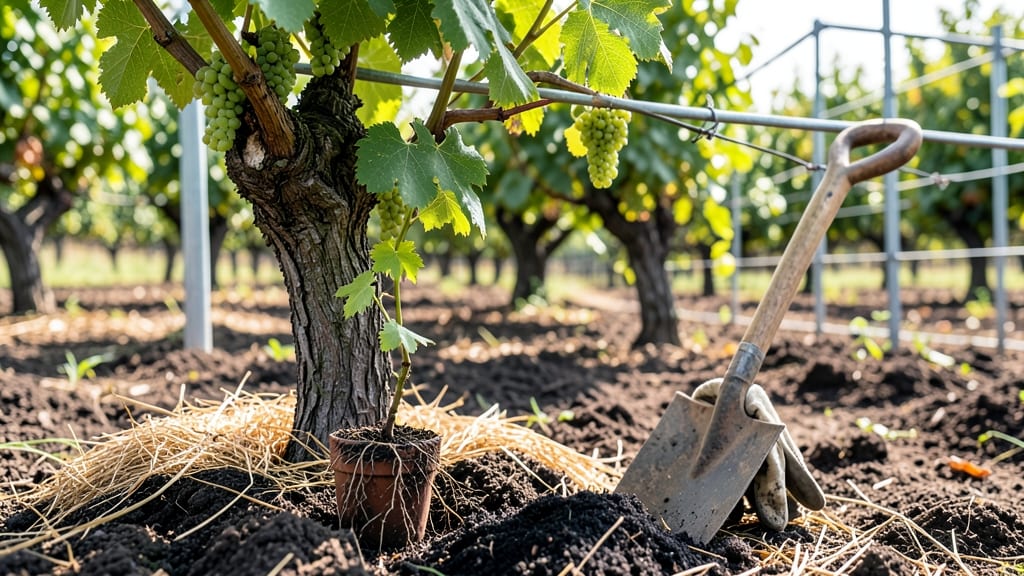
Timing your 🍇 grapes planting in Arizona isn’t just about following a calendar—it’s about outsmarting the desert’s brutal heat. Plant too early, and your vines will struggle with winter chills; too late, and they’ll wilt before they even take root.
The sweet spot? Late winter’s dormant season, when temperatures are mild enough to give your grapes a fighting chance.
Most Arizona gardeners swear by November through February as the golden window for planting grapes, but the real secret lies in choosing heat-resistant varieties that can handle 110°F+ summers. Whether you’re in Phoenix’s scorching lowlands or Flagstaff’s cooler highlands, the right timing and variety make all the difference.
In this guide, I’ll break down the exact months to plant, which grape types thrive in AZ’s climate, and how to prep your soil for maximum survival. No more guessing—just proven strategies to grow lush, productive vines that survive (and even love) the desert heat.
Ready to turn your backyard into a grape-growing oasis? Let’s dive into the step-by-step plan that’ll have you harvesting sweet, sun-ripened fruit by summer.
Best months to plant grapes in Arizona’s climate zones
Arizona’s USDA hardiness zones 6-9 create unique challenges for grape growers. The key to success lies in planting during the dormant season, when vines can establish roots before summer’s 110°F+ heat. For most of Arizona, this means focusing on November through February—but timing varies slightly by region.
In cooler high-desert areas like Flagstaff (Zone 7), you can plant as late as early March without risking frost damage. Meanwhile, Phoenix and Tucson (Zones 9-10) demand earlier planting by mid-November to avoid extreme heat stress on young vines. Understanding these regional differences is critical for survival.
🌱 Arizona Grape Planting Schedule by Region
| Region | USDA Zone | Best Planting Window | Key Consideration |
|---|---|---|---|
| Northern AZ (Flagstaff, Prescott) | 6-7 | November - March | Later planting possible due to cooler temps |
| Central AZ (Phoenix, Mesa) | 9-10 | November - January | Extreme heat limits spring planting |
| Southern AZ (Tucson, Yuma) | 9-10 | October - December | Earlier start to avoid summer dry heat |
| Elevated Valleys (Sedona, Payson) | 7-8 | December - February | Moderate climate allows extended window |
🌡️ Pro Tip: Use soil thermometers—ideal planting temps are 40-60°F.
For bare-root vines, which are most commonly sold, the dormant season is your best bet. These vines arrive without soil and need time to establish roots before Arizona’s monsoon season begins in July. Planting in December or January gives roots 4-5 months to strengthen before summer’s intensity peaks.
If you prefer potted grapes, you have slightly more flexibility—you can plant as late as early March in cooler zones. However, potted vines still need adequate watering and shade protection during their first summer.
Always remove the pot and trim the root ball to encourage outward growth into the surrounding soil.
Soil preparation is just as critical as timing. Arizona’s alkaline soils (pH 7.5-8.5) can stress young vines, so amend with compost and sulfur to lower pH to 6.0-6.5. Mix in organic matter to improve drainage, as grape roots hate soggy conditions.
A well-drained site with afternoon shade (via trellis or nearby structures) is ideal for heat protection.
One common mistake is planting too late in spring. By April, daytime temps often exceed 90°F, and newly planted vines can wilt within days. If you miss the winter window, consider container growing with shade cloths or wait until next fall.
Patience pays off—established vines handle Arizona’s heat far better than young, stressed plants.
For trellis installation, plant your vines with the trellis wires already in place. Grapes need vertical support to maximize sunlight exposure and airflow. Use T-posts or metal trellises that can handle 15-20 mph winds, common in Arizona’s desert storms.
Space vines 6-8 feet apart to allow proper air circulation and reduce disease risk.
After planting, mulch heavily with 3-4 inches of organic mulch (straw or wood chips) to retain moisture and regulate soil temps. Water deeply but infrequently—aim for 1-2 gallons per vine weekly during establishment.
Avoid overhead watering, which can spread fungal diseases like powdery mildew, a common issue in Arizona’s humid monsoon season.
Remember, heat acclimation is key. Start with partial shade for newly planted vines, gradually increasing sun exposure over 2-3 weeks. This hardens the vines and prepares them for Arizona’s intense sunlight.
With the right timing and care, your grapevines will reward you with juicy, sun-ripened fruit by late summer or fall. 🍇
Top 5 heat-resistant grape varieties for Arizona gardens
Arizona’s extreme heat and low humidity demand grape varieties that can handle 110°F+ temperatures while still producing sweet, high-quality fruit. Not all grapes thrive here—some wilt under the desert sun.
The key is selecting drought-tolerant, disease-resistant cultivars bred for arid climates. These top 5 varieties consistently deliver in Arizona’s USDA Zones 6-10, offering reliable yields and minimal fuss.
My personal favorite for Arizona gardens is 'Black Spanish', a disease-resistant table grape that ripens early and handles heat exceptionally well. It’s also one of the few varieties that produces juicy, seedless fruit perfect for fresh eating.
If you’re after red wine grapes, 'Anasazi' is a top pick—it’s drought-tolerant, high-yielding, and resistant to powdery mildew, a common issue in monsoon season.
🍇 Arizona Grape Variety Ratings
⚠️ Note: Ratings based on Arizona-specific performance in 100°F+ climates.
'Flame Seedless' is another standout for Arizona gardens, producing golden-yellow grapes with a sweet, honey-like flavor. It’s incredibly drought-resistant and thrives in full desert sun, making it ideal for low-water landscapes. For wine enthusiasts, 'Crimson Seedless' is a fantastic choice—it yields deep red grapes perfect for jams, juices, or even homemade wine, and handles Arizona’s heat better than many traditional wine grapes.
If you’re new to grape growing, 'Thompson Seedless' is a safe bet, though it requires slightly more water and shade than the others. It’s the classic raisin grape and produces large clusters of sweet, seedless fruit.
However, be prepared for higher maintenance in Arizona’s heat—it’s more prone to sunburn and mildew if not properly cared for.
When selecting your variety, consider your primary goal: Are you growing for fresh eating, wine, or drying into raisins? Each variety excels in different areas. For example, 'Black Spanish' is best for table grapes, while 'Anasazi' shines as a wine grape.
Always choose disease-resistant rootstock (like '1103 Paulsen') to further improve survival rates in Arizona’s challenging climate.
One critical tip for Arizona grape growers: mulch heavily and provide afternoon shade during the first growing season. Even heat-resistant varieties need protection as young plants. Use 3-4 inches of organic mulch (straw or wood chips) to retain moisture and regulate soil temperature.
For container growing, opt for self-watering pots with 5+ gallons of capacity to handle Arizona’s evaporative demands.
With the right variety and care, you’ll enjoy homegrown grapes by late summer or early fall, just in time for Arizona’s monsoon season. The satisfaction of harvesting sun-ripened fruit grown in your own backyard—especially in a place as tough as the desert—is unmatched. 🍇