
How To
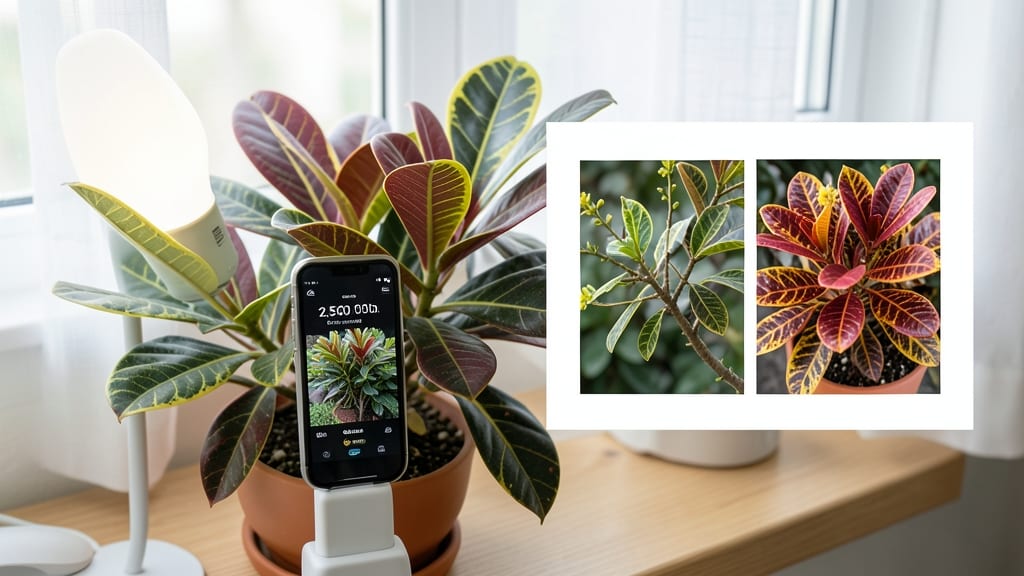
If you’re wondering how much light does a Croton plant need to keep its leaves vibrant and healthy, the answer lies in striking the right balance—too little or too much can dull or crisp those stunning variegated leaves.
Crotons thrive in bright indirect sunlight, but too much direct sun or insufficient light can turn those stunning variegated leaves dull or even scorched. The key is finding that perfect balance, whether you're growing your plant indoors or outdoors in USDA Zone 6a.
In this guide, I’ll break down exactly how much light your Croton needs—from the ideal 4-6 hours of sunlight to adjusting care for seasonal changes. You’ll learn how to spot the signs of over- or under-exposure and make quick fixes to keep your plant’s foliage looking its best.
Ready to transform your Croton’s health? Let’s dive into the sunlight secrets that will bring back that lush, colorful glow.

Ideal light requirements for croton plants: bright indirect sunlight explained
Croton plants, with their striking variegated foliage, thrive under bright indirect sunlight—this is their golden rule. Unlike sun-worshiping succulents, crotons crave filtered light that mimics their tropical origins. Think of it as a morning sunbath followed by an afternoon shade break.
Too little light dulls their colors, while too much causes leaf scorch—both are easy pitfalls for new plant parents.
Outdoors, position your croton where it gets 4-6 hours of morning sun and dappled shade in the afternoon. A spot under a large tree canopy or near a building’s east-facing wall works perfectly.
Indoors, a south- or west-facing window is ideal, but avoid harsh midday rays that can bleach the leaves. The key is to replicate the gradual light transition they’d experience in their natural habitat.
Here’s the light spectrum crotons love: 40-60% shade cloth during peak sun hours (11 AM–3 PM) is a game-changer for outdoor plants. For indoor setups, a sheer curtain between the plant and window diffuses intense glare while still allowing plenty of bright, indirect light to penetrate.
Skip the north-facing window—it’s too dim for these sun-seekers.
Watch for tell-tale signs your croton isn’t getting the right light. Pale or yellowing leaves signal light deficiency, while brown crispy edges mean sunburn. The goal is even coloration—deep greens, oranges, and reds should remain vibrant and uniform.
If you notice stretched-out growth (called etiolation), your plant is reaching for light—time to move it closer to a brighter spot.
Seasonal adjustments are crucial. In summer’s intense heat, crotons may need extra afternoon shade to prevent leaf damage. Conversely, winter’s weaker sunlight might require moving your plant within 2 feet of the window or supplementing with a grow light.
Rotate your plant quarter-turns weekly to ensure even light exposure all around—this prevents lopsided growth and keeps those showstopping leaves looking their best.
Pro tip: Use a light meter app (like Planta or LeafSnap) to measure lux levels (ideal range: 10,000–15,000 lux). If your space falls short, a 10W LED grow bulb on a timer can bridge the gap.
Just remember: consistency is key—crotons hate sudden light changes, so transition them gradually over 7–10 days if relocating.
For outdoor crotons, mulch around the base with organic matter to retain moisture and moderate soil temperature. This helps the plant thrive in fluctuating light conditions, especially during transitional seasons like spring and fall.
Pair this with regular pruning to encourage dense, bushy growth—a happy croton is one that’s well-lit and well-loved.
🌿
Ideal light requirements for croton plants: bright indirect sunlight explained
Crotons absolutely love bright indirect sunlight, which is why they flourish near south-facing windows where they can soak up gentle morning rays while avoiding harsh afternoon glare.
Aim for 4-6 hours of sunlight daily, but never let them bake in direct midday sun—this can scorch those beautiful variegated leaves.
In their natural tropical habitats, crotons grow under dappled shade from taller trees, which mimics the perfect light balance. Indoors, position your plant within 3 feet of a south-facing window for optimal light exposure.
If your home has limited natural light, don’t worry—we’ll cover grow light solutions later in this guide.
Here’s how to visualize the ideal light setup for your croton:
| Light Type | Daily Duration | Best For | Signs of Success |
|---|---|---|---|
| Bright Indirect | 4-6 hours | Indoor south window | Vibrant variegation, glossy leaves |
| Partial Sun | Morning sun + afternoon shade | Outdoor patio or balcony | Healthy growth, minimal leaf burn |
| Direct Sun | >6 hours (risky) | Hot climates only | Brown crispy edges, bleached leaves |
Outdoors, crotons thrive in partial shade gardens where they receive filtered sunlight. If you’re growing yours in USDA Zone 6a, place it where it gets morning sun and afternoon shade—especially during summer months when sunlight is most intense.
Watch for leaf color changes like yellowing or browning, which are your plant’s way of saying, “Adjust my light!”
During winter, when natural light drops, supplement with a 12-hour grow light placed 12-18 inches above the plant. This mimics the longer daylight hours crotons prefer and prevents leggy growth.
Rotate your plant quarter-turn weekly to ensure even light exposure on all sides—uneven growth is a classic sign of light imbalance.
Pro tip: Use a light meter app to check your space’s light levels. Aim for 1,000-2,000 foot-candles of light—this is the sweet spot for keeping your croton’s foliage bold and colorful year-round.