Plants
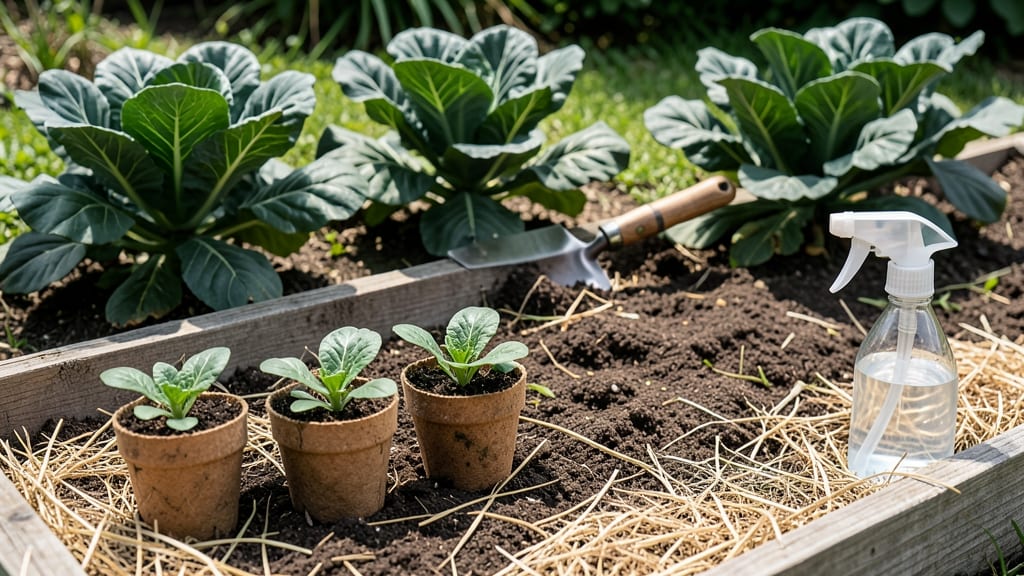
If you’ve ever wondered when to plant collard greens in Georgia, timing is the secret weapon you’ve been missing. The key to sweet, tender leaves lies in planting them during the perfect cold-hardy windows—when temperatures cooperate with Georgia’s 7b-8b climate zones.
Most gardeners in Georgia know collards thrive in fall and winter, but did you know the ideal planting window shifts depending on whether you’re in the Piedmont or Coastal Plain?
Planting too early in spring risks bolting, while waiting too late in summer can leave you with stunted growth before frost hits. Let’s break down the exact months to plant for a year-round harvest.
Whether you’re a seasoned gardener or just starting, mastering these timing tricks will transform your collard greens from so-so side dishes to the star of your table. I’ll share Georgia-specific strategies—like succession planting and frost protection—to keep your greens growing even when temps dip.
Ready to turn your backyard into a collard green powerhouse? Let’s dive into the best planting months and pro tips to make your harvest last from fall through spring.
Best planting months for collard greens in Georgia’s climate zones
Georgia’s diverse climate—from the humid Coastal Plain to the cooler Appalachian Mountains—creates three distinct planting windows for collard greens. Unlike many vegetables, collards thrive in cool weather and can even survive light frosts, making them ideal for fall, winter, and early spring planting.
The key is aligning your planting schedule with Georgia’s USDA Zones 7b-8b and avoiding extreme heat or drought stress.
For most of Georgia, the best time to plant collard greens is either late summer (August-September) for a fall harvest or early spring (March-April) for a spring crop.
However, gardeners in Zone 8b (coastal areas) can extend planting into October, while those in Zone 7b (northern Georgia) should finish by September 1st to avoid early frost damage.
Here’s how Georgia’s microclimates break down for optimal planting:
| Climate Zone | Ideal Planting Window | First Frost Date | Harvest Window | Key Tip |
|---|---|---|---|---|
| Coastal Plain (Zone 8b) | August 15–October 15 | November 30 | October–March | Plant successionally every 3 weeks for continuous harvest. |
| Piedmont (Zone 7b-8a) | August 1–September 15 | November 15 | September–February | Use row covers for frost protection in late fall. |
| Mountains (Zone 7a) | March 15–April 15 | October 15 | April–November | Start seeds indoors in February for early planting. |
| All Zones | March 1–April 30 | N/A (Spring) | May–June | Avoid planting after May 15 to prevent bolting. |
If you’re in Zone 8b (coastal Georgia), you can push the envelope by planting collard greens in early December for a late-winter harvest, especially if you use mulch or row covers to insulate the soil.
In contrast, gardeners in northern Georgia (Zone 7a) should focus on spring planting (March-April) and treat fall as a secondary season.
For year-round success, I recommend a two-season approach: plant once in late summer (August) for a fall/winter harvest, and again in early spring (March) for a spring/summer crop. This strategy ensures you’re always harvesting fresh, tender leaves without gaps in your supply.
One common mistake Georgia gardeners make is planting collards too early in spring (before March 15) or too late in fall (after October 1). Soil temperatures below 50°F or above 85°F can stunt growth or cause bolting. Always check your local frost dates and adjust accordingly.
Pro tip: Use a soil thermometer to confirm soil temps are 50–70°F before planting. In Georgia’s heat, this often means waiting until late afternoon to plant in August or September to avoid stressing young seedlings.
For urban gardeners in Atlanta or Savannah, container growing is a great option. Plant in 5-gallon pots filled with well-draining potting mix and place them in partial shade during peak summer to prevent bolting.
How to extend collard green harvests through Georgia’s frost seasons
Georgia’s mild winters and occasional frost create perfect conditions for collard greens—but only if you protect them. Light freezes (28-32°F) can damage tender leaves, while hard freezes (below 28°F) can kill plants entirely.
The key to a year-round harvest lies in strategic frost protection and planting adjustments.
In my Zone 7b garden, I’ve learned that collards planted in late summer (August-September) can survive until January with the right care. Meanwhile, spring plantings (March-April) need shade protection to avoid bolting when temperatures rise above 75°F.
Let’s explore the Georgia-specific techniques that keep my collards thriving through frost and heat.
⚠️ WARNING: Collards planted too late in summer risk stunted growth before frost. Conversely, early spring plantings can bolt if daytime temps exceed 70°F. Here’s how to avoid both pitfalls:
Frost Protection Risks in Georgia
- Light Freezes (28-32°F): Leaves may yellow but recover with mulch.
- Hard Freezes (<28°F): Can kill plants without protection.
- Spring Heat (>75°F): Causes bolting (flowering) and bitter leaves.
- Urban Heat Islands: Cities like Atlanta stay 10°F warmer than rural areas, accelerating bolting.
Solution: Use row covers for light freezes and shade cloth for spring heat.
For extended fall harvests, I plant collards in early September and cover them with floating row covers when temps drop below 40°F. This protects leaves while allowing sunlight to penetrate. In winter, a 4-inch layer of straw mulch insulates roots from temperature swings.
Spring plantings (March-April) need 30% shade cloth to prevent bolting. I also use drip irrigation to keep soil moisture consistent, as dry soil accelerates heat stress.
My Zone 8b neighbors often plant a second crop in late February for an early spring harvest, but they watch for unpredictable late frosts.
Pro tip: Succession planting every 2-3 weeks from August to October ensures a steady supply. For example, I plant half my collards in early August (harvest by November) and the rest in mid-September (harvest through January). This staggered approach maximizes yield and minimizes frost risk.
Remember, Georgia’s microclimates vary. Coastal areas (like Savannah) have milder winters and can harvest later, while the Blue Ridge Mountains may see earlier frosts. Always check your local frost date averages and adjust planting times accordingly.