
Plants
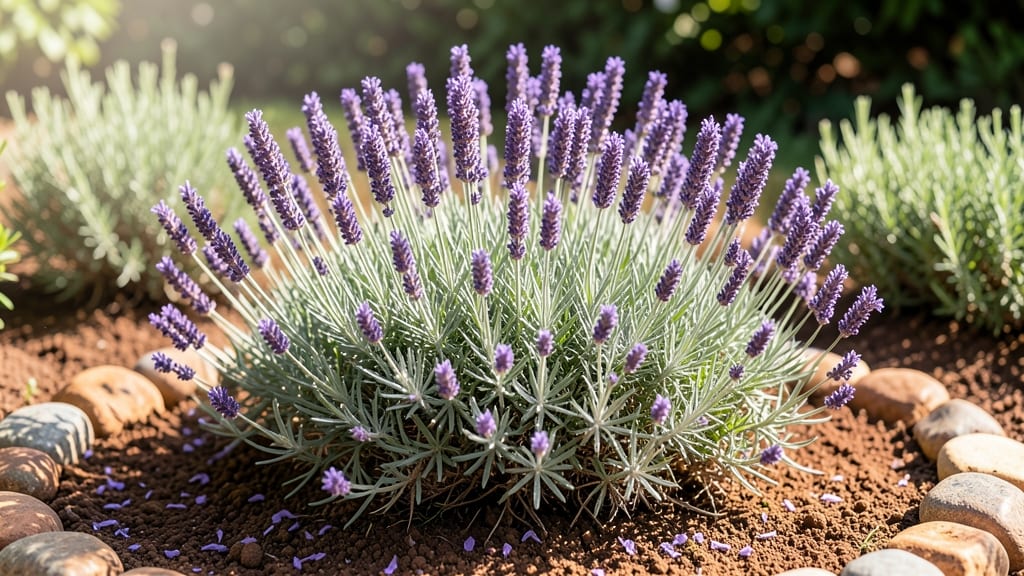
If your 🌿 lavender plant looks like it’s barely surviving instead of thriving, you might be getting its light needs all wrong. Lavender isn’t just picky about sunlight—it practically demands it to produce those fragrant purple blooms you love.
Without enough light, you’ll end up with leggy stems, sparse flowers, or worse, a plant that gives up entirely.
Here’s the truth: lavender plants need at least 6-8 hours of direct sunlight every day to stay healthy and bloom abundantly. Whether you’re in a sunny Mediterranean climate or a cooler USDA Zone 6a, understanding how much light lavender truly needs is the key to keeping it happy.
Too little, and it struggles; too much, and you risk burning those delicate leaves.
But what if your garden doesn’t get full sun? Don’t worry—there are ways to work with what you’ve got. I’ll show you how to spot the signs of light deficiency, adjust your planting strategy, and even use companion plants to give your lavender the extra boost it craves.
Let’s get your lavender back on track to becoming the star of your garden.
Ready to transform your lavender from struggling to stunning? Let’s dive into the exact sunlight requirements and practical tips to ensure your plant gets just the right amount of light—no guesswork involved.

Ideal sunlight requirements for lavender plants: full sun vs. partial shade
Lavender thrives in full sun, but understanding its exact needs can make the difference between a fragrant, blooming plant and a struggling one. Native to the Mediterranean region, lavender evolved to bask under bright sunlight for 6 to 8 hours daily.
This exposure triggers the chemical processes that produce its signature aromatic oils and vibrant blooms. Without enough light, your lavender may grow leggy, produce fewer flowers, or even fail to flower at all.
While lavender prefers full sun, it can tolerate partial shade, especially in hotter climates where afternoon sun might be too intense. However, even in partial shade, aim for at least 4 to 6 hours of direct sunlight to ensure healthy growth.
The key is balancing light exposure with your local climate—cooler regions like the Pacific Northwest may handle more shade, while sweltering areas like the Southwest might need afternoon protection.
Here’s how to match lavender’s sunlight needs to your garden’s conditions:
| Condition | Full Sun (6+ Hours) | Partial Shade (4-6 Hours) |
|---|---|---|
| Growth Impact | Optimal blooms, compact growth, strong fragrance | Slower growth, fewer flowers, leggy stems |
| Best For | Mediterranean climates, USDA Zones 5-9 | Cooler regions, shaded gardens, afternoon sun protection |
| Bloom Quality | Abundant, vibrant purple blooms | Sparse, smaller blooms, less fragrance |
| Water Needs | Moderate; drought-tolerant | Higher; soil stays moist longer |
| Regional Adjustments | Morning sun + afternoon shade in hot zones | Use reflective surfaces (mirrors, light-colored walls) |
If you’re growing lavender in containers, prioritize southern or western exposures to maximize sunlight. Containers heat up faster, so ensure your pot has drainage holes and use a lightweight potting mix to prevent root rot.
In ground beds, space plants 18 to 24 inches apart to avoid competition for light and air circulation.
For gardeners in shadier climates, consider dwarf lavender varieties like ‘Hidcote’ or ‘Munstead’, which tolerate slightly less light than standard types. These varieties still need at least 4 hours of sun, but they adapt better to partial shade.
Pair them with sun-loving companions like rosemary or thyme to create a microclimate with better light exposure.
In urban settings, where buildings or trees block sunlight, place lavender near reflective surfaces like white walls or mirrors. These surfaces bounce light back to the plant, simulating full sun conditions.
Another trick? Group lavender with taller plants on the north side to shield it from harsh afternoon rays while still allowing morning light.
Regardless of your location, avoid deep shade—lavender won’t thrive with less than 4 hours of direct sunlight. If your garden lacks natural light, consider growing lavender indoors near a south-facing window or under grow lights for 12 to 14 hours daily.
Just remember, indoor lavender may not bloom as heavily as outdoor plants, but it’ll still reward you with fragrant foliage.
Pro tip: Monitor your lavender’s leaves for color changes. Healthy lavender leaves are silvery-green. If they turn yellow or pale, it’s a sign of too little light, while brown or crispy edges indicate sunburn from excessive exposure. Adjust placement accordingly to keep your plant happy and thriving.
By tailoring sunlight exposure to your lavender’s needs, you’ll unlock its full potential—vibrant blooms, intoxicating fragrance, and lush growth that’ll make your garden the envy of the neighborhood. 🌿☀️
Signs your lavender isn’t getting enough (or too much) light
Your lavender might be silently screaming for help if it’s not getting the right amount of light. One of the first signs of light deficiency is leggy, sparse growth.
When lavender doesn’t get enough sunlight, it stretches out desperately toward any available light, creating weak, elongated stems that flop over. These stems often produce fewer flowers or none at all, leaving you with a plant that looks more like a sad twig than the fragrant beauty you envisioned.
Another red flag is pale or yellowing leaves. Healthy lavender leaves should be a vibrant silvery-green, but when they’re starved for light, they lose their color and turn a dull yellow or even white.
This happens because the plant can’t produce enough chlorophyll without sufficient sunlight. If you notice this, your lavender is begging for more light—fast.
🚨 Watch for these warning signs—your lavender’s health depends on it! 🌿
On the flip side, too much light—especially in intense afternoon sun—can cause sunburn on lavender leaves. You’ll notice brown or crispy edges on the foliage, which looks like the leaves have been singed.
This is common in hot, dry climates where the sun is relentless. While lavender loves sunlight, it can’t handle unfiltered, harsh rays all day long, especially in regions like the Southwest or Mediterranean.
If your lavender is in a container, over-exposure to sunlight can also lead to dry, brittle stems and premature wilting. Containers heat up quickly, and without proper moisture retention, the roots can dry out faster than the plant can handle.
To prevent this, place containers in a spot with morning sun and afternoon shade, or use a light-colored pot to reflect some of the heat away.
Another telltale sign of light stress is when lavender stops flowering entirely. Even if the plant looks healthy, if it’s not producing those signature purple blooms, it’s likely not getting enough light to trigger flowering.
Lavender needs a combination of light and temperature cues to bloom, and without the right light exposure, it simply won’t bother. If this happens, try moving your plant to a sunnier location or supplement with grow lights during shorter daylight hours.
To diagnose your lavender’s light issues, spend a few minutes observing it throughout the day. Note where it’s placed and how much direct sunlight it receives.
If you’re unsure, use a light meter or even a simple shadow test**: trace the plant’s shadow every few hours to see how much light it’s actually getting.
Adjust its position accordingly—whether that means moving it closer to a sunny window, relocating it outdoors to a sunnier spot, or providing some afternoon shade with a lightweight shade cloth.
Remember, lavender is resilient but particular about its light needs. With the right adjustments, you can turn a struggling plant into a thriving, fragrant powerhouse that fills your garden with beauty and scent.
Pay attention to these signs, and your lavender will thank you with lush growth and abundant blooms all season long. 🌸☀️