
Plants
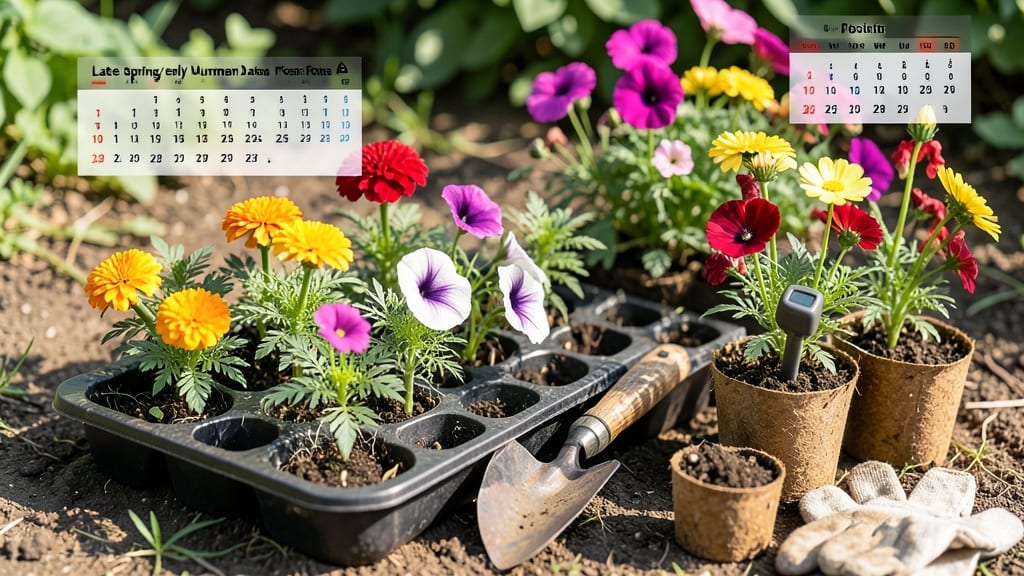
Timing your annuals planting in Zone 5 can make or break your garden's success—get it wrong, and you're staring at frost-nipped seedlings or missed blooms. The key is understanding how Zone 5's unpredictable spring and fall affect your 🌸 choices, from hardy pansies to heat-loving zinnias.
Most gardeners wait until after the last frost (typically mid-May), but some cold-tolerant annuals can handle early spring plantings if you play your cards right. The trick is balancing soil temperature, frost dates, and variety-specific needs to maximize your growing season.
In this guide, I'll break down exactly when to plant each type of annual—whether you're sowing seeds in March for early blooms or waiting until June for heat-lovers. You'll also discover how to stretch your season with simple frost protection tricks that work in Zone 5's climate.
Ready to transform your garden into a year-round showstopper? Let's dive into the perfect planting schedule tailored just for your region, so you can enjoy vibrant flowers and fresh produce from spring through fall.
Zone 5 planting timeline for annuals by frost dates and variety
In Zone 5, the last frost date typically falls between April 15 and May 15, creating a narrow window for planting heat-loving annuals. Meanwhile, cold-hardy varieties like pansies can handle 28°F temperatures and thrive when planted as early as March.
Understanding these frost-sensitive periods is key to avoiding damaged seedlings or missed blooming seasons.
Your Zone 5 planting schedule should align with two critical phases: early spring for frost-tolerant flowers and late spring for warm-season vegetables. For example, marigolds and zinnias won’t survive until soil warms to 60°F, while snapdragons can handle cooler temps.
Let’s break down the exact week-by-week planting timeline to maximize your garden’s potential.
For cool-season annuals, start seeds indoors 6-8 weeks before your last frost (around February 15) to give them a head start. Transplant these hardy seedlings as soon as soil is workable, usually by mid-March.
This strategy ensures they establish roots before spring heat arrives, preventing bolting or leggy growth.
Warm-season annuals demand patience—planting too early can lead to frost damage or stunted growth. Wait until after May 15 (or when nighttime temps stay above 50°F) to sow seeds or transplant.
For example, tomatoes and peppers won’t thrive until soil reaches 65°F, so don’t rush them into the garden.
Succession planting is another Zone 5 gardener’s secret weapon. After harvesting early crops like lettuce or radishes, replant with fast-growing annuals like bush beans or nasturtiums. This keeps your garden productive from May through September without gaps in color or harvest.
Always check your local microclimate—valleys and low-lying areas may experience frost 2-3 weeks later than hilltops. Use a frost calendar from your county extension office for precise dates, or monitor forecasts for 32°F warnings in early spring.
Finally, mulch heavily (2-3 inches of straw or shredded leaves) to protect young plants from temperature swings. This simple step can buy you 1-2 extra weeks of planting time before summer heat sets in.
By following this Zone 5 planting timeline, you’ll avoid the common pitfalls of frost damage or missed blooms. Whether you’re sowing pansies in March or marigolds in June, timing is everything for a vibrant garden.
5 Cold-hardy annuals that thrive in Zone 5 early plantings
Zone 5’s early springs can be brutal for tender annuals, but these 5 cold-hardy varieties defy frost and bloom beautifully when planted as early as March. Unlike heat-loving zinnias or tomatoes, these plants tolerate temperatures as low as 20°F, making them perfect for extending your season.
I’ve grown them all in my own garden, and they’ve never failed to deliver—even after late frosts.
Start with pansies, the undisputed champions of cold tolerance. They handle 28°F temperatures and even bloom in snow, adding vibrant color to early spring gardens.
My favorite varieties, like ‘Cool Wave’ and ‘Matrix,’ stay compact (6–12 inches tall) and thrive in partial shade, making them ideal for borders or containers. Plant them 4–6 weeks before your last frost for continuous blooms until summer’s heat arrives.
Next, try sweet alyssum, a delicate yet resilient ground cover that tolerates 20°F and spreads effortlessly. Its tiny white, pink, or purple flowers attract pollinators early in the season, and it self-seeds prolifically.
I plant mine in March under row covers for a head start, then remove the covers once soil warms. Alyssum’s mild honey scent also deters pests like aphids, giving you a two-for-one benefit.
Don’t overlook lobelia, a trailing beauty that tolerates 25°F and cascades perfectly from hanging baskets or window boxes. Its tiny blue or white flowers add a pop of color to shady spots, and it thrives in moist, well-draining soil.
I plant mine in April after the last frost risk to avoid soil compaction, which lobelia hates. Pair it with sweet alyssum for a stunning contrast.
For height and drama, snapdragons are a must. These 25°F-tolerant plants produce striking vertical spikes in shades of pink, yellow, and purple. Start seeds indoors in March or sow directly after your last frost date (around mid-May in Zone 5).
Deadhead spent blooms to encourage continuous flowering, and watch them reach 2–3 feet tall by summer.
Finally, calendula (pot marigold) is a dual-purpose powerhouse. Its 28°F tolerance makes it perfect for early plantings, and its bright orange or yellow blooms are edible, adding flavor to salads. Plus, calendula repels pests like aphids and whiteflies, protecting nearby plants.
I sow seeds April–May and let them self-seed for next year’s garden. Harvest petals in the morning for the best flavor and color.
These five annuals prove that Zone 5 gardeners don’t have to wait for summer to enjoy vibrant blooms. By choosing cold-hardy varieties and planting strategically, you can transform your garden into a year-round spectacle, even when frost is still lurking in the forecast. 🌸