
Plants
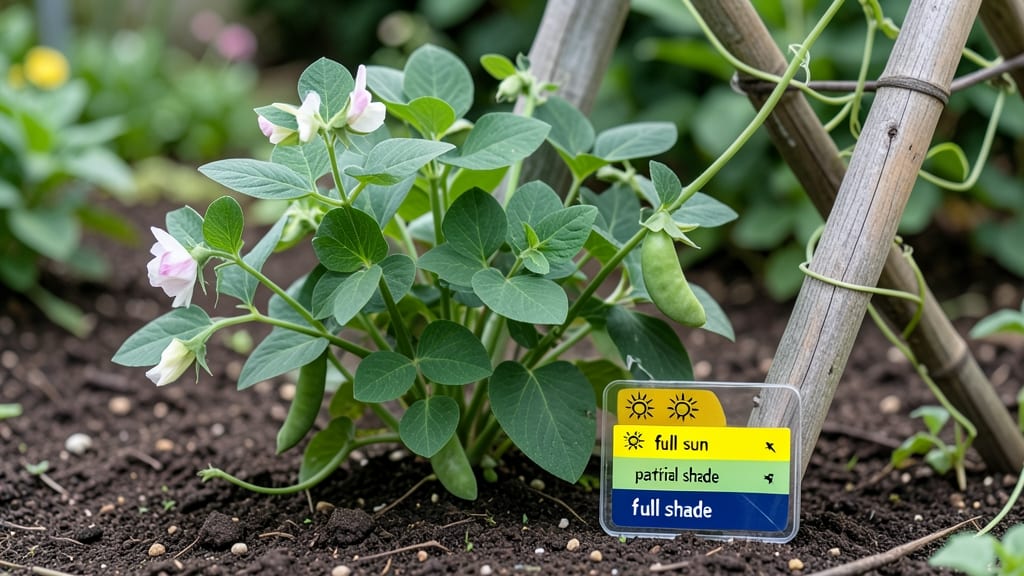
If your peace lily 🌿 needs how much light does a peace plant need to thrive, you might be getting its light balance all wrong—too much sun burns it, while too little leaves it weak and sad.
Peace lilies are famously adaptable, but they still need bright indirect light to flourish. Most homes can provide this with simple adjustments, and I'll show you exactly where to place your plant for the perfect light balance. Let's fix those brown tips and get your peace lily looking lush again.
The good news? You don't need fancy grow lights or sunny windows to keep your peace lily happy. Even low-light conditions can work if you know the right tricks.
I'll walk you through how to spot the signs of light stress and make easy fixes that work for any home setup.
Whether you're dealing with a leggy plant reaching for more light or dark leaves that never seem to brighten, understanding these light principles will transform your peace lily's health. Let's make your plant the envy of every room.

Peace lily light requirements: ideal light levels for healthy growth
The peace lily (Spathiphyllum) thrives in low to medium indirect light, making it one of the most adaptable houseplants for dimly lit homes. Unlike sun-loving plants, peace lilies despise harsh sunlight, which can burn their delicate leaves.
Instead, they prefer bright, filtered light that mimics their native rainforest understory. This balance ensures lush foliage and even blooming, so let’s break down exactly what your peace lily needs to flourish.
Most peace lilies do best with 2-4 hours of indirect light daily.
Think of it as the golden rule: if you can read a book comfortably near the plant, the light level is likely ideal. North-facing windows are perfect because they provide gentle, diffuse light without the intensity of southern or western exposures.
Even east-facing windows work well, especially in the morning when sunlight is softer. Avoid placing your peace lily in spots where leaves touch glass—this can cause uneven heating and stress.
Here’s how to spot if your peace lily is getting the right amount of light—or if it’s struggling:
| Light Condition | Signs in Peace Lily | Solution |
|---|---|---|
| Too Little Light | Leggy stems, sparse leaves, no blooms | Move to brighter indirect light or use grow lights |
| Ideal Light | Dark green leaves, compact growth, occasional blooms | Keep in current spot or rotate for even growth |
| Too Much Light | Brown leaf tips, crispy edges, yellowing | Move to a shadier spot or add a sheer curtain |
If your home lacks natural light, don’t worry—artificial grow lights can save the day! A simple LED grow light placed 12-18 inches above the plant for 6-8 hours daily mimics sunlight perfectly. Look for lights with a cool white or full-spectrum spectrum to support photosynthesis.
This is especially useful in offices or basements where windows are scarce. Just avoid placing the light too close, or the leaves may scorch.
Seasonal changes can also affect your peace lily’s light needs. During winter months, when daylight is shorter, supplement with artificial light or move the plant closer to a window.
In summer, if you notice leaves curling or turning yellow, it might be getting too much direct sunlight—especially if you’ve moved it outdoors. Always introduce it to outdoor conditions gradually to avoid shock.
Pro tip: Rotate your peace lily quarter-turns every 2-3 weeks to ensure even growth. Plants naturally lean toward light sources, so this simple habit keeps your foliage symmetrical and healthy.
Pair this with regular misting (they love humidity!) and you’ll have a peace lily that’s the envy of every plant lover.
Remember, peace lilies are forgiving but not invincible. Monitor their leaves closely—healthy foliage is dark green, glossy, and firm to the touch. If you see any of the warning signs above, act quickly to adjust the light before the plant declines.
With the right balance, your peace lily will reward you with stunning white blooms and thriving growth for years to come.
Now that you know the ideal light conditions, let’s tackle how to adjust your peace lily’s placement for maximum growth in the next section.
How to adjust your peace lily’s light exposure for maximum growth
Adjusting your peace lily’s light exposure is easier than you think—start by rotating it quarter-turns every 2-3 weeks to prevent lopsided growth toward the light source. This simple trick ensures even foliage development and prevents those unsightly leggy stems that signal a stretch for more light.
If your plant shows signs of light stress, like yellowing leaves or brown tips, it’s likely getting too much direct sunlight. Move it 5-6 feet away from the window or use a sheer curtain to diffuse harsh rays.
Peace lilies thrive in bright indirect light, so aim for spots where sunlight filters gently through leaves.
For low-light conditions, supplement natural light with a grow light (LED or fluorescent) placed 12-18 inches above the plant for 6-8 hours daily. This mimics the ideal 2-4 hours of indirect light they crave, especially in dim corners or basements.
Seasonal changes demand adjustments too. During summer months, watch for increased sunlight intensity—move your peace lily slightly farther from windows to avoid scorching. In winter, when natural light dims, consider relocating it to a south-facing window or under a bright desk lamp.
Outdoor placement? Only in shaded patios or porches with dappled sunlight. Direct outdoor sun will quickly damage its delicate leaves, so avoid placing it where it gets more than 2 hours of filtered light per day. A covered balcony with morning sun works perfectly.
Pro tip: Use a light meter app (like Light Meter by Azoo) to check your plant’s current light levels. Aim for 500-1,000 foot-candles of brightness—this range keeps your peace lily thriving without risking burn or stress.
Remember, peace lilies are forgiving plants, but small tweaks in light exposure make a world of difference. Start with these adjustments, and you’ll see your plant’s glossy leaves and white blooms return in no time. 🌿
⚠️ Light Warning Signs
- Brown leaf tips: Too much direct sun or dry air
- Yellowing leaves: Overwatering + low light
- Leggy stems: Stretching for more light
- Drooping leaves: Underwatering + insufficient light
Act fast! These signs mean your peace lily needs an immediate light adjustment.