
Plants
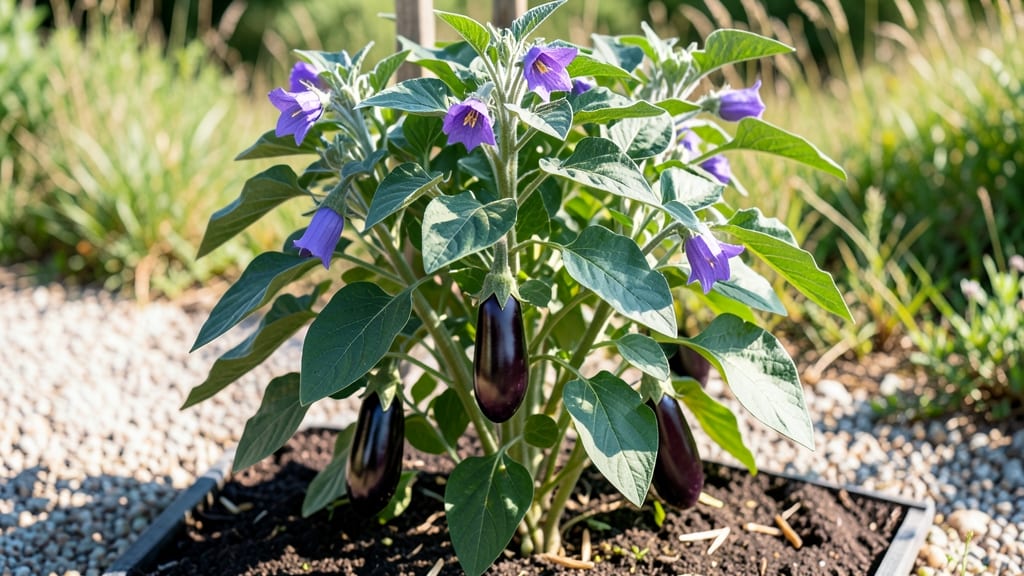
If you're wondering how tall do eggplant plants grow, the answer might surprise you—some varieties reach nearly 4 feet tall, while others stay as short as 1 foot! This dramatic difference means your garden layout could change completely depending on what 🍆 you choose to plant.
For beginners, this variation can feel overwhelming—do you need a sprawling backyard or can you grow eggplants in containers? The truth is, your choice of variety is the first step to planning a space-efficient garden.
Whether you're working with limited square footage or dreaming of a lush vegetable patch, knowing these height differences will help you make the best decisions.
Taller eggplant varieties often produce larger fruit but require more space and support, while compact types are perfect for small gardens or urban balconies.
I’ll break down the key differences so you can pick the perfect fit for your growing conditions—whether that means trellising towering plants or tucking dwarf varieties into tight corners.
Ready to transform your garden? Let’s explore how eggplant height impacts everything from spacing to harvest, so you can grow with confidence—no matter how much (or little) room you have.

Eggplant height by variety: from dwarf to towering giants
Eggplants are one of those fascinating plants that can range from compact bush varieties to towering giants, making them perfect for both small balconies and sprawling vegetable gardens.
The height of your eggplant plants depends entirely on the variety you choose, with some reaching just 1 foot tall while others can stretch up to 4 feet or more. Understanding these differences will help you plan your garden layout and maximize your harvest.
Most gardeners start with standard eggplant varieties, which typically grow between 3 to 4 feet tall. These are the classic types you might find in grocery stores, like Black Beauty or Ichiban.
They produce large, glossy fruits and thrive in warm climates, but they do need plenty of space to spread out. If you're working with limited garden space, you’ll want to explore dwarf or compact varieties, which stay under 2 feet tall and are ideal for containers or small plots.
For those with extra room or who want to experiment, giant eggplant varieties exist too! Some heirloom or specialty types can grow even taller, sometimes exceeding 4 feet.
These varieties often produce larger fruits but may require staking or trellising to support their height. The key is matching the variety to your growing conditions and available space.
Here’s a quick breakdown of how eggplant heights vary by type, along with their ideal spacing to ensure healthy growth and easy harvesting:
| Variety Type | Height Range | Spacing Needs | Best For |
|---|---|---|---|
| Dwarf Varieties | 1–2 ft | 12–18 inches apart | Containers, small spaces, balconies |
| Semi-Dwarf Varieties | 2–3 ft | 18–24 inches apart | Small gardens, raised beds |
| Standard Varieties | 3–4 ft | 24–36 inches apart | Large gardens, in-ground planting |
| Giant/Heirloom Varieties | 4+ ft | 36+ inches apart (or trellised) | Sprawling gardens, trellis setups |
When selecting eggplant varieties, consider not just height but also fruit size and yield. For example, dwarf varieties like 'Fairy Tale' or 'Patio Baby' produce small fruits but are perfect for container gardening.
Meanwhile, standard varieties like 'Black Beauty' or 'Rosa Bianca' offer larger fruits but need more space. If you’re growing eggplants in containers, opt for dwarf or semi-dwarf types to avoid overcrowding and ensure proper airflow.
Another factor to keep in mind is pruning habits. Some eggplant varieties, especially taller ones, benefit from light pruning to encourage bushier growth and larger fruits. By pinching back the tips of the plant, you can redirect energy toward fruit production rather than excessive height.
This is particularly useful for standard and giant varieties, which can become top-heavy without support.
If you're new to growing eggplants, starting with a semi-dwarf variety is often the best choice. These plants strike a balance between manageable height and productive yields.
For instance, 'Hansel' and 'Gretel' are popular semi-dwarf varieties that grow about 2 to 3 feet tall and are well-suited for both in-ground planting and large containers. They’re also less prone to pest and disease issues compared to their taller counterparts.
One common mistake gardeners make is underestimating the space eggplants need as they mature. Even dwarf varieties can spread wider than their height suggests, so always follow the spacing recommendations on seed packets or plant tags.
Overcrowding leads to poor airflow, which increases the risk of fungal diseases like powdery mildew or blight. Proper spacing also makes it easier to harvest fruits without damaging the plant.
For those with limited space, vertical gardening is a game-changer. Tall eggplant varieties can be trained to grow up a trellis or cage, saving valuable ground space. This method also makes harvesting easier, as fruits hang downward where they’re more accessible.
Just be sure to use a sturdy trellis, as eggplants can get heavy once they start producing fruit.
In summary, the height of your eggplant plants is entirely in your hands—choose the right variety for your space, provide adequate support if needed, and give them plenty of room to thrive.
Whether you're growing tiny patio eggplants or towering giants, understanding these height differences will help you create a productive and beautiful garden layout.
Eggplant height by variety: from dwarf to towering giants
Understanding how tall eggplant plants grow starts with variety selection, as heights can range from 1 foot to nearly 4 feet. This diversity means you can grow eggplants in everything from 5-gallon containers to sprawling backyard plots, depending on your needs.
For example, dwarf varieties like 'Fairy Tale' stay under 2 feet, while standard types like 'Black Beauty' reach 3-4 feet.
Taller varieties often produce larger fruit but require more space and support, while compact types thrive in small gardens or urban settings.
The key is matching your growing conditions to the plant's natural height—whether that means choosing a bushy dwarf for a balcony or a tall trellised variety for a vertical garden. Let’s break down the height ranges and spacing needs for each type.
| Variety Type | Height Range | Spacing Needs | Best For |
|---|---|---|---|
| Dwarf Varieties | 1-2 ft | 12-18 inches apart | Containers, balconies, small gardens |
| Semi-Dwarf Varieties | 2-3 ft | 18-24 inches apart | Small plots, raised beds, patio gardens |
| Standard Varieties | 3-4 ft | 24-36 inches apart | Backyard gardens, trellises, larger plots |
| Giant Varieties | 4+ ft | 36+ inches apart | Sprawling gardens, trellis systems |
For dwarf varieties, like 'Patio Baby' or 'Fairy Tale', the compact size makes them ideal for container gardening or urban settings. These plants rarely exceed 2 feet, making them perfect for windowsills or small balconies.
Meanwhile, standard varieties like 'Black Beauty' or 'Ichiban' can reach heights of 3-4 feet, requiring more space and often needing staking or pruning to manage their spread.
If you're growing giant varieties, such as 'Dusky' or 'Rosa Bianca', expect plants to tower over 4 feet. These are best suited for larger gardens or when using vertical trellises to save space.
The key is to plan your garden layout around these height differences—taller plants need more room for airflow and sunlight, while dwarf types can be planted closer together.
Pro tip: Always check the seed packet or plant tag for specific height ranges, as some varieties can vary slightly. For example, 'Rosa Bianca' might reach 4 feet in ideal conditions but could stay shorter in cooler climates. Adjust your spacing accordingly to ensure healthy growth and maximum yield.
Once you’ve chosen your variety, the next step is understanding how height impacts your garden’s overall design. Whether you’re trellising towering plants or tucking dwarf varieties into tight corners, proper spacing and support are critical for a thriving harvest. 🌱