
Plants
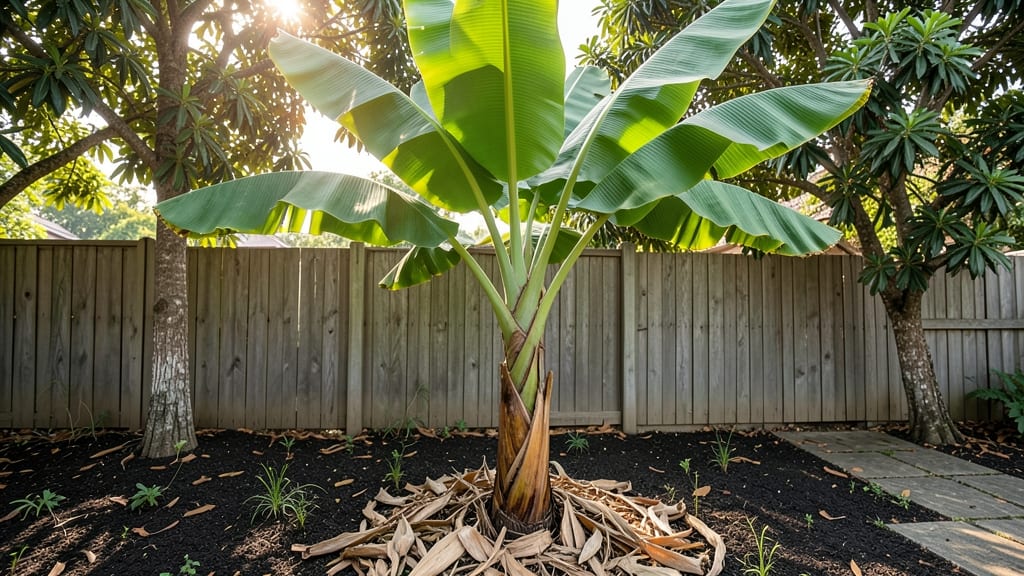
If you’ve ever wondered how tall does a banana plant grow, you’re not alone—this tropical giant can reach heights that rival a two-story house! 🍌 Whether you’re dreaming of a lush backyard oasis or planning a container garden, knowing your banana’s growth potential is key to success.
Most banana plants (Musa spp.) mature between 15 to 25 feet, but dwarf varieties like Lady Finger stay under 10 feet, making them perfect for smaller spaces.
The height depends on the species, climate, and care—so choosing the right variety for your zone (like 10-12 or protected 9b) makes all the difference.
In this guide, I’ll break down how tall different banana plants grow, what affects their height, and how to manage them—whether you’re staking a giant or pruning a dwarf. Ready to grow your own tropical tower?
Let’s dive into the specifics so you can pick the perfect banana for your garden or patio!

Banana plant height by variety: dwarf to giant species compared
Banana plants (Musa spp.) are legendary for their dramatic height, but the truth is their mature size varies wildly depending on the variety.
If you’re planning your tropical garden, knowing these differences is key to choosing the right plant for your space. Dwarf varieties stay compact enough for containers, while commercial types can dwarf your two-story house—literally!
Let’s break down the height ranges so you can pick the perfect fit for your growing conditions.
Most home gardeners start with dwarf banana varieties, which top out at 5–10 feet tall. These are ideal for patios, balconies, or small yards where space is limited. Lady Finger bananas and Red Dwarf are popular choices, offering sweet fruit without the commitment of a towering giant.
Even in their first year, these varieties can reach 3–5 feet, making them a quick reward for gardeners eager to see results.
For those with more room—or a love for dramatic foliage—standard banana varieties like Cavendish or Grand Nain grow 12–18 feet tall. These are the workhorses of commercial banana production and thrive in warmer climates where they can reach their full height.
In cooler zones (like USDA Zone 9b), they may grow more slowly but still hit 10–12 feet with proper care.
At the extreme end of the spectrum, giant banana varieties like Musa acuminata or Musa balbisiana hybrids can soar to 20–25 feet or more. These are best suited for large tropical gardens, farms, or even as striking focal points in landscaped areas.
Their massive pseudostems (the "trunk," which is actually tightly packed leaves) require sturdy staking and plenty of space to avoid toppling in wind or storms.
| Variety | Mature Height | Growth Speed | Best For |
|---|---|---|---|
| Lady Finger | 5–8 ft | Moderate (3–5 ft/year) | Containers, small yards |
| Red Dwarf | 6–10 ft | Fast (4–6 ft/year) | Patios, urban gardens |
| Cavendish | 12–18 ft | Very fast (6–8 ft/year) | Large gardens, farms |
| Musa acuminata (Giant) | 20–25+ ft | Extremely fast (8–10 ft/year) | Tropical climates, landscapes |
Height isn’t just about aesthetics—it directly impacts how you care for your banana plant. Taller varieties need stronger staking to prevent them from toppling, especially in windy conditions. They also require more nutrients and water to support their massive pseudostems, which can weigh hundreds of pounds when mature.
On the flip side, dwarf varieties are perfect for container growing, making them a great option for renters or gardeners with limited outdoor space.
If you’re growing bananas for fruit production, taller varieties like Cavendish yield more bananas per plant, but they take longer to mature—often 9–12 months before fruiting. Dwarf varieties may fruit faster (as early as 6–8 months), but their smaller size means fewer bananas per bunch.
For ornamental purposes, height adds drama to your garden, but even dwarf varieties offer stunning foliage and tropical vibes.
One common misconception is that banana plants are trees. In reality, their "trunk" is a pseudostem made of tightly wrapped leaves and pith. This structure is why they grow so quickly—new leaves emerge from the center, pushing the old ones outward as the plant gains height.
Understanding this growth habit helps you predict how much space your banana plant will need over time.
For gardeners in cooler climates (Zones 9b and below), height can be a double-edged sword. While dwarf varieties may survive winter with protection, taller varieties often die back to the ground.
However, banana plants are perennial in warm climates and can regrow from the rhizome if the roots stay alive. This makes them a long-term investment for tropical and subtropical zones.
Before you plant, measure your space and consider how much height you’re willing to manage. A 10-foot-tall banana plant in a small yard can become a nuisance, while a 25-foot giant in a large garden becomes a breathtaking centerpiece.
Choose wisely, and you’ll enjoy lush foliage, exotic fruit, and a tropical escape—without the headache of an unruly giant.
Factors that influence banana plant height: climate, soil, and care tips
Banana plant height isn’t just about genetics—your climate, soil quality, and care routine play huge roles in whether your plant reaches its full potential or stays stunted. In USDA Zones 10-12, banana plants thrive year-round, but even there, temperature swings or poor drainage can limit growth.
For example, a Cavendish banana in Florida may hit 20 feet, while the same plant in Zone 9b might struggle to exceed 12 feet without winter protection.
Sunlight is another critical factor. Banana plants need 6+ hours of direct sun daily, but too much scorching afternoon heat in Zone 11+ can stress leaves, slowing height growth.
In contrast, partial shade (like morning sun + afternoon filter) helps dwarf varieties like Red Dwarf mature faster by reducing leaf burn. If you’re growing in containers, place them near a south-facing window or use a greenhouse to mimic tropical conditions.
🌱 Key Factors Affecting Banana Plant Height
- Climate: Zones 10-12 = full height; Zones 9b or cooler = stunted growth without protection.
- Soil: Well-draining, fertile soil (pH 6.0–7.5) fuels rapid growth; compacted soil = weak stems.
- Water: Consistent moisture (1–2 gallons every 2–3 days) prevents height loss; drought = stunted growth.
- Fertilizer: Balanced NPK (10-10-10) every 4–6 weeks boosts height; over-fertilizing = leafy but leggy plants.
- Support: Staking or bamboo poles prevent toppling, letting plants focus energy on upward growth.
Pro Tip: Mulch with straw or pine needles to retain moisture and encourage deeper root systems, which support taller growth.
Soil fertility is non-negotiable for height. Banana plants are heavy feeders, and poor soil leads to weak stems that can’t support their own weight. Amend your soil with compost or aged manure before planting, and top-dress annually with a potassium-rich fertilizer (like 10-10-10) to encourage strong pseudostem development.
I’ve seen Lady Finger bananas in enriched soil hit 8–10 feet in just 12 months, while those in depleted soil barely reach 5 feet.
Watering habits also determine height. Banana plants need deep, consistent watering—skipping sessions or letting soil dry out forces the plant to divert energy to survival rather than growth.
In my Zone 10 garden, I water mine every 2–3 days with 1–2 gallons per plant, and the difference in height compared to neglected neighbors is staggering. Overwatering, though, can cause root rot, which stunts growth just as effectively as drought.
Even with perfect conditions, pests and diseases can sabotage height. Banana aphids, sigatoka leaf spot, or fungal infections weaken the plant, reducing its ability to grow tall. I once lost a 15-foot Cavendish to sigatoka—after just 6 months—because I ignored the black spots on the leaves.
Regularly inspect your plants for yellowing leaves, spots, or chewed edges, and treat early with neem oil or copper fungicide to keep your banana towering.
If you’re growing bananas in containers or small spaces, height control becomes a priority. Prune lower leaves to redirect energy upward, and use stakes or trellises to support the pseudostem. For dwarf varieties, pinch back the flower stalk if you want bushier growth instead of height.
Remember, a 10-foot Red Dwarf in a pot is still a tropical statement piece—you just need to manage its growth habits!