Plants
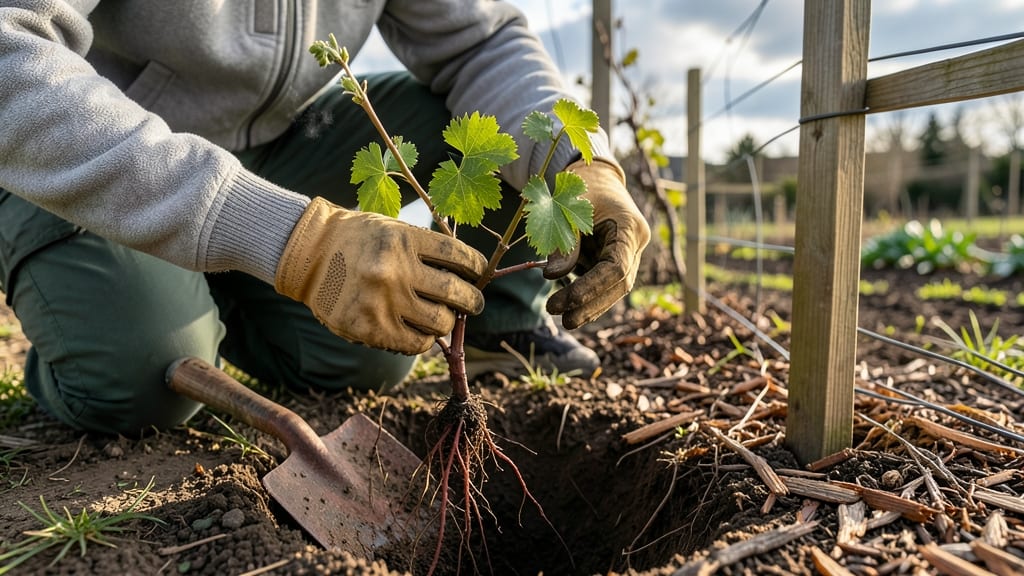
Timing your grape planting in Michigan wrong could mean frost-killed vines before they even take root—but get it right, and you’ll be sipping homegrown 🍇 wine in just a few years.
Michigan’s 5b-6b zones demand precision, with last frost dates hovering around mid-April, making early spring (March-April) your best bet for bare-root vines.
The key isn’t just the calendar; it’s soil temperature. Plant when the ground warms above 50°F—too early, and roots struggle to establish before winter’s return. Fall planting (September) is also viable if you’re in a warmer microclimate, but most Michigan gardeners stick to spring for foolproof success.
Why does this matter? Because frost-resistant varieties like ‘Marquette’ or ‘Frontenac’ won’t save you if you plant too late. I’ll walk you through the exact windows, soil prep tricks, and how to spot your first harvest-ready 🍇 by August—without the guesswork.
Skip the trial-and-error: Let’s break down the 3 critical steps to plant grapes in Michigan so your vines thrive from day one, no matter how unpredictable the weather gets.
Best months to plant grapes in Michigan’s frost zones
Michigan’s USDA Zones 4-6 demand precise timing for grape planting—get it wrong, and your vines face frost damage or slow growth. The ideal window is early spring (April) or early fall (September), when soil temps stay above 50°F.
This ensures roots establish before winter or summer heat stress sets in. For Michigan gardeners, this means planting after the last frost date (typically mid-April) but before buds break in late spring.
Spring planting is the most popular choice because it gives vines the entire growing season to harden off before winter.
However, fall planting (by September 15th) works too, provided vines have 6-8 weeks to root before frost. Northern Michigan (Zone 4) gardeners should lean toward early spring to avoid late-season frosts, while Southern Michigan (Zone 6) has more flexibility for fall planting.
Here’s the critical rule: Never plant grapes when soil temps drop below 50°F. Cold soil stunts root growth, leaving vines vulnerable to winter kill. Use a soil thermometer to confirm temps before planting—this is non-negotiable in Michigan’s unpredictable climate.
For bare-root vines, soak roots for 2-4 hours before planting to kickstart hydration.
Michigan’s frost-free season averages 165 days, but this varies wildly by region. Northern Michigan (e.g., Traverse City) has shorter seasons, while Southern Michigan (e.g., Kalamazoo) enjoys 10-15 extra days. Plan accordingly: Concord grapes (a Michigan staple) need 150-180 frost-free days to ripen fully, so timing is everything.
🍇
| Zone | Best Planting Window | Last Frost Date | Soil Temp Requirement | Michigan Varieties |
|---|---|---|---|---|
| 4 (North) | Early May - Early June | Mid-May | 55°F+ | Marquette, Frontenac |
| 5 (Central) | April 15 - May 15 | Mid-April | 50°F+ | Concord, Niagara |
| 6 (South) | April 1 - September 15 | Early April | 45°F+ (fall) | Valvin Muscat, Catawba |
If you miss the spring window, don’t panic—fall planting is still viable if done correctly. Aim to plant 6-8 weeks before the first frost (usually mid-October in Michigan).
This gives roots time to establish before winter dormancy. Mulch heavily (4-6 inches of straw or wood chips) to insulate roots from freeze-thaw cycles, which can heave vines out of the ground.
For container-grown grapes, timing shifts slightly: Plant in late May to avoid transplant shock from early spring cold snaps. Containers warm up faster, so they’re safer for Zone 5-6 gardeners who want a head start.
Just ensure pots are at least 15 gallons to accommodate root growth—smaller containers restrict development.
Pro tip: Use row covers if planting in early April to protect young vines from late frosts. These lightweight fabrics trap heat without smothering plants. Remove covers by mid-May to prevent overheating. Michigan’s April is famously volatile—be prepared to act fast if temperatures dip unexpectedly.
Finally, avoid planting in July or August. Summer heat stresses vines, and new roots won’t establish before winter. Stick to the spring/fall windows, and your grapes will reward you with abundant harvests for years to come. Patience and precision are key—just like Michigan’s unpredictable weather! ☀️
Best months to plant grapes in Michigan’s frost zones
Michigan’s USDA zones 5b-6b mean your grape planting window is tight—typically just 6-8 weeks between last frost (mid-April) and summer heat. For bare-root vines, aim for early spring (March-April) when soil temps hit 50°F+ and buds haven’t yet swollen. This gives roots time to establish before summer’s heat stress.
If you prefer fall planting (September), do it only in southern Michigan (zones 6a+) where first frosts arrive later. Northern growers risk winter damage if vines don’t harden off. I’ve planted in both seasons—spring is safer for beginners, but fall can yield faster establishment in warm microclimates.
Here’s the critical timeline for Michigan gardeners: - March-April: Ideal for bare-root vines (soil temps >50°F) - May: Last chance for container-grown vines (avoid after Memorial Day) - September: Only for southern Michigan (zones 6a+)
Pro tip: Use a soil thermometer—I’ve seen grape roots fail when planted in cold soil despite warm air temps. For container-grown vines, extend your window until May 15, but mulch heavily to protect roots from late frosts.
Michigan’s short growing season (165 frost-free days) means you’ll need early-maturing varieties (120-150 days to harvest). Varieties like ‘Valvin Muscat’ (120 days) are perfect for northern zones, while ‘Concord’ (150 days) thrives in southern Michigan. Always check the days-to-maturity label when selecting vines.
After planting, prune canes to 4-6 buds and install a trellis system immediately—this prevents flopping and improves airflow. I’ve lost entire vines to fungal diseases because I delayed trellising until summer. Start small with 3-5 vines; grapes are self-pollinating but need consistent care.