
How To
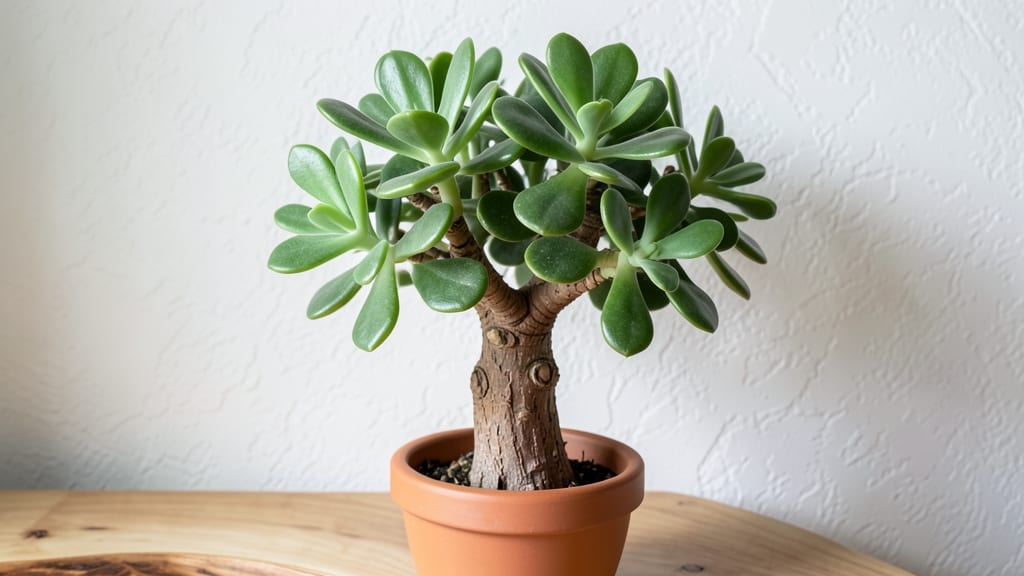
If your jade plant how much light it needs is the secret to keeping it thriving, then the struggle with leggy stems or crispy brown edges is usually a sign you’ve got the balance wrong—and fixing it could mean the difference between a healthy succulent and one on the decline.
Most gardeners assume these hardy plants can handle anything, but the truth is, Jade Plants 🌿 actually prefer 4 to 6 hours of filtered light daily, especially in indoor settings.
Whether you're dealing with a south-facing window or a shadier corner, understanding the balance is key to keeping your plant lush and healthy year-round.
What happens when you get it wrong? Stunted growth, pale leaves, or even sunburned patches are dead giveaways that your Jade Plant isn’t getting the right conditions. The good news?
Adjusting light exposure is simpler than you think—and I’ll walk you through exactly how to spot the signs and fix them before they become permanent problems.
Ready to transform your Jade Plant’s light situation? Let’s break down the ideal light setup, how to adapt for different environments, and the subtle clues that tell you when to move it—so you can enjoy a vibrant, thriving succulent without the guesswork.

Jade plant light requirements: ideal hours and light intensity explained
Jade plants (Crassula ovata) thrive with 4-6 hours of bright, indirect sunlight daily. This succulent stores water in its leaves, so it prefers morning sun exposure to avoid scorching. In nature, they grow in semi-arid climates with dappled sunlight filtering through trees.
For indoor jade plants, a south-facing window provides the best natural light. If your home lacks direct sunlight, grow lights can supplement with 12-14 hours of light daily. Outdoor plants tolerate partial shade but may stretch toward light if deprived.
During summer months, afternoon sun can be intense—rotate your plant every 2-3 weeks to prevent uneven growth. In winter, reduced daylight triggers dormancy, so move plants closer to windows or extend light exposure with grow bulbs.
Jade plants exhibit light deficiency symptoms like pale, yellowing leaves or elongated stems (etiolation). These signs indicate insufficient light and require immediate adjustment to brighter conditions.
Too much direct sunlight causes sunburn, visible as crispy, brown patches on leaves. If this happens, move your plant to a shadier spot or use a sheer curtain to filter harsh rays.
| Light Requirement | Specification |
|---|---|
| Ideal Daily Light | 4-6 hours of bright indirect light |
| Best Window Placement | South-facing, 2-3 feet from glass |
| Indoor Light Alternative | Grow lights (12-14 hours/day) |
| Outdoor Light Tolerance | Partial shade (protect from midday sun) |
| Winter Light Adjustment | Move closer to windows or use grow lights |
For outdoor cultivation, jade plants grow best in USDA Zones 9-11 with morning sun and afternoon shade. In colder climates, bring potted plants indoors before temperatures drop below 50°F to prevent frost damage.
Monitor your jade plant’s leaf color—healthy leaves are vibrant green. If leaves turn reddish or purple, it’s a sign of too much direct sun. Adjust placement to filtered light immediately to prevent permanent damage.
Rotate your plant quarter-turns every 2-3 weeks to ensure even growth. This prevents leggy stems and ensures all sides receive balanced light exposure.
In low-light conditions, supplement with a full-spectrum LED grow light placed 6-12 inches above the plant. Aim for 12-14 hours of light daily to mimic natural daylight cycles.
Remember, jade plants are flexible—they adapt to bright indirect light better than harsh direct sun. With the right balance, your jade plant will reward you with thick, glossy leaves and compact growth.
How to adjust light for jade plants in different environments
Adjusting light for your jade plant depends entirely on where it lives—indoors, outdoors, or in a mixed setting. Since these succulents thrive in bright indirect light, you’ll need to tweak their placement based on your home or garden’s natural light.
Start by observing how sunlight moves through your space during the day, especially in morning vs. afternoon hours.
For indoor jade plants, a south-facing window is ideal because it provides the most consistent light. If your home lacks south-facing windows, a west-facing window can work too, but avoid east-facing spots—morning sun isn’t intense enough.
Rotate your plant every few weeks to ensure even growth and prevent leaning toward the light source.
Cons: May require sheer curtains to diffuse harsh afternoon rays ❌
Cons: Risk of overheating in summer; needs afternoon shade ❌
Cons: Requires 12-14 hours/day of light for optimal growth ❌
Cons: Leads to etiolation (stretching) and pale leaves ❌
Outdoor jade plants need a balance too—too much direct sun can cause leaf scorch, while too little leads to weak, leggy growth. Place your plant in partial shade during peak summer hours (11 AM–3 PM) by positioning it under a tree canopy or on a shaded patio.
In cooler months, you can gradually increase sun exposure to 3-4 hours/day.
If your jade plant starts showing signs of light stress, like crispy edges or bleached patches, move it to a spot with filtered light. For indoor plants, this might mean shifting them a few feet away from the window or adding a sheer curtain.
Outdoor plants may need temporary shade cloth during the hottest part of the day, especially in USDA Zone 9 or higher.
For those with low-light homes, consider supplementing natural light with a LED grow light. Place it 6–12 inches above the plant and set it to a 12-hour photoperiod to mimic natural daylight.
This is especially helpful in winter when daylight hours shrink, and your jade plant’s growth slows down.
Finally, remember that jade plants are adaptable—they can tolerate some adjustments, but sudden changes in light exposure should be gradual. If you’re relocating your plant, do it over the course of a week to help it acclimate.
This reduces stress and prevents shock, keeping those thick, vibrant leaves looking their best.