
Flowers
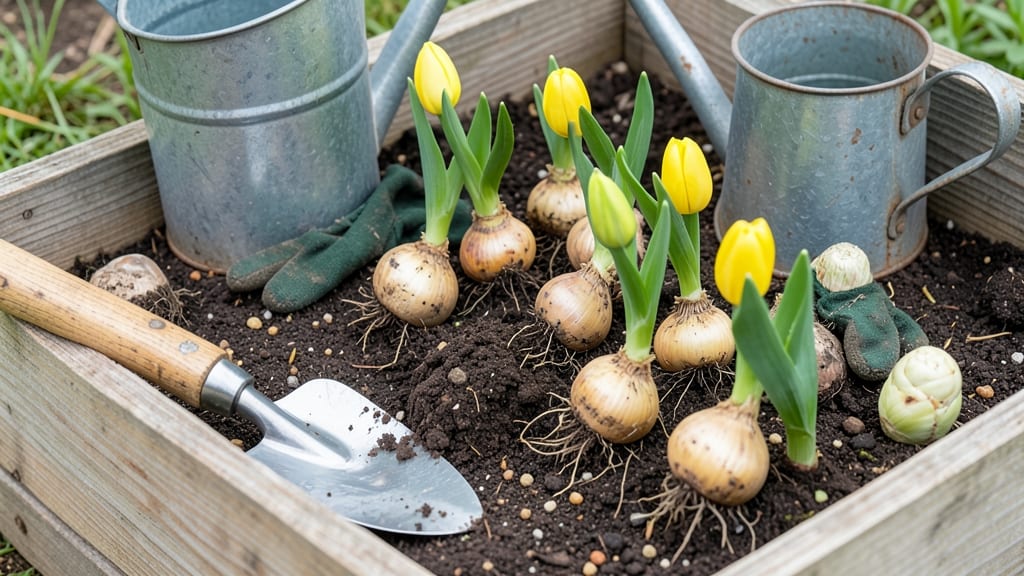
Timing your spring flower bulb planting can make the difference between a garden bursting with 🌷 color and one that fizzles before it starts. Too early, and your bulbs might rot in cold soil; too late, and you’ll miss the chance to enjoy those cheerful blooms by summer.
But here’s the good news: with the right schedule, you can transform even a modest yard into a seasonal showstopper.
The key is understanding your USDA zone—where I live in Zone 6a, for example, the ideal window opens just 4-6 weeks before the last frost, usually around mid-April. That timing ensures bulbs get rooted before warm weather arrives, setting them up for a strong start.
Whether you’re planting tulips, daffodils, or hyacinths, the right moment depends on soil temperature and local climate quirks.
Don’t worry if your spring is unpredictable—we’ll break down how to adjust for late frosts or early heatwaves. You’ll learn how to prep your soil, plant at the perfect depth, and even troubleshoot common mistakes that derail spring blooms.
By the end, you’ll have a foolproof plan to turn your garden into a year-round parade of color with minimal effort.
Ready to get started? Let’s dive into the exact months and tips you need to make your flower bulbs thrive, no matter where you live. Your future blooms will thank you!
Best spring planting months for flower bulbs by USDA hardiness Zone
Spring bulb planting isn’t a one-size-fits-all task—your USDA hardiness zone dictates the perfect window. In colder zones (3-5), aim for late March to early April when soil warms to 50°F (10°C).
Warmer zones (7-10) can plant as early as January to February, but avoid soggy soil. The key? Plant 4-6 weeks before your last frost date to let roots establish before blooming.
For example, in Zone 6a (like my garden in upstate New York), I plant tulips and daffodils in late March to early April. In Zone 9b (Southern California), I start crocus and hyacinths in January.
Always check your local frost dates—planting too early risks rot, while waiting too long means missed blooms.
🌱
| Zone | Ideal Planting Window | Soil Temp | Bulb Examples |
|---|---|---|---|
| 3-4 | Late April - Early May | 50-55°F (10-13°C) | Tulips, Daffodils, Alliums |
| 5-6 | Late March - Early April | 45-50°F (7-10°C) | Hyacinths, Crocus, Fritillaria |
| 7-8 | January - February | 55-60°F (13-16°C) | Rain Lilies, Snowdrops, Mini Daffodils |
| 9-10 | December - January | 60-65°F (16-18°C) | Cyclamen, Iris, Nerine |
🌷 Pro Tip: Use a soil thermometer to confirm temps before planting!
Regional microclimates matter too. In the Pacific Northwest, cooler springs delay planting until May, while the Deep South can start in December. Check local frost forecasts—plant when nights stay above 32°F (0°C) consistently.
For example, my neighbor in Zone 8b plants crocus in January, but I wait until February in Zone 6a to avoid late frosts.
Don’t forget bulb types—tulips and daffodils thrive in cooler springs, while rain lilies and daylilies prefer warmer zones. Always plant pointy end up and 3x as deep as the bulb’s height. For instance, 6-inch-deep planting works for 2-inch-tall tulip bulbs.
Soil prep is critical. Amend heavy clay with compost to improve drainage, and avoid fresh manure—it burns roots. I mix in bone meal (5-10-10 NPK) for phosphorus to encourage strong blooms. After planting, mulch with 2-3 inches of straw to retain moisture and regulate soil temps.
🌿
Watch for shoots emerging—this signals successful planting. If you miss the spring window, don’t panic! Many bulbs (like daffodils) can handle fall planting too.
Just adjust depth and timing. For now, mark your calendar: spring planting = 4-6 weeks before last frost, with soil at 50°F (10°C) or warmer.
In my garden, I’ve learned that early spring planting rewards me with earlier blooms, but patience pays off too. Whether you’re in Zone 3 or Zone 10, the right timing turns your garden into a year-round color show.
Best spring planting months for flower bulbs by USDA hardiness Zone
Your USDA hardiness zone is the secret weapon for timing spring bulb planting. In Zones 3-5, where winters are harsh, aim to plant 4-6 weeks before your last frost date—typically late March to early April.
Meanwhile, gardeners in Zones 6-10 can wait until mid-April to early May, as milder winters allow later starts.
But here’s the catch: soil temperature matters more than air temperature. Bulbs need soil that’s at least 50°F (10°C) to root properly.
In the Pacific Northwest, for example, you might plant in March when soil warms, while in the Deep South (Zones 8-10), wait until April or May to avoid summer heat stress.
🌱
For tulips and daffodils, which are cold-hardy, you can plant as soon as the ground is workable. But hyacinths and crocuses prefer slightly warmer soil, so hold off until late April in cooler zones.
Pro tip: Use a soil thermometer to check temperatures—it’s the most accurate way to avoid planting too early.
If you’re in a transition zone (like Zone 7b), split your planting into two batches: plant 50% of your bulbs in early April and the rest in mid-April. This hedge-your-bets approach ensures some blooms even if frost lingers.
Remember, late springs call for patience. If frost threatens after planting, cover bulbs with straw or row fabric until danger passes. With this zone-based guide, your flower bulbs will thrive no matter where you garden. 🌷