
Watering
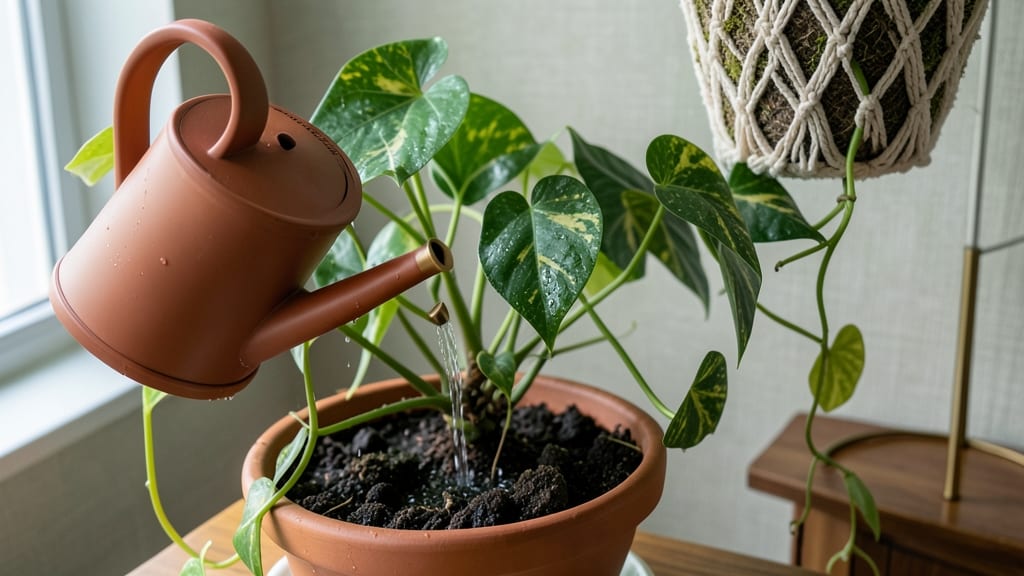
Figuring out how much water a pothos plant needs is easier than you think—and getting it wrong could mean the difference between lush, trailing vines and sad, crispy leaves.
This resilient houseplant is famous for being low-maintenance, but even the hardiest pothos 🌿 won’t thrive if you drown it or leave it bone-dry.
Most gardeners overthink watering schedules, but the truth is simpler than you’d expect. With just a few key adjustments based on your home’s humidity and pot size, you’ll master the perfect balance.
No more guessing whether your pothos is thirsty or drowning—just science-backed tips to keep those vibrant leaves happy year-round.
What if I told you the secret to happy pothos growth isn’t complicated? It’s about understanding when the soil is truly dry and recognizing the subtle signs your plant is begging for water—or screaming for help. Let’s break down the exact schedule, plus how to spot trouble before it starts.
Whether you’re a beginner or a seasoned plant parent, these insights will transform your pothos care routine. Say goodbye to root rot and hello to thriving vines that’ll make your space feel alive. Ready to learn the foolproof method?

Pothos watering schedule: how often to water based on plant & environment
Your pothos plant thrives on a "dry-out" watering schedule, meaning it prefers to dry completely between waterings. Unlike thirsty tropicals, pothos stores moisture efficiently, so overwatering is the #1 killer. The key? Check the soil—not the calendar.
Stick your finger 1-2 inches deep—if it feels dry, it's time to water. If damp, wait another 3-5 days. This simple test prevents root rot while keeping leaves lush.
Most pothos varieties (Golden, Marble Queen, Jade) follow similar watering needs, but smaller pots dry faster than large containers. A 6-inch pot may need water every 7-10 days, while a 12-inch pot can stretch to 14-21 days.
The rule? Bigger pot = less frequent watering. Always use a pot with drainage holes—no exceptions. Without them, excess water pools at the roots, causing yellow leaves and mushy stems.
Seasonal changes drastically alter your pothos watering schedule. In summer heat, I water mine every 7-10 days because evaporation speeds up. But in winter dormancy, I stretch it to 14-21 days since growth slows.
Even indoor heating dries out soil faster—keep an eye on your humidity levels. If your home feels dry (like 30% humidity or lower), water slightly more often to compensate.
Your pothos soil type matters just as much as frequency. I use a well-draining mix of 50% potting soil, 30% perlite, and 20% orchid bark to prevent compaction. This blend drains excess water while retaining enough moisture for roots.
Avoid heavy garden soil—it stays soggy and suffocates roots. Pro tip: Add a layer of pebbles at the pot’s bottom to improve drainage and prevent clogging.
| Condition | Watering Frequency | Signs of Issue |
|---|---|---|
| Small Pot (6") | Every 7-10 days | Dry soil cracks; wilting leaves |
| Large Pot (12"+) | Every 14-21 days | Mushy stems; yellowing leaves |
| Summer Heat | Every 7-10 days | Crispy leaf edges; soil dries fast |
| Winter Dormancy | Every 14-21 days | Slow growth; drooping leaves |
| Low Humidity (<30%) | Every 5-7 days | Brown leaf tips; dry air stress |
Never water your pothos on a strict schedule. Instead, use the "finger test" every 5-7 days: Insert your index finger 1-2 inches deep into the soil. If it feels dry at the second knuckle, water thoroughly until it drains from the pot’s bottom.
If it’s still damp, wait 2-3 more days. This method mimics the plant’s natural drought tolerance and prevents overwatering, which causes root rot in just 3-5 days.
Watch your pothos leaves for subtle clues about water needs. Yellowing leaves usually mean overwatering, while brown, crispy edges signal underwatering. Drooping leaves can go both ways—check the soil first! If the top inch is dry but roots feel soggy, you’ve overdone it.
If the soil is bone-dry, water deeply and mist the leaves to revive turgor. Pro tip: Place your pothos near a humidifier in winter to reduce stress from dry indoor air.
Light levels indirectly affect watering needs. My pothos in low light (e.g., north-facing window) needs water 10-14 days apart because growth slows. But the same plant in bright indirect light (e.g., east or west window) may need water every 7-10 days due to faster evaporation.
Rotate your plant occasionally to ensure even growth, and adjust watering based on leaf color: Dull green = needs more light; Deep green = ideal conditions.
Misting your pothos leaves isn’t necessary but can help in dry climates or when humidity drops below 40%. I mist mine 2-3 times weekly in winter to mimic tropical conditions. Avoid misting in low-light areas, though—excess moisture on leaves can cause fungal spots.
For extra humidity, place the pot on a pebble tray filled with water (ensure the pot sits above the waterline). This passive method increases local humidity without overwatering.
Remember: Pothos is forgiving
Pothos watering schedule: how often to water based on plant & environment
Your pothos plant thrives on a simple rule: water when the top 1-2 inches of soil feel dry to the touch. This isn't just guesswork—it's the key to avoiding both root rot and crispy leaves.
Most people water too frequently, thinking their pothos needs constant moisture, but this tropical vine actually prefers to dry out slightly between drinks.
Think about your pothos like a desert cactus—it stores water in its thick stems and can handle brief dry spells. The real secret lies in adjusting your schedule based on your home's humidity levels and the size of your pot.
A small, airy pot will dry out faster than a large ceramic one, while dry air from a heater or AC will demand more frequent watering.
Here’s the golden rule: Check soil moisture before watering. Stick your finger about an inch deep—if it feels damp, wait another day. If it’s bone-dry, it’s time to water. This method works for Golden Pothos, Marble Queen, and all varieties.
| Season | Watering Frequency | Soil Check Depth | Signs of Overwatering |
|---|---|---|---|
| Spring | Every 10-14 days | 1-2 inches | Yellow leaves, mushy stems |
| Summer | Every 7-10 days | 1 inch | Drooping leaves, brown tips |
| Fall | Every 10-14 days | 1-2 inches | Slow growth, wilting |
| Winter | Every 14-21 days | 2 inches | Dry, crispy leaf edges |
Pay close attention to your pothos’ leaves—they’re the best indicators of its needs. Dark, vibrant green leaves mean your watering routine is spot-on. But if you notice yellowing leaves or brown tips, it’s time to adjust.
Yellow leaves often signal overwatering, while crispy edges point to underwatering or low humidity.
Pro tip: Group your pothos with other plants to increase humidity around it. The extra moisture mimics its natural tropical environment and reduces the need for frequent watering. A simple pebble tray with water beneath the pot can also work wonders for maintaining consistent moisture levels.
Remember, pothos plants are forgiving—they bounce back from occasional watering mistakes. But consistency is key. Stick to this schedule, and you’ll enjoy lush, trailing vines that thrive year-round without the guesswork.