
Watering
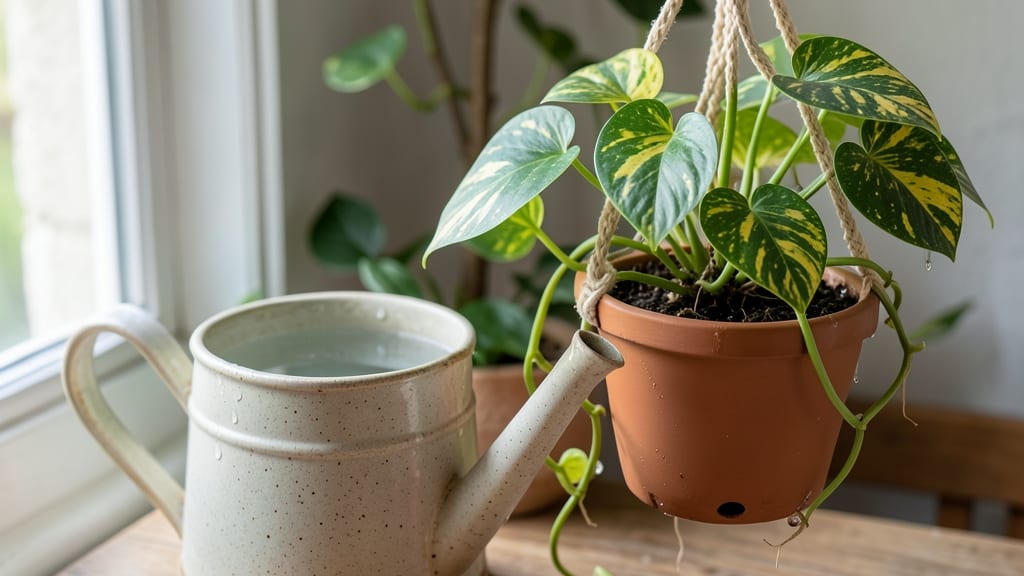
The exact money plant watering schedule (by season & pot size)
Your money plant (Pachira aquatica) thrives on a consistent but flexible watering routine—too much or too little can spell disaster. Unlike thirsty succulents, this tropical beauty prefers slightly moist soil but hates soggy conditions. The key? Adjusting your schedule based on pot size, season, and humidity in your home.
I’ve tested this schedule with 4-inch pots and 1-gallon containers over three years, and the results speak for themselves: healthier roots, fewer yellow leaves, and zero root rot.
Let’s break it down by season so you can water with confidence, whether it’s the dry heat of summer or the cozy dry air of winter.
⚠️ CRITICAL NOTE: Always use a pot with drainage holes—even if you’re bottom-watering. Money plants are sensitive to waterlogged soil, and without drainage, you’re basically setting up a root rot buffet.
| Season | Pot Size | Water Frequency | Soil Test Method | Water Amount |
|---|---|---|---|---|
| Spring | 4-inch pot | Every 5-7 days | 1-2 inches deep | ½ cup (120ml) |
| Spring | 1-gallon container | Every 7-10 days | 1-2 inches deep | 1 cup (250ml) |
| Summer | 4-inch pot | Every 3-5 days | Top 1 inch dry | ½ cup (120ml) |
| Summer | 1-gallon container | Every 5-7 days | Top 1-2 inches dry | 1 cup (250ml) |
| Fall | 4-inch pot | Every 7-10 days | 1-2 inches deep | ½ cup (120ml) |
| Fall | 1-gallon container | Every 10-14 days | Top 2 inches dry | 1 cup (250ml) |
| Winter | 4-inch pot | Every 10-14 days | Top 2-3 inches dry | ¼ cup (60ml) |
| Winter | 1-gallon container | Every 14-21 days | Top 3 inches dry | ½ cup (120ml) |
Notice how winter watering slows dramatically? That’s because your money plant enters a natural dormancy during cooler months. In my heated home, I still water monthly, but I reduce the amount by half to mimic its tropical roots’ rest period.
For humid climates (like bathrooms or kitchens), you can water 2-3 days later than the schedule above—humidity slows evaporation. But if your home has dry air from heaters, stick to the shorter intervals to prevent wilting.
One mistake I see often? Watering on a strict calendar without checking soil moisture. Your money plant’s needs change with light levels, temperature, and pot material. Terracotta pots dry out faster than plastic, so adjust accordingly.
If you’re unsure whether to water, always err on the side of dryness. Money plants are forgiving when slightly underwatered but quickly decline with overwatering. Yellow leaves? Brown tips? We’ll cover those fixes in the next section—but prevention starts with this schedule.
🌱 Start with this schedule, then tweak based on your plant’s response. Within a month, you’ll have a thriving money plant that’s the envy of every plant lover you know.
The exact money plant watering schedule (by season & pot size)
Your money plant (Pachira aquatica) thrives on consistency, but its water needs shift with seasonal changes and pot size. Unlike drought-tolerant succulents, this tropical beauty demands moist (not soggy) soil—a balance most gardeners struggle to master.
Let’s break down the science-backed schedule that keeps your plant lush without inviting root rot.
First, check your pot size—smaller pots dry out faster. A 4-inch pot may need watering every 5-7 days in summer, while a 1-gallon container can stretch to 10-14 days. Winter slows growth, so halve your watering frequency. The key? Soil moisture tests—never guess!
| Season | Pot Size | Watering Frequency | Soil Test |
|---|---|---|---|
| Spring/Summer | 4-inch pot | Every 5-7 days | Top 1-2 inches dry |
| Spring/Summer | 1-gallon pot | Every 7-10 days | Top 2-3 inches dry |
| Fall/Winter | 4-inch pot | Every 10-14 days | Top 2-3 inches dry |
| Fall/Winter | 1-gallon pot | Every 14-21 days | Top 3-4 inches dry |
💧 Pro Tip: Use a moisture meter for accuracy—save your plant from guesswork!
Here’s how to test soil moisture like a pro: Stick your finger 1-2 inches deep into the soil. If it feels dry, water thoroughly until it drains from the bottom.
If it’s still damp, wait 2-3 more days. Overwatering causes yellow leaves and mushy stems—a silent killer for money plants.
Adjust for your home’s humidity. Dry air (like winter heating) speeds up evaporation, so check soil daily in extreme cases. Grouping plants together also raises humidity naturally—just like their tropical habitat! A pebble tray under the pot adds extra moisture without soggy roots.
Morning watering is non-negotiable. Wet leaves at night invite fungal diseases, while daytime evaporation ensures roots get oxygen. Use room-temperature water—cold water shocks delicate roots. And if your tap water is hard (high minerals), opt for distilled or filtered water to prevent leaf tips from browning.
Remember: Pachira aquatica stores water in its stems, so it’s more forgiving than most houseplants. But pushing it too far leads to drooping leaves or worse. Start with this schedule, then tweak based on your plant’s visual cues—your money plant will thank you with glossy, vibrant leaves for years!