
How To
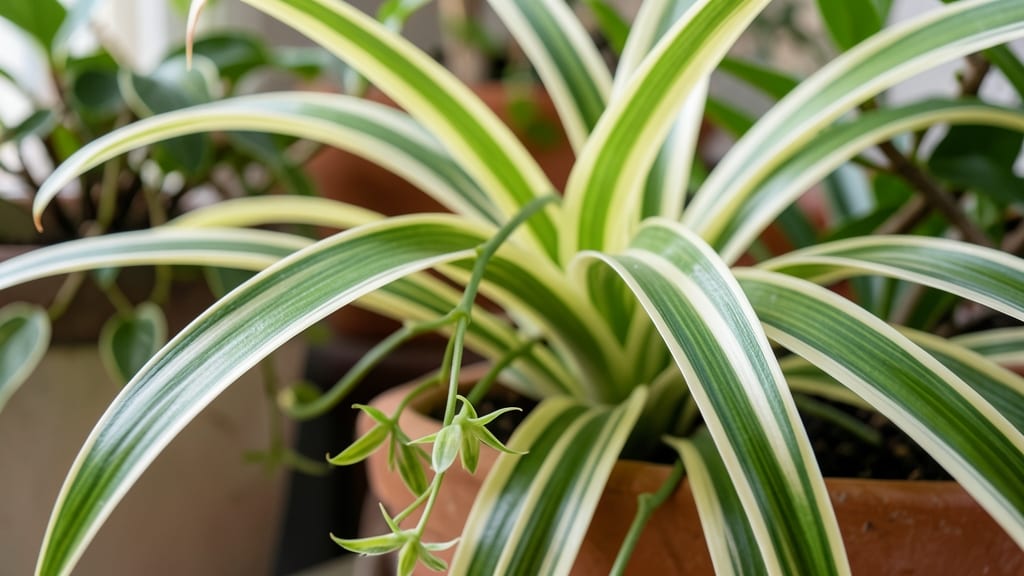
If your 🕷️ Spider Plant is losing its vibrant stripes or growing leggy, the answer is likely hiding in plain sight—how much light this hardy houseplant needs.
This plant thrives in conditions most people overcomplicate, yet getting the balance just right can make all the difference between a lush, variegated beauty and a sad, struggling leaf.
The key to happy Spider Plant growth lies in bright indirect light, which mimics its natural understory habitat. Too much direct sun? Watch for crispy brown edges. Too little light?
Those iconic stripes will fade into dull green. I’ll show you exactly how to spot the signs and adjust your plant’s environment in 3 simple steps—no guesswork required.
Whether you’re working with a north-facing apartment or a sun-drenched kitchen, I’ll break down the best window spots, artificial light alternatives, and seasonal adjustments to keep your plant thriving year-round. Let’s fix that light puzzle once and for all.
By the end, you’ll know not just how much light your Spider Plant needs, but where to place it for maximum growth—without sacrificing those gorgeous variegated leaves. Ready to transform your plant care routine?

Spider plant light requirements: ideal hours and intensity for healthy growth
Your spider plant (Chlorophytum comosum) thrives on bright indirect light, but finding the perfect balance can feel tricky. Too little light makes leaves pale and leggy, while harsh sunlight burns the delicate variegated stripes.
Let’s break down the exact light needs your plant craves for vibrant, healthy growth.
Most spider plants need 4-6 hours of bright indirect light daily. Think of it like a cozy reading nook—your plant wants sunlight that’s gentle but abundant, not harsh like midday sun. East-facing windows are ideal, offering morning light without afternoon intensity.
If you’re using a west-facing window, place your plant 3-4 feet back to avoid scorching.
New spider plants are more sensitive to light than mature ones. Seedlings and young plants need 3-4 hours of filtered light to avoid stress. Gradually increase exposure over 2-3 weeks to harden them off.
Mature plants can handle up to 6 hours of indirect light, but even they’ll thank you for avoiding direct sun.
Use the 'shadow test' to gauge your space: If you can read a book comfortably under the light your plant receives, it’s likely bright indirect.
If the area feels dim, supplement with a grow light for 6-8 hours daily. Your plant’s leaf variegation is a great indicator—vibrant stripes mean it’s happy!
| Plant Stage | Light Type | Daily Hours | Best Window |
|---|---|---|---|
| Seedlings | Bright Indirect | 3-4 hours | North or East |
| Young Plants | Bright Indirect | 4-5 hours | East or West |
| Mature Plants | Bright Indirect | 4-6 hours | East, West, or filtered South |
| Low-Light Tolerance | Low to Medium | 2-3 hours (growth slows) | North or interior rooms |
If your home lacks natural light, artificial grow lights can save the day. Place a fluorescent or LED grow bulb 6-12 inches above your plant for 12-14 hours daily.
These lights mimic sunlight without the heat, making them perfect for low-light offices or basements. Rotate your plant quarter-turns weekly to prevent lopsided growth.
Seasonal changes can throw off your spider plant’s light routine. In winter, days shorten, so move plants closer to windows or extend light with a timer-controlled bulb.
During summer, watch for south-facing windows—they can deliver intense light. Use a sheer curtain to diffuse harsh rays and protect those prized variegated stripes.
Pro tip: Rotate your plant every 2-3 weeks to ensure even light exposure. This prevents leaves from leaning toward the light source, keeping your spider plant upright and symmetrical. A well-lit plant will reward you with longer, straighter leaves and more frequent offsets—those adorable baby spider plants!
Remember, consistency is key. Sudden changes in light can stress your plant, so adjust gradually. If you notice brown tips or pale leaves, it’s time to tweak your setup. We’ll dive deeper into troubleshooting light issues in the next section—so stay tuned! 🌱
Signs your spider plant isn’t getting enough (or too much) light
Your spider plant speaks volumes through its leaves—pay attention to these visual clues that reveal light imbalances. Pale or yellowing leaves signal insufficient light, while brown, crispy tips mean it’s getting too much direct sun. Even the variegated stripes fade when light is off, turning leaves solid green.
Watch for leggy growth, where stems stretch excessively toward light sources. This happens when your plant reaches for more light in dim conditions. Conversely, thick, dark green leaves with few variegations suggest it’s basking in low light for too long.
These signs often appear within 2-4 weeks of improper light exposure.
Here’s how to diagnose the issue quickly: Check leaf color—healthy spider plants have bright green with white/yellow stripes. If stripes disappear, move your plant to a brighter spot.
For brown edges, it’s time to filter harsh sunlight with a sheer curtain or relocate to an east-facing window.
⚠️ Light Stress Warning Signs
Too Little Light:
- Pale, solid green leaves (no stripes)
- Leggy stems reaching upward
- Slow growth or small offsets
Too Much Light:
- Brown, crispy tips on leaves
- Bleached or sunburned patches
- Leaves curling or wilting
Seasonal shifts can trick your spider plant into thinking light conditions have changed. In winter, shorter days mean your plant may need supplemental grow lights for 6-8 hours daily.
During summer, afternoon sun through south-facing windows can become too intense—move your plant 3-4 feet back or use a light filter.
If you notice yellow leaves with brown spots, it’s often a sign of overwatering combined with poor light. Reduce watering slightly and move your plant to brighter indirect light.
For white, powdery spots on leaves, it’s likely spider mites thriving in dry, sunny conditions—increase humidity and reduce direct sunlight.
Don’t ignore leaf curling—this is your plant’s way of protecting itself from harsh light. If leaves curl toward the light source, it’s reaching for more.
Rotate your plant quarter-turns weekly to encourage even growth. With the right adjustments, your spider plant will bounce back in 2-3 weeks of proper light care! 🌿