Companion Plants
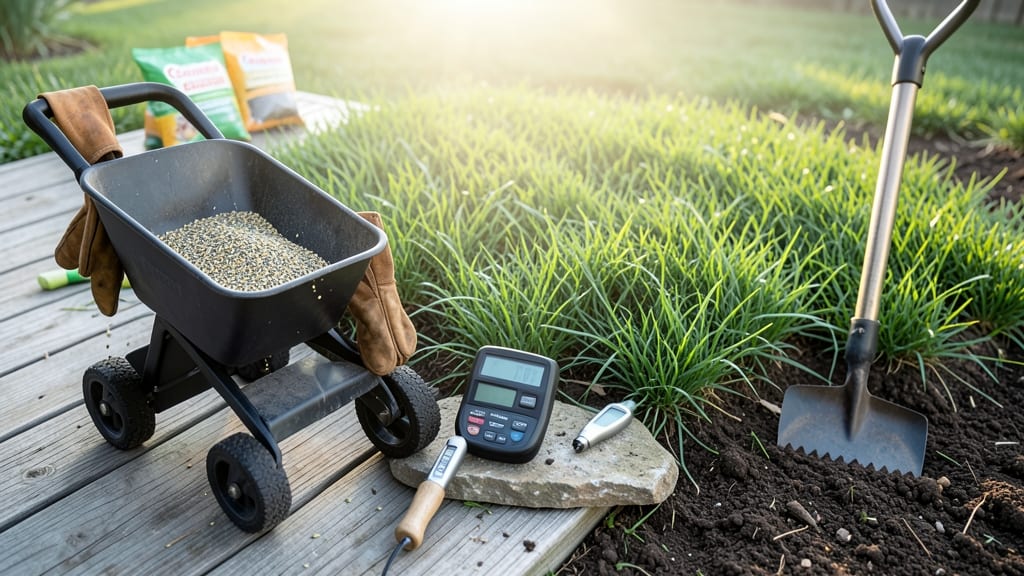
Planting grass seed in Colorado at the wrong time can turn your green dreams into a patchy, weedy nightmare—especially when frost sneaks in or summer heat dries out your efforts before they take root.
The best window is narrow, but timing it right means the difference between a lush lawn and months of frustration.
Whether you're in the Denver metro area or the high plains, knowing when to plant your 🌱 grass seed depends on soil temperatures, frost dates, and elevation. Too early, and a late freeze will wipe out your progress; too late, and weeds will outcompete your seedlings.
Let’s break down the ideal planting months for your specific region so you can avoid these common pitfalls.
Most Colorado gardeners swear by two planting seasons: early spring (March-April) and early fall (August-September). But here’s the catch—your exact timing should align with soil temperatures of at least 50°F and at least 1-2 weeks after the last frost.
We’ll show you how to adjust for your local microclimate, whether you’re dealing with Denver’s urban heat island or the cooler high plains.
Ready to transform your yard? I’ll walk you through soil prep, seed selection, and post-planting care tailored to Colorado’s tricky conditions. By the end, you’ll know exactly when to plant for a thick, vibrant lawn that stands up to the Centennial State’s challenges.
Best months to plant grass seed in Colorado by region
Colorado’s diverse landscapes—from the Front Range to the Eastern Plains—create wildly different planting windows for grass seed. The key is aligning your timing with soil temperatures (at least 50°F) and last frost dates, which can vary by 4+ weeks across the state.
For most regions, the sweet spot is early spring or early fall, but elevation and microclimates shift these deadlines dramatically.
Let’s break it down by region so you can plant with confidence. Whether you’re in Denver’s urban heat islands or the high-altitude mountains, knowing your zone’s optimal window is the first step to a thick, resilient lawn.
Remember: Cool-season grasses (like Kentucky bluegrass) dominate Colorado, so timing matters more than you might think.
| Region | Ideal Planting Window | Soil Temp Threshold | Key Considerations |
|---|---|---|---|
| Front Range (Denver, Boulder) | Late March–April or August–September | 50–55°F | Urban heat islands warm soil faster; watch for late frosts in April. |
| Western Slope (Grand Junction, Aspen) | Early April–May or July–August | 55–60°F | Drier climate; prioritize moisture retention in seed bed. |
| Eastern Plains (Colorado Springs, Pueblo) | March–April or September | 50°F | Lower elevation = earlier last frost; windburn can stress seedlings. |
| Mountain Regions (Above 8,000 ft) | May–June or August–early September | 55–60°F | Short growing season; use cold-hardy varieties like Alpine bluegrass. |
If you’re in the Front Range, aim for late March to April or August to September. These months strike a balance between warmer soil and cooler air, reducing stress on seedlings.
For example, Denver’s last frost typically hits around April 15, but wait 1–2 weeks to plant—this gives the soil time to warm up and stabilizes temperatures.
In contrast, Western Slope regions like Grand Junction have a 2–3 week later window due to higher elevations and drier conditions. Here, July–August planting is ideal for warm-season grasses like buffalo grass, which thrive in the heat.
Always check local USDA Zone 5–7 guidelines, as microclimates can shift deadlines by weeks.
For Eastern Plains cities like Colorado Springs, you can plant as early as March, but be prepared for unpredictable wind and late frosts. Use windbreaks or row covers to protect tender seedlings.
Meanwhile, mountain regions above 8,000 feet face a shorter growing season, so focus on May–June or August–early September to avoid early frosts.
Pro tip: Use a soil thermometer to confirm temperatures—50°F is the magic number for cool-season grasses. If your soil is cooler, wait 1–2 weeks or use a seedling blanket to insulate the bed. This small step can mean the difference between a thick lawn and a patchy failure.
Regardless of your region, avoid planting in summer (June–July) unless you’re using heat-tolerant varieties. The intense sun and dry air can bake the soil, preventing germination. Instead, leverage Colorado’s cool nights in early fall for a second chance at a lush lawn.
Finally, consider your grass seed mix. Cool-season blends (like Tall Fescue) dominate Colorado, but warm-season grasses (like Bermuda) can work in southern regions. Always choose locally adapted varieties—they’re bred to handle your region’s altitude and climate.
With these regional guidelines, you’re ready to pick your planting window with precision. Next, we’ll dive into how Colorado’s altitude, soil, and sudden frost risks can shift your timeline—and how to adjust for success.
How Colorado’s climate affects grass seed germination timing
Colorado’s diverse climate—from high-altitude mountains to arid plains—creates wildly different conditions for grass seed germination. Soil temperature is your #1 guide: seeds need consistent warmth (at least 50°F) to sprout, but frost risks linger longer at higher elevations.
In Denver, for example, soil warms to 50°F by mid-April, while Grand Junction hits that threshold by late March. Meanwhile, mountain regions like Aspen may not be ready until May due to lingering snowpack.
Moisture availability is another critical factor. Colorado’s dry air and unpredictable rain can dry out seeds before they germinate. In low-humidity areas like the Western Slope, you’ll need daily watering for the first 2 weeks, while Front Range yards might rely on spring rains. Even a single dry spell can stall germination, so always monitor soil moisture with your finger—it should feel damp 1-2 inches deep.
Don’t overlook sudden frost risks, especially in transition months like May or September. A late frost can kill young seedlings overnight.
Check your local USDA hardiness zone (Colorado ranges from Zone 4 in mountains to Zone 7 in southern valleys) and aim to plant 1-2 weeks after the average last frost date for your area.
For Denver, that’s typically April 15, but mountain towns like Breckenridge may need to wait until May 15.
Low-lying areas and valleys (like parts of the Eastern Plains) can experience unpredictable late frosts even after nearby regions have warmed. If your yard sits in a frost pocket, delay planting until May 1 or opt for cold-hardy varieties like Kentucky Bluegrass or Fescue.
Elevation matters more than latitude in Colorado. A yard at 5,000 feet (e.g., Fort Collins) will have a 2-3 week later planting window than one at 4,000 feet (e.g., Colorado Springs). Use a soil thermometer ($10 at garden centers) to verify temperatures—60°F+ is ideal for most grass seeds. Pro tip: If your soil is too cold, cover it with black plastic mulch for 1-2 weeks to warm it up naturally.
Finally, wind and sun exposure play sneaky roles. High-wind areas (common in the Western Slope) can dry out seeds faster, while shady microclimates (like north-facing yards in Denver) may stay cooler longer.
If your lawn gets less than 6 hours of sun, choose shade-tolerant varieties like Fine Fescue and adjust your planting window by 2 weeks later to account for slower warming.
By accounting for these climate quirks, you’ll avoid the two biggest pitfalls: frost damage and failed germination. Next, we’ll cover pro tips to give your grass seed the best shot in Colorado’s tough conditions—including seed selection and post-planting care.