Companion Plants
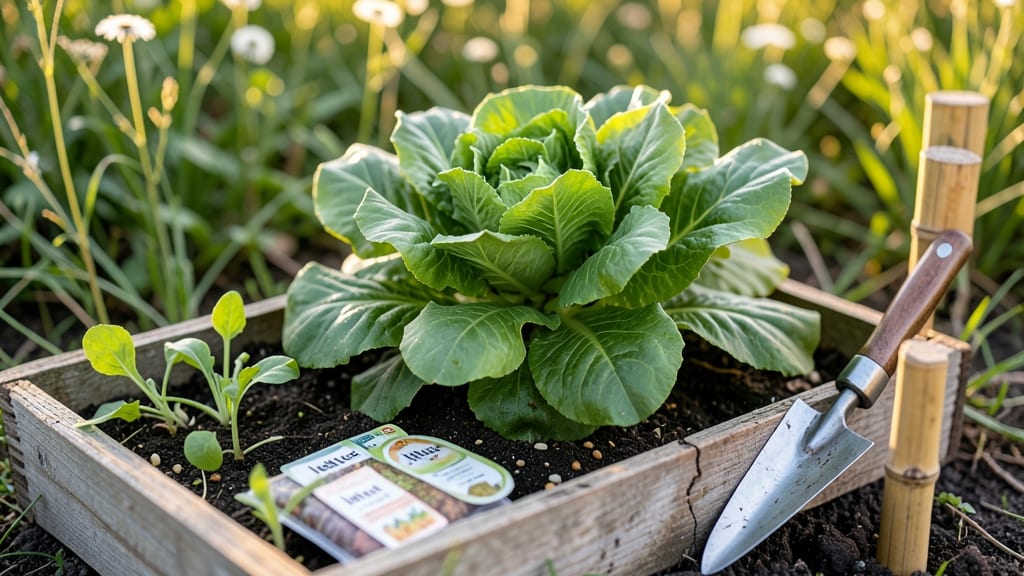
Knowing when to plant lettuce in Zone 7 could mean the difference between a crisp, homegrown salad and a bitter disappointment. 🥬 With just 4-6 weeks of perfect timing, you can avoid bolting and enjoy fresh greens all season long.
Zone 7 gardeners face a unique challenge—scorching summers that turn tender lettuce into a sad, bolted mess. But here's the good news: spring and fall planting windows offer the ideal balance of cool temperatures and moisture. I'll walk you through the exact deadlines to plant for maximum success.
Why does timing matter so much? Lettuce thrives in cooler weather, and even a few degrees too warm can trigger bolting—the plant's way of saying, "It's time to go to seed!"
The key is planting when soil temps stay below 75°F, which in Zone 7 means early spring or late summer.
Ready to grow lettuce that stays crisp and delicious? Let's dive into the science-backed planting schedule that'll keep your greens happy from March to November. You'll learn how to stretch your harvest, pick the best varieties, and even troubleshoot common problems.
Zone 7 lettuce planting calendar: exact spring & fall deadlines to avoid bolting
If you've ever planted lettuce in Zone 7 only to watch it bolt into bitter, flowery stalks before you could harvest a single leaf, you're not alone. The key to crisp, sweet lettuce lies in precise timing—both for planting and harvesting.
In Zone 7, where summer temperatures can soar and winter frosts linger, getting these deadlines wrong means the difference between a bountiful harvest and a sad, bolted disappointment.
Lettuce thrives in cool temperatures (45°F to 75°F) and bolts when stressed by heat or drought. In Zone 7, that means planting too late in spring or too early in fall can trigger this unwanted flowering.
Let’s break down the exact planting windows and temperature thresholds to keep your lettuce happy and productive.
📅 Spring Planting Window: Start seeds indoors 4-6 weeks before your last frost date (typically late February to early March in Zone 7) or direct-sow outdoors 2-4 weeks before the last frost. For most of Zone 7, this lands in mid-March to early April. Transplant seedlings outdoors once soil temperatures hit 40°F+ and nighttime temps stay above 35°F.
| Season | Planting Time | Soil Temp | Key Notes |
|---|---|---|---|
| Spring | Late Feb - Early Apr | 40°F+ | Avoid planting after April 15—heat stress causes bolting. |
| Fall | Mid-Aug - Early Sep | 60°F+ | Plant 6-8 weeks before first frost (Nov 15) for harvest. |
| Winter (Hardy Varieties) | Late Sep - Oct | 50°F+ | Use cold-hardy types like Winter Density; protect with mulch. |
Zone 7’s microclimates can shift planting deadlines by weeks. For example, higher elevations (like the Appalachians) may have later last frosts, while urban areas (like Atlanta or Raleigh) often warm up faster.
To adjust, monitor your local average last frost date—check resources like the Old Farmer’s Almanac or your local Cooperative Extension Service for precise data.
For fall lettuce, the window is narrower but just as critical. Start seeds indoors in mid-August or direct-sow outdoors by early September. By late September, daytime temps often climb into the 80s°F, triggering bolting.
Use shade cloth (30-50%) to buy time if planting late, or opt for heat-tolerant varieties like 'Jericho' or 'Black Seeded Simpson'.
One of my biggest mistakes was planting lettuce in May for a "summer crop." By June, the plants were already bolting, and I had no harvest. Instead, focus on succession planting: Sow new seeds every 2 weeks from March to September to ensure a steady supply.
This way, you’re always harvesting young, tender leaves before the heat sets in.
Pro tip: Use a soil thermometer to confirm conditions. Lettuce roots struggle in soil above 75°F, even if air temps are cooler. If your soil hits 80°F+, switch to shade-loving greens like Swiss chard or kale, which handle heat better.
Finally, don’t overlook mulching. A 2-inch layer of straw or shredded leaves keeps soil cool and moist, delaying bolting by 2-3 weeks in spring and fall. It’s a simple trick that makes a huge difference in Zone 7’s unpredictable climate.
With these deadlines and tips, you’ll avoid the heartbreak of bolted lettuce and enjoy crisp, sweet harvests all season long. Happy planting! 🥬
Zone 7 lettuce planting calendar: exact spring & fall deadlines to avoid bolting
In Zone 7, your lettuce planting window is tight—just 8-10 weeks of ideal conditions between spring and fall. 🥬 Miss these deadlines, and you'll risk bolting (when lettuce goes to seed prematurely).
The magic happens when soil temps stay below 75°F, which in Zone 7 means planting between March 15 and April 15 for spring, and August 15 and September 15 for fall.
Why? Lettuce is a cool-season crop that bolts when stressed by heat. Even a single day above 80°F can trigger bolting. My secret? Use a soil thermometer to confirm temps are 50-70°F before planting. This small step saves hours of frustration later.
Here's your Zone 7 lettuce planting calendar with exact deadlines, frost dates, and heat thresholds to keep your greens crisp:
| Season | Planting Window | Soil Temp | Key Deadline | Harvest Window |
|---|---|---|---|---|
| Spring | March 15 - April 15 | 50-70°F | Last frost date (March 15) | May - June |
| Fall | August 15 - September 15 | 50-70°F | 6-8 weeks before first frost (Nov 15) | October - November |
| Summer (Risky) | June - July | Above 80°F | Use shade cloth only | Minimal yield |
Pro tip: In Zone 7b (warmer microclimates), push spring planting to April 1-15 and fall planting to August 30-Sept 1 to avoid heat stress. I've learned this the hard way—planting too early in cooler microclimates can lead to rot from cold, wet soil.
For a continuous harvest, try succession planting every 2 weeks in spring and fall. Start with 4-6 seeds per hole, thin to 1 plant per 12-inch spacing, and watch your salad bowl fill up all season.
Just remember: shade cloth is your best friend in late spring and early fall when temps flirt with 80°F.
Now that you've got the timing down, let's talk about the 5 signs your lettuce is bolting—and how to stop it before it ruins your harvest. 🌱