
Companion Plants
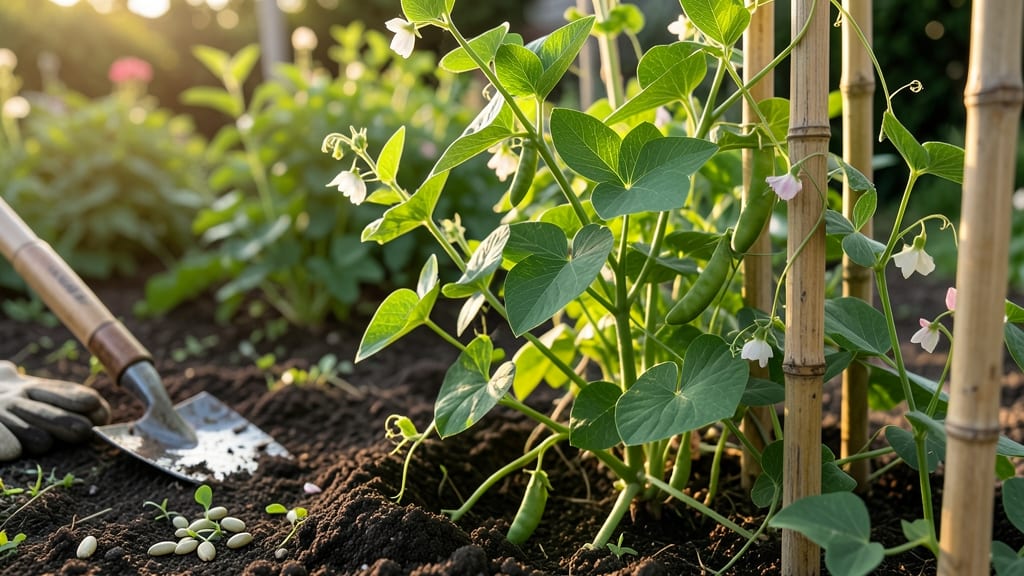
If you're wondering when to plant peas in Zone 6, timing is the secret to a garden bursting with sweet, tender pods.
Unlike heat-loving veggies, peas thrive in cool weather and actually hate summer's scorching heat—so getting them in the ground at just the right moment makes all the difference.
In Zone 6, your best bets are early spring (March-April) or late summer (August-September). Planting too early risks frost damage, while waiting too long means your peas will bolt before producing.
The key is working with your last frost date—typically mid-April—and choosing cold-hardy varieties that can handle chilly soil temperatures.
Don't let the short growing season fool you—peas are fast growers, ready for harvest in just 55-70 days. Whether you're a first-time gardener or a seasoned pro, mastering these planting windows will give you two harvests a year: one in late spring and another in late fall.
Let's break down exactly how to time it right for your Zone 6 garden.
From calculating frost dates to selecting the perfect varieties, I'll walk you through every step to ensure your peas grow strong, productive, and delicious. No more wasted seeds or missed opportunities—just a steady supply of fresh, homegrown peas straight from your backyard.
Best weeks before last frost to plant peas in Zone 6 for maximum yield
Peas thrive in cool weather, making them perfect for Zone 6's early spring—but planting them too early or too late can ruin your harvest. The ideal window is 4-6 weeks before your last frost date, typically between late February and early April in most of Zone 6.
For example, if your last frost is April 15, aim to plant peas by mid-March.
Zone 6 spans 6a (0°F to -5°F) and 6b (-5°F to 0°F), with microclimates affecting frost dates. Check your local frost calendar—some areas may have earlier or later frost dates.
Peas can handle light frosts, but severe freezes will kill young plants, so don’t rush planting in early February unless you’re using cold-hardy varieties.
Soil temperature matters too. Peas germinate best in soil that’s 40-70°F. If your soil is still cold (below 40°F), wait a few weeks or use black plastic mulch to warm the soil faster. A soil thermometer is your best friend here—don’t guess!
| Planting Window | Soil Temp | Last Frost Buffer | Pea Variety |
|---|---|---|---|
| Late February - Early March | 40-50°F | 6+ weeks before last frost | Sugar Ann, Lincoln |
| Mid-March - Early April | 50-60°F | 4-5 weeks before last frost | Green Arrow, Wando |
| August - Early September | 60-70°F | 8-10 weeks before first frost | Oregon Sugar Pod, Tom Thumb |
🌱 Pro Tip: For a continuous harvest, plant peas every 2 weeks in spring and again in late summer.
Don’t overlook fall planting in Zone 6! While spring is the primary season, you can also plant peas in late summer (August) for a fall harvest. Aim to plant them 8-10 weeks before your first frost, usually around mid-September in most of Zone 6.
This gives peas enough time to mature before winter sets in.
Choose the right pea varieties for your timing. Early-season varieties like Sugar Ann or Lincoln are perfect for spring, while late-season varieties like Oregon Sugar Pod work well for fall.
Dwarf varieties (like Tom Thumb) are great for containers or small spaces and can be planted slightly later in the season.
If you’re unsure about your last frost date, use the 50% probability rule: Plant peas when there’s a 50% chance of frost remaining. Many Zone 6 gardeners use March 15 as a safe benchmark for early planting, but adjust based on your local climate.
For example, Chicago (Zone 5b) might plant later than Raleigh (Zone 7b).
Peas are fast growers, with most varieties ready to harvest in 55-70 days. If you plant too late in spring, you might miss your harvest window. Conversely, planting too early in cold soil can lead to rot or poor germination. Always prioritize soil temperature over calendar dates.
For high-elevation areas in Zone 6 (like the Rocky Mountains), frost dates can be 2-3 weeks earlier than lower elevations. If you live above 5,000 feet, plant peas 1-2 weeks later than the general guidelines to avoid frost damage.
Pay attention to microclimates—south-facing slopes warm up faster than shady spots.
Finally, remember that peas don’t transplant well. Sow seeds directly into the garden for the best results. Use a trellis or cage to support vines, especially for taller varieties like Wando. This not only saves space but also improves airflow, reducing the risk of disease.
How to extend your pea planting season in Zone 6 (even after last frost)
Zone 6 gardeners don’t have to settle for just one pea harvest! With the right techniques, you can extend your planting season to enjoy fresh peas in both spring and fall.
The secret lies in succession planting, cold-hardy varieties, and protective methods that shield tender plants from late frosts. Let’s explore how to squeeze every possible harvest from your garden.
First, consider succession planting every 2 weeks during spring. This staggered approach ensures a continuous supply of peas from late spring through early summer. For fall, start seeds indoors 6-8 weeks before your target transplant date (usually mid-August) to get a head start on the season.
Hardened-off seedlings can be transplanted directly into the garden when soil temperatures drop below 80°F.
- 1. Use row covers: Lightweight fabric covers can extend your harvest by 2-3 weeks in both spring and fall. They protect against light frosts (28°F) and even insect pests like pea aphids. Secure edges with soil or bricks to prevent wind damage.
- 2. Plant cold-hardy varieties: Choose varieties like Oregon Sugar Pod or Alaska, which tolerate temperatures down to 20°F once established. These work well for late summer plantings in Zone 6.
- 3. Try cloches or cold frames: These mini greenhouses create a warmer microclimate around plants, allowing you to start seeds 4-6 weeks earlier in spring or extend fall harvests by 3-4 weeks. Clear plastic cloches are affordable and easy to use.
- 4. Succession plant in containers: Grow dwarf varieties like Tom Thumb in pots on your patio or balcony. This lets you plant every 2 weeks even in small spaces, giving you a steady harvest without competing for garden real estate.
- 5. Mulch heavily for fall plantings: Apply straw or leaves (4-6 inches) around fall-planted peas to insulate roots from temperature swings. This helps maintain consistent soil temps and protects against early frosts.
🌱 Key Insight: Fall-planted peas often produce sweeter, more tender pods because they grow slower in cooler weather.
Don’t forget about intercropping! Plant peas alongside spinach, lettuce, or radishes in spring to maximize space. These cool-weather crops won’t compete with peas for nutrients and can even improve soil structure. In fall, pair peas with garlic or onions, which help deter pests like pea weevils.
For gardeners in Zone 6b (warmer microclimates), you might even get a third harvest! Plant a late-summer crop in July using fast-maturing varieties like Green Arrow. These peas will mature just in time for a September harvest before the first frost hits.
Monitor your local weather forecasts closely—some years allow for this extra window.
If you’re experimenting with overwintering peas, try planting in late September using heavy mulch (like straw bales) to insulate the soil. Some varieties, like Mammoth Melting Sugar, can survive light frosts and produce pods in early spring.
Just be prepared to protect them with row covers during winter thaws.
Remember, peas are self-pollinating, so you don’t need multiple plants for pollination. This makes them ideal for small spaces or container gardening. With these techniques, you can enjoy homegrown peas for up to 6 months in Zone 6—from late spring through early fall!
The key is planning ahead and using protective methods to beat the clock.