Companion Plants
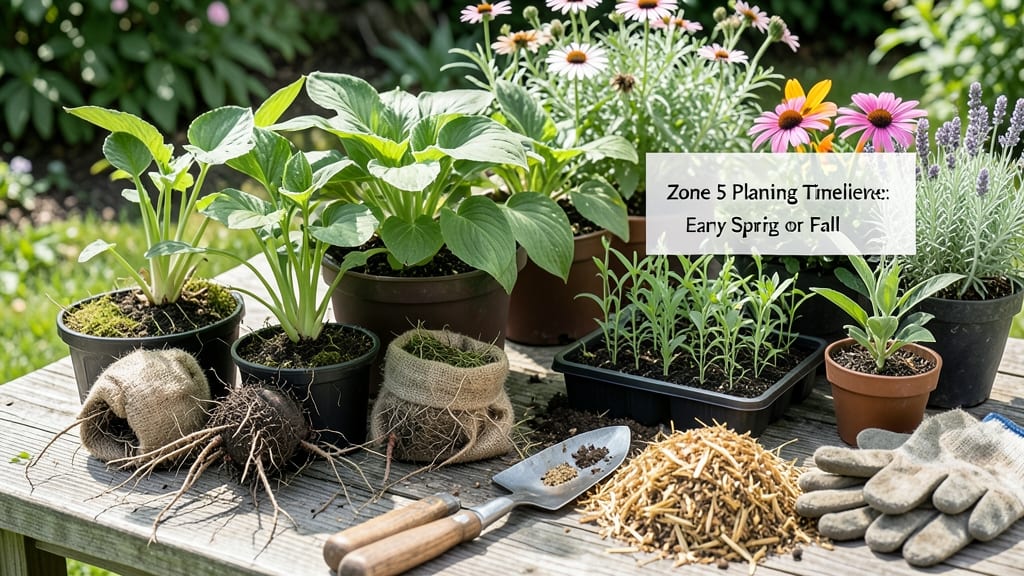
Timing your perennial planting in Zone 5 isn’t just about checking a calendar—it’s about reading the soil’s temperature cues. Plant too early, and frost will nip your 🌱 dreams before they take root. Too late, and your hardy plants might struggle to establish before winter sets in.
Most gardeners in Zone 5 focus on spring planting, but fall offers a second chance—if you play it right. The key is understanding when soil warms to 50°F in spring or cools to 60°F in fall, not just memorizing frost dates.
I’ll break down the exact windows and why soil temperature matters more than you think.
Whether you’re planting cold-hardy coneflowers or tender lavender, the right timing ensures your perennials thrive from day one. Let’s dive into the science behind Zone 5’s planting seasons and how to prep your soil for success.
From extending your planting window with frost protection to choosing the best perennials for each season, this guide covers everything you need to know. Ready to turn your garden into a year-round blooming paradise? Let’s get started.
Zone 5 perennial planting timeline by soil temperature (not just dates)
In Zone 5, timing your perennial planting isn't just about avoiding frost—it's about soil temperature. Most perennials thrive when soil reaches 40-60°F, but the exact window depends on whether you're planting in spring or fall.
Unlike annuals, perennials establish roots over time, so getting them in the ground at the right moment means fewer transplant shocks and stronger growth for years to come.
Spring planting in Zone 5 typically starts when daytime temperatures consistently stay above 50°F, usually late April to early May. However, this varies by microclimate—urban areas may warm faster than rural spots.
Fall planting, on the other hand, should happen 4-6 weeks before your first frost, giving roots time to anchor before winter dormancy. For most of Zone 5, this means mid-September to early October.
Here’s the key: Soil temperature matters more than calendar dates. A soil thermometer is your best friend—aim for 50°F+ in spring and 60°F or cooler in fall. Cold soil can stunt root growth, while warm soil in fall may encourage late-season growth that gets damaged by frost.
Let’s break down the best windows for each season, including frost risk and soil prep tips.
🌱 Did You Know? Some perennials, like coneflowers and black-eyed Susans, are so hardy they can handle Zone 5 winters even if planted in early spring. Others, like lavender or Russian sage, need protected fall planting to survive. The difference? Root establishment time.
Spring planting in Zone 5 is all about balancing warmth and moisture. Once soil hits 50°F, most perennials—like daylilies or hostas—can go in the ground. But if you’re planting tender perennials like lavender, wait until soil is 60°F+ to avoid root rot.
A quick trick? Press your finger into the soil—if it feels cool but not icy, it’s likely ready.
Fall planting, however, is where Zone 5 gardeners often make mistakes. Planting too late—like in November—can leave roots exposed to freeze-thaw cycles, which are more damaging than steady cold.
Aim to finish by early October in most of Zone 5, giving roots 6-8 weeks to establish before the ground freezes. Mulching with straw or leaves after planting adds an extra 5-10°F of insulation.
For northern Zone 5 (e.g., Minnesota, Upstate New York), the window is tighter—soil may not warm to 50°F until May, and frost can linger into June. In southern Zone 5 (e.g., Northern Illinois, Indiana), you might start as early as mid-April and
Best perennials for Zone 5 by planting season (cold-hardy vs. tender varieties)
Choosing the right perennials for Zone 5 depends on whether you plant in spring or fall. Cold-hardy varieties thrive when planted in early spring, while tender perennials need fall planting to establish roots before winter. Let’s break down the best options for each season to maximize your garden’s success.
For spring planting, focus on cold-hardy perennials like coneflowers and black-eyed Susans. These plants can handle Zone 5’s unpredictable early-season frosts and still bloom beautifully.
In contrast, fall planting works best for tender perennials such as lavender or Russian sage, which need time to root before the ground freezes.
🌱
| Plant Type | Best Planting Season | Cold-Hardiness | Notes |
|---|---|---|---|
| Coneflowers (Echinacea) | Spring or Fall | Zone 3-9 | Drought-tolerant; attracts pollinators |
| Black-Eyed Susan (Rudbeckia) | Spring | Zone 3-9 | Thrives in poor soil; long bloom season |
| Lavender (Lavandula) | Fall | Zone 5-9 | Needs well-draining soil; avoid overwatering |
| Russian Sage (Perovskia) | Fall | Zone 4-9 | Drought-resistant; attracts bees |
| Hostas (Hosta spp.) | Spring | Zone 3-8 | Shade-loving; slug-prone |
If you’re planting in spring, prioritize hardy perennials like daylilies or sedum, which bounce back quickly from late frosts. These plants establish roots fast and can handle Zone 5’s cooler temperatures better than tender varieties.
For fall planting, opt for Russian sage or catmint, which need a head start to survive winter.
Pro tip: Always check the USDA Zone 5 hardiness ratings before selecting perennials. Some varieties, like peony, are extremely cold-hardy and can even be planted in late fall as long as the ground isn’t frozen. Others, like salvia, prefer spring planting to avoid winter stress.
For urban gardeners with limited space, consider dwarf varieties like miniature hostas or compact coneflowers. These thrive in containers and can be planted in either season, giving you flexibility. Just ensure your pots have drainage holes to prevent root rot during Zone 5’s wet springs.
Remember, the key to success in Zone 5 is timing. Plant spring perennials after the last frost date (usually mid-May), and fall perennials at least 4-6 weeks before the first frost (typically early October). This gives roots enough time to establish before winter sets in.