
Companion Plants
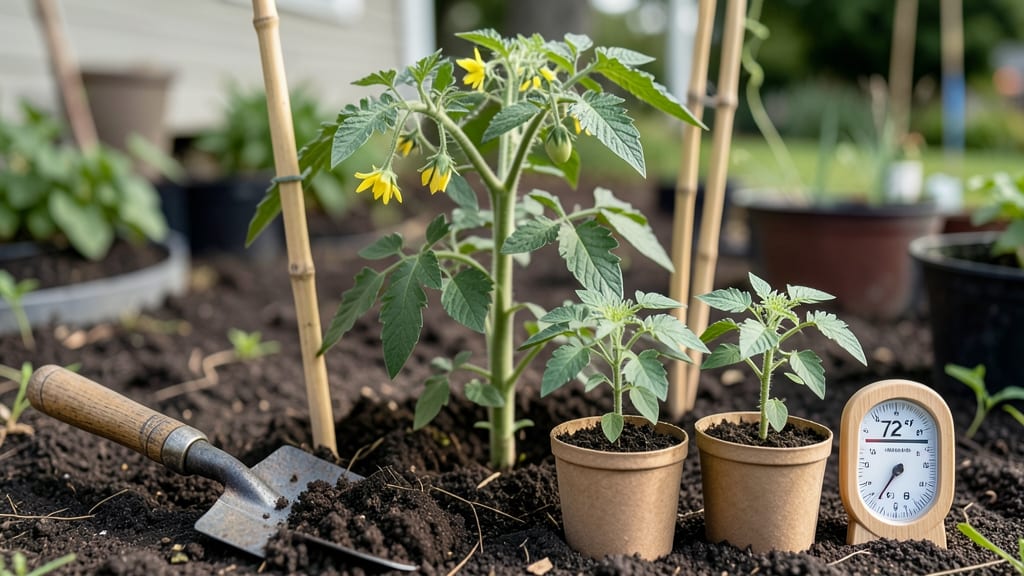
If you’ve ever dreamed of plucking a sun-ripened 🍅 tomato straight from your Florida garden, when can I plant tomatoes in Florida is the question that unlocks your harvest—timing is the secret ingredient.
Florida’s unique climate zones (from 8a to 11) mean you can grow tomatoes year-round, but knowing when to start is everything.
Most gardeners in Florida’s cooler regions (like north or central) should kick off their tomato season in late winter or early spring, while those in the south can plant almost anytime—except during the brutal summer months.
The key? Avoid transplanting when temperatures hit 90°F or higher, or your plants will bolt faster than a squirrel in a nut factory.
In this guide, I’ll break down the exact planting windows for Florida’s three main zones, plus the heat-resistant varieties that thrive in our sweltering summers. Whether you’re a first-timer or a seasoned gardener, these tips will help you beat the heat and harvest like a pro.
Ready to turn your backyard into a tomato powerhouse? Let’s dive into the perfect times to plant—and how to keep your tomatoes happy from seedling to salad bowl.
Florida tomato planting calendar by climate zone: exact start dates
Florida’s unique climate—spanning USDA Zones 8a–11—lets you grow tomatoes almost year-round, but timing varies dramatically. In northern Florida (Zones 8a–9b), frost can still threaten in winter, while southern Florida (Zones 10a–11) enjoys frost-free growing conditions.
The key is aligning your planting schedule with temperature extremes and humidity spikes to avoid stressing seedlings.
For northern Florida gardeners, the safest window is late January to early March for early spring plantings, followed by fall plantings in August–September.
In central Florida (Zones 9a–10a), you can stretch this to December–February and July–August, while south Florida (Zones 10a–11) allows year-round planting with minimal frost risk.
Here’s the breakdown of ideal planting windows by Florida region, including whether to start seeds indoors or transplant seedlings for maximum success.
| Region & Zone | Best Planting Windows | Method | Notes |
|---|---|---|---|
| North FL (8a–9b) | Late Jan–Early Mar Aug–Sep |
Transplant seedlings OR Direct sow after last frost |
Avoid planting before Jan 15 (frost risk). Use shade cloth in summer. |
| Central FL (9a–10a) | Dec–Feb Jul–Aug |
Transplant or direct sow | Summer planting works if soil is mulched and watered deeply. |
| South FL (10a–11) | Year-round (peaks: Feb–Mar, Aug–Sep) | Direct sow or transplant | No frost risk; focus on heat-tolerant varieties and drip irrigation. |
| All Regions | Avoid planting when temps > 90°F | Use shade cloth or wait for cooler months | Extreme heat causes flower drop and poor fruit set. |
If you’re starting seeds indoors, begin 6–8 weeks before your target transplant date. For example, northern Florida gardeners should start seeds in mid-November for March planting. Use grow lights to ensure seedlings get 12–16 hours of light daily—Florida’s short winter days can stunt growth.
For direct sowing, wait until soil temperatures reach 60°F+. Use a soil thermometer to check—cool soil slows germination. In south Florida, you can direct-sow year-round, but summer plantings require extra care like mulching and drip irrigation to prevent stress.
Pro tip: Succession planting every 2–3 weeks ensures a continuous harvest. For example, plant one batch in February, another in March, and a final batch in August for a spring-to-fall tomato feast. This works especially well in central and south Florida.
Remember, Florida’s humidity and soil fertility play huge roles. Amend your soil with compost or aged manure before planting, and consider raising beds in heavy clay soils to improve drainage. Disease pressure is high in Florida, so rotate planting locations yearly to prevent soil-borne pathogens like fusarium wilt.
Finally, monitor weather forecasts for unusual cold snaps (even in south Florida). A sudden drop below 50°F can damage young plants. If frost is forecasted, cover seedlings with frost cloth or move potted plants indoors temporarily.
Best heat-resistant tomato varieties for Florida’s summer planting
Florida’s summer heat can turn tomato plants into crispy critters if you’re not careful—but the right heat-resistant varieties thrive under our blazing sun. I’ve grown dozens of varieties here, and these 8 top performers consistently deliver juicy, flavorful tomatoes even when temps hit 95°F+.
The key? Choosing between determinate (bush) and indeterminate (vining) types based on your space and goals.
For small spaces or container growing, ‘Heatmaster’ and ‘Solar Fire’ are my go-tos—they produce early, abundant fruit and handle humidity like champs. If you’ve got room for vines, ‘Celebrity’ and ‘Arkansas Traveler’ deliver heavy yields while resisting cracking in our intense heat.
Pro tip: Look for varieties labeled “heat-tolerant” or “disease-resistant” (like Virus-resistant or Fusarium-resistant tags).
🌡️ Heat & Disease Resistance Ratings
Top Picks: Heatmaster (9.2), Solar Fire (9.0), Celebrity (8.9)
Let’s break down the best varieties for Florida’s summers, including their growth habits, heat tolerance, and ideal planting windows. For example, ‘Heatmaster’ (determinate) matures in just 55 days and handles 100°F+ temps, while ‘Solar Fire’ (indeterminate) keeps producing all summer long.
Both are disease-resistant, which is a must in Florida’s humid climate.
If you’re planting in south Florida (Zones 10-11), you can grow tomatoes year-round, but focus on late summer/fall plantings (August-September) to avoid the peak heat of June-July.
In central Florida (Zones 9-10), aim for March-April or August-September plantings. For north Florida (Zones 8-9), stick to February-March or July-August to dodge late-spring frosts.
Don’t overlook cherry tomatoes like ‘Sun Gold’ or ‘Sweet Million’—they’re heat-tolerant, produce prolonged harvests, and are perfect for container growing. For slicing tomatoes, ‘Arkansas Traveler’ is a heirloom favorite that thrives in heat and resists cracking.
Pair these with drip irrigation and shade cloth during the hottest afternoons, and you’ll be feasting on homegrown tomatoes from June through October.
One critical mistake I see? Planting non-heat-resistant varieties like ‘Better Boy’ or ‘Beefsteak’ in summer—they’ll bolt or produce small, bitter fruit. Instead, stick to the heat-tested varieties above, and your summer harvest will be bountiful and delicious. 🌱