Plants
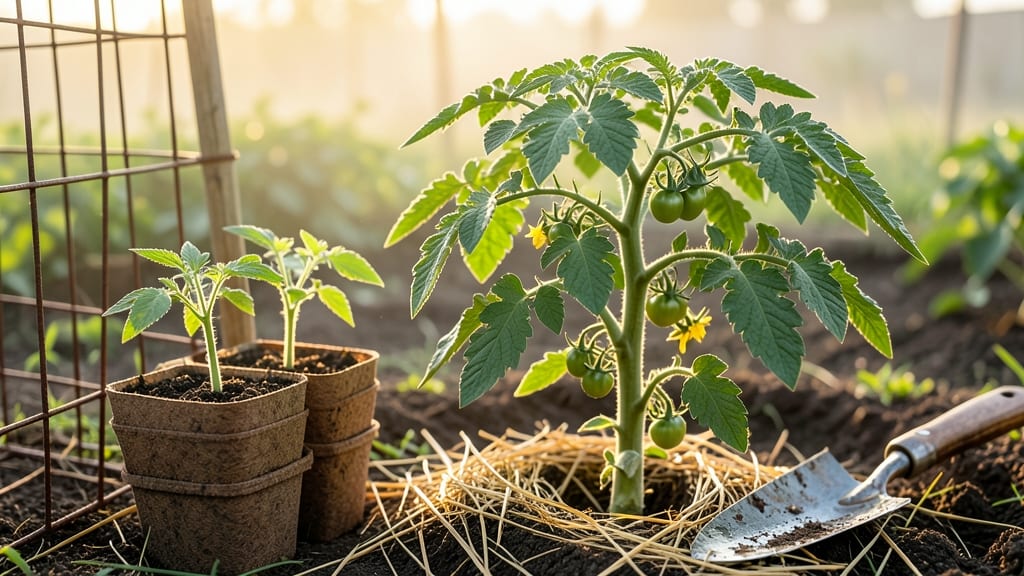
If you’ve ever wondered when you should plant tomatoes in Florida and why your 🍅 plants thrive one year and struggle the next, the answer likely lies in timing—especially in Florida’s unpredictable climate.
Planting tomatoes at the wrong moment can mean stunted growth, disease susceptibility, or even total crop failure, even though Florida’s frost-free zones (8a-11) offer year-round potential.
The key to success isn’t just knowing when to plant—it’s understanding your county’s exact frost-free window, soil temperature, and seasonal risks like hurricane season or heat waves. Whether you’re a first-time gardener or a seasoned pro, missing these deadlines by even a week can cost you months of harvests.
In this guide, I’ll break down the optimal planting windows for Florida’s 67 counties, including county-specific deadlines and how to adjust for microclimates. You’ll learn how to avoid common pitfalls like planting in cold soil or rushing fall harvests, ensuring your tomatoes get the head start they need.
Ready to master Florida’s tomato-growing secrets? Let’s dive into the frost-free deadlines, soil prep tips, and variety choices that’ll transform your garden from good to exceptional—without the guesswork.
Florida tomato planting deadlines by county: exact frost-free dates
Florida’s tomato planting success hinges on avoiding frost—even a light freeze can devastate young plants. Unlike northern states, Florida’s frost-free window varies dramatically from North Florida’s 240 days to South Florida’s 365 days.
For example, Jacksonville (Zone 8b) faces its last frost around January 15, while Miami (Zone 11) never sees frost. Timing your plantings to these deadlines ensures robust growth and bumper crops.
Most Florida gardeners focus on two main planting windows: late winter/early spring (for spring harvests) and late summer (for fall harvests). However, South Florida gardeners can plant tomatoes year-round with proper care.
The key is aligning your planting schedule with soil temperatures—tomatoes thrive when soil reaches 60°F or warmer. Below, you’ll find a breakdown of county-specific deadlines to help you plan.
🌱 Did You Know? Florida’s USDA Zones 8a-11 create microclimates where a single county (like Hillsborough) might have 30-day variations in frost-free dates. Always check your exact ZIP code for precision.
| Region | Last Frost Date | Ideal Planting Window | Fall Planting Deadline | Notes |
|---|---|---|---|---|
| North Florida (Zones 8a-8b) | January 15 | March 1–April 15 | August 15–September 15 | Use row covers for early starts |
| Central Florida (Zones 9a-9b) | February 1 | February 15–March 30 | July 15–August 30 | Black plastic mulch speeds soil warming |
| South Florida (Zones 10a-11) | None | Year-round (best: Jan–Feb, Sep–Oct) | No deadline; avoid hurricane season | Shade cloth protects from heat stress |
| Panhandle (Zones 8a-8b) | January 30 | April 1–May 1 | July 30–August 15 | Windbreaks reduce transplant shock |
For precise county deadlines, use the Florida Climate Center’s interactive map (link in resources) or call your local Cooperative Extension Service.
For example, Orlando (Zone 9b) gardeners should plant February 15–March 15 for spring tomatoes, while Tallahassee (Zone 8a) waits until April 1 to avoid frost damage. South Florida’s year-round flexibility means you can even succession plant every 2–3 weeks for continuous harvests.
Pro tip: Soil temperature matters more than air temperature. Use a soil thermometer to confirm 60°F+ before planting. In North Florida, black plastic mulch can raise soil temps by 5–10°F, allowing earlier starts.
For fall plantings, aim to harvest before December 15 in North Florida to avoid light frosts.
Missed the spring window? Don’t panic—fall planting is just as productive. In Central Florida, August 15 is the last call for fall tomatoes, while South Florida can extend until October. Just watch for hurricane season (June–November) and protect young plants with stakes or cages before storms hit.
🌿 Key Takeaway: North Florida = Plant March–April (spring) or August (fall). Central Florida = Plant February–March or July–August. South Florida = Plant year-round, but avoid hurricane season.
Need help finding your county’s exact deadline? Bookmark the UF/IFAS Frost Probability Tool (linked below) and enter your ZIP code. It’s the fastest way to avoid frost-related failures and maximize your tomato harvest
How to adjust tomato planting for Florida’s microclimates
Florida’s diverse microclimates can turn a tomato-growing disaster into a bountiful harvest—if you know how to adapt. Coastal areas like Miami-Dade and Broward face high humidity and salt spray, while inland regions like Orlando and Tallahassee battle intense heat and drought.
Even urban heat islands in Jacksonville or Tampa can raise soil temperatures by 10°F or more, throwing off planting schedules.
Adjusting your approach based on your microclimate isn’t just about when you plant—it’s about which varieties you choose and how you protect your plants. For example, coastal gardeners should prioritize disease-resistant varieties like ‘Celebrity’ or ‘Mountain Merit,’ while inland growers can thrive with heat-tolerant picks like ‘Heatmaster’ or ‘Solar Fire.’
The key is understanding how your local conditions affect soil warmth, humidity levels, and heat stress. Coastal areas may need earlier plantings to avoid hurricane season (June–November), while inland zones can extend fall harvests by using row covers or shade cloth during summer heat waves.
Let’s break down the best strategies for your microclimate.
🌡️ Microclimate Adjustments for Florida Tomatoes
🌊 Coastal Areas (e.g., Miami, Naples)
- ✅ Pros: Longer growing season, less frost risk
- ✅ Pros: Higher humidity supports vine growth
- ⚠️ Cons: Salt spray can damage leaves
- ⚠️ Cons: Hurricane season risks (June–Nov)
🏜️ Inland Areas (e.g., Orlando, Gainesville)
- ✅ Pros: Hotter soil warms up faster
- ✅ Pros: Less humidity = fewer fungal diseases
- ⚠️ Cons: Extreme heat can cause blossom drop
- ⚠️ Cons: Drought stress is common
🏙️ Urban Heat Islands (e.g., Tampa, Jacksonville)
- ✅ Pros: Warmer microclimate extends growing season
- ⚠️ Cons: Soil can be 10°F+ hotter than rural areas
- ⚠️ Cons: Pollution can stress plants
Another critical adjustment is soil preparation. In coastal areas, amend sandy soil with compost to improve water retention, while inland gardeners should focus on mulching to cool roots during summer. Urban gardeners might need to test soil pH more frequently due to pollution’s impact on nutrient availability.
For fall plantings, inland areas can often push harvests into November or December by using row covers or greenhouses**, while coastal regions should wrap up by October to avoid storm damage. Always check your local frost-free dates—even in Florida, a rare cold snap can ruin unprotected plants.
Finally, don’t underestimate the power of shade cloth or drip irrigation to mitigate microclimate challenges. A simple 30% shade cloth can protect plants from heat stress during summer afternoons, while drip irrigation ensures consistent moisture without wetting leaves—critical for fungal disease prevention in humid areas.
With these adjustments, you’ll turn Florida’s microclimates from obstacles into opportunities for year-round tomato success.