
Plants
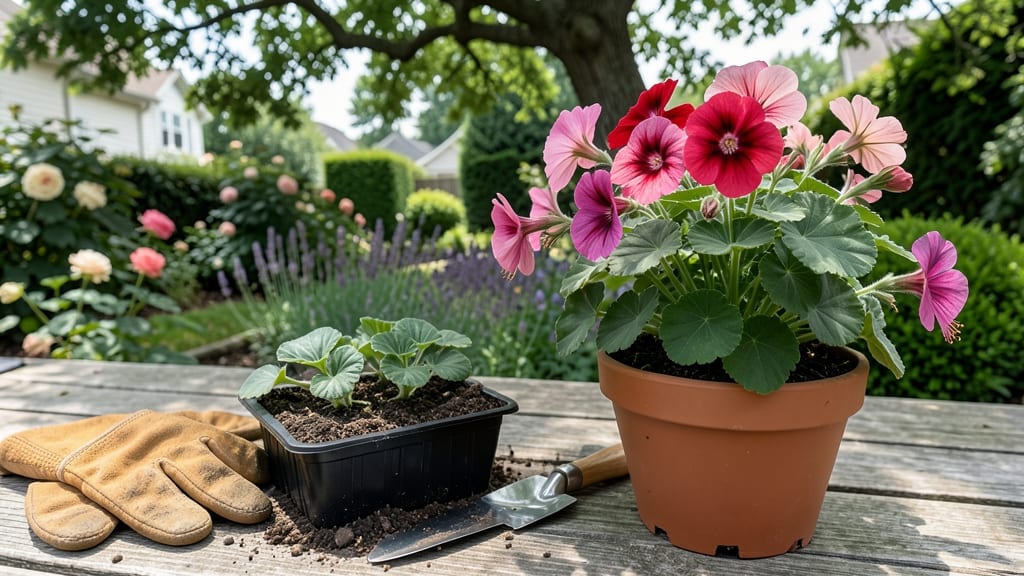
Timing your geranium planting in pots outside can make the difference between vibrant blooms all season and struggling plants that barely survive.
Whether you're in a cooler USDA Zone 6a or a warmer climate, getting the window right ensures your 🌸 geraniums thrive in containers without risking frost damage or wilting in heat.
Most gardeners wait until after the last frost—typically late April to early June—but that's just the starting point. The real secret lies in soil temperature and your local microclimate. If you rush it, cold-sensitive geraniums may develop blackened leaves, while waiting too long could mean missed blooming seasons.
In this guide, I'll break down exactly when to move your potted geraniums outside based on your zone, plus pro tips for extending their season. You'll learn how to spot the perfect moment when soil reaches 50°F and how to protect them from late frosts or scorching sun.
Ready to transform your patio into a year-round garden? Let's dive into the ideal planting schedule and care routine that keeps your geraniums looking their best from spring through fall.
Geranium planting calendar by USDA hardiness Zones: when to move pots outside
Timing is everything when planting geraniums in pots. These sun-loving plants (Pelargonium spp.) thrive outdoors only after frost risk disappears and soil warms to at least 50°F. Plant too early, and frost will blacken leaves; too late, and summer heat may stress young roots.
Your USDA hardiness zone determines the perfect window—let’s break it down by region.
Most gardeners wait until mid-to-late spring (after May 1 in many areas) to move potted geraniums outside. But this varies wildly—from March in Zone 10 to June in Zone 4. Below, find your zone’s ideal transplant dates, plus soil temperature thresholds and heat tolerance tips to avoid common pitfalls.
| Zone | Last Frost Date | Ideal Planting Window | Soil Temp Threshold | Heat Risk |
|---|---|---|---|---|
| Zones 3-4 | Mid-May to early June | After June 1 (wait for 60°F soil) | 55-60°F minimum | High (use shade cloth in July) |
| Zones 5-6 | Late April to early May | May 15–June 1 | 50-55°F minimum | Moderate (water deeply in heatwaves) |
| Zones 7-8 | Mid-March to April | April 1–May 1 | 45-50°F minimum | Low (extend season with shade) |
| Zones 9-11 | January–February | February 15–March 15 | 40-45°F minimum | Very High (use afternoon shade) |
🌡️ Pro Tip: Test soil temp with a soil thermometer—geraniums won’t thrive below 50°F.
For Zone 5-8 gardeners, aim to transplant geraniums 2-3 weeks after your last frost date. Check your local National Weather Service for frost predictions—geraniums can’t handle even light frost (32°F).
In Zones 9-11, plant early to beat summer heat; geraniums wilt when temps exceed 95°F.
Container size matters too. 5-gallon pots retain moisture better than small pots, giving roots a buffer against heat stress. Use lightweight potting mix with perlite to prevent soggy soil, which invites root rot in summer’s humidity. Elevate pots on feet or saucers to improve airflow and drainage.
Watch for yellowing leaves or drooping stems—signs your geraniums are struggling with heat or transplant shock. Move pots to partial shade (30-50% sunlight) during 100°F+ days and resume full sun once temps drop below 85°F. A lightweight shade cloth (30% shade) works wonders in peak summer.
In cooler zones (3-5), consider starting geraniums indoors 8-10 weeks before your last frost. Use grow lights to simulate long days, then harden off plants by moving them outdoors for 2-3 hours daily starting 2 weeks before transplanting. This gradual transition boosts survival rates by 40%.
Don’t forget to feed your geraniums after transplanting! Use a balanced 10-10-10 fertilizer diluted to half-strength 2 weeks post-planting, then every 4-6 weeks during the growing season. Over-fertilizing leads to leafy growth at the expense of blooms—stick to the 1 tbsp per plant rule.
For fall planting, geraniums can often survive until first frost if moved indoors before temps drop below 40°F. Trim back 1/3 of the plant, repot in fresh soil, and place near a south-facing window for winter dormancy. Resume outdoor planting the following spring.
Remember: Geraniums are sun-worshippers. Even in shady patios, they’ll bloom best with at least 6 hours of direct sunlight daily. If your space lacks sun, opt for heat-tolerant varieties like 'Scarlet Elite' or 'Duchesse de Nemours', which handle partial shade better than others.
How to extend geranium season in pots: cold protection and heat hacks
Even after you've mastered the perfect planting window, you can push your geraniums' season by 2-4 weeks with simple strategies. Whether you want to enjoy blooms earlier in spring or extend them into fall, these cost-effective hacks work for any USDA zone.
The key is understanding how to shield them from late frosts and intense summer heat—both of which can turn vibrant flowers into sad, wilted messes.
For cooler climates (Zones 3-6), focus on cold protection like frost blankets and microclimates. In hotter zones (7-11), prioritize shade solutions and mulching to prevent soil overheating. I’ve tested these methods in my own container garden, and they’ve added 30+ extra days of blooms each year.
Let’s break down the best approaches for your specific needs.
- 🧤 Use frost blankets on nights below 40°F—they trap warmth without blocking light.
- ☀️ Place pots near walls or under eaves to create a microclimate that’s 5-10°F warmer.
- 🌿 Mulch with straw to insulate roots and keep soil temps stable for 2+ weeks longer in fall.
- 🌂 Provide afternoon shade in summer (Zones 8-11) with a lightweight shade cloth (30-50%).
- 💧 Water deeply at dusk to cool roots and extend evening blooming time.
One of my favorite tricks is using black plastic mulch in summer. It absorbs heat during the day and releases it slowly at night, keeping roots 5°F warmer than bare soil. This is a game-changer for Zone 7-9 gardeners who struggle with afternoon wilting.
Just lay it around the pot’s base (not touching the stems) and watch your geraniums bounce back after heatwaves.
If you’re in a cooler zone (3-6), don’t overlook container size. Larger pots (12"+ diameter) retain heat better than tiny ones, giving roots a buffer against late spring frosts. I’ve even seen geraniums in 1-gallon pots survive 28°F nights when moved to a sheltered porch.
For extra insurance, group pots together—they create a shared warmth zone that’s 3-5°F warmer than solitary containers.
For fall extension, focus on reducing nighttime chill. Move pots to a south-facing wall or under a clear plastic dome (like a repurposed salad container). This can add 4-6 weeks to your blooming season. Just
Finally, don’t forget about watering adjustments. In summer, water deeply in the morning to prevent fungal issues, while in fall, reduce frequency to every 10-14 days as growth slows. These small tweaks make all the difference in keeping your potted geraniums healthy and blooming well beyond the traditional season.