Plants
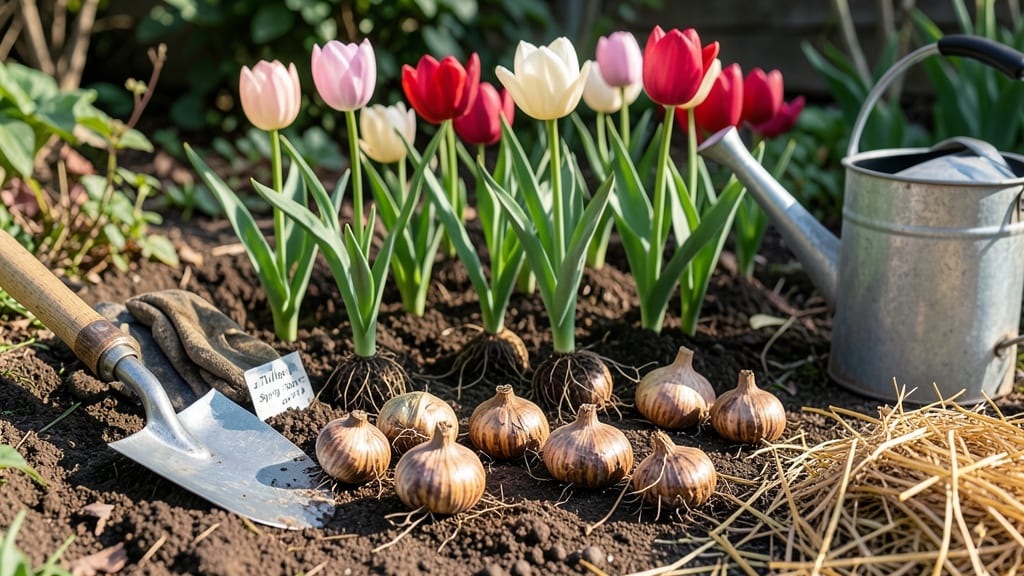
Timing is everything when it comes to planting bulbs in the South—miss the window, and your 🌷 spring blooms might never show up. Unlike cooler climates, Southern gardeners face unique challenges like unpredictable frost dates and scorching summers, making the fall planting window your best shot at success.
If you're in zones 7a-10b, you’ve got a narrow but critical period to get those tulips, daffodils, and hyacinths in the ground—typically between October and December.
But here’s the catch: planting too early or too late can spell disaster, especially in regions like Florida or Texas where frost is rare or nonexistent.
I’ve spent years perfecting the process, and what I’m about to share will help you avoid common mistakes like overwatering, poor soil prep, or planting at the wrong depth.
Whether you’re a first-time gardener or a seasoned pro, these zone-specific deadlines will ensure your bulbs thrive and reward you with vibrant blooms come spring.
Let’s dive into the exact planting schedule for your area, plus pro tips to make sure your bulbs not only survive but flourish in Southern heat. Ready to transform your garden?
Fall bulb planting deadlines by USDA Zone in the South
Timing is everything when planting bulbs in the South—miss the window, and your spring blooms might never appear. Unlike cooler climates, Southern gardeners must work with warmer soil and shorter frost-free periods.
The key is planting bulbs 6-8 weeks before the first hard frost, but exact dates vary by USDA zone and region.
For example, in Zone 7a (e.g., northern Georgia), aim for mid-October to early November—soil temps should be below 60°F (15°C) but not yet freezing. In Zone 10b (e.g., South Florida), you can plant as late as December, since frost is rare.
Gulf Coast areas like Houston or New Orleans (Zone 8-9) have a wider window, from October through December.
Here’s the critical rule: Bulbs need 4-6 weeks of cool soil temps (50-60°F/10-15°C) to root before winter dormancy. Plant too early, and roots may rot in hot, wet soil. Plant too late, and bulbs won’t establish roots before spring growth begins.
Pro tip: Check your local average first frost date (use the USDA Plant Hardiness Zone Map) and count backward. For tulips and daffodils, this means October-November in most of the South. Crocuses and hyacinths, which need less chill time, can go in slightly later.
Southern gardeners also face unique challenges like humidity and pests. Unlike drier climates, bulb rot is a real risk if soil doesn’t drain well. Amend clay-heavy soil with compost or sand to improve drainage, and avoid planting in low-lying areas where water pools.
| USDA Zone | Optimal Planting Window | Soil Temp Goal | Key Notes |
|---|---|---|---|
| 7a (e.g., N. Georgia) | Mid-October – Early November | 50–60°F (10–15°C) | First frost ~Nov 15; plant before soil cools too much. |
| 8a (e.g., S. Georgia, SC) | Late October – December | 55–65°F (13–18°C) | Frost rare; extend window to early December. |
| 9a (e.g., N. Florida, AL) | November – December | 60–70°F (15–21°C) | Humidity high; ensure drainage to prevent rot. |
| 10a (e.g., S. Florida, TX) | December – Early January | 65–75°F (18–24°C) | Frost unlikely; plant deeper (8–10") for stability. |
🌱 Note: Adjust for microclimates (e.g., urban heat islands may need earlier planting).
Regional variations matter more in the South than in cooler climates. For instance, Texas Hill Country (Zone 8b) can plant later than Atlanta (Zone 7b), thanks to milder winters.
Meanwhile, coastal areas like Savannah or Charleston may experience earlier frosts due to maritime influences, so plant bulbs by mid-November.
Don’t overlook bulb depth—planting too shallow can expose bulbs to heat stress or pests. In the South, aim for 3x the bulb’s height (e.g., a 2-inch tulip bulb goes 6 inches deep). Use a trowel or bulb planter for precision, especially in heavy clay soil.
Watering after planting is critical. Give bulbs a deep soak immediately to settle soil around roots, then water weekly until dormancy. In Zone 10+, reduce watering in winter to prevent rot from excess moisture.
Mulch with 2–3 inches of straw or pine needles to insulate bulbs and retain moisture.
Last-chance planting is possible for late bloomers like daffodils, which tolerate slightly warmer soil. If you miss the fall window, consider container gardening—plant bulbs in pots and move them to a cool garage or shaded patio until spring.
Just remember: spring-planted bulbs (like gladiolus or dahlias) are the exception, not the rule, in Southern climates.
Fall bulb planting deadlines by USDA Zone in the South
Planting bulbs in the South isn’t a one-size-fits-all task—your USDA zone dictates the exact window for success. Unlike northern climates, Southern gardeners must work with warmer soil temperatures and unpredictable frost dates.
For example, zones 7a-8b (like Georgia or Alabama) have a broader window than zones 9a-10b (Florida or Texas), where frost is rare or nonexistent.
In most Southern zones, the ideal time to plant spring-blooming bulbs like tulips and daffodils is between October and December.
But here’s the catch: planting too early (like in September) can cause bulbs to sprout prematurely, while waiting too long (January or later) risks them not rooting before summer heat arrives.
| USDA Zone | Planting Window | Soil Temp Goal | Key Notes |
|---|---|---|---|
| 7a-7b (e.g., North Georgia) | October 15 - November 15 | 50-60°F | First frost risk; plant before ground freezes. |
| 8a-8b (e.g., Central Alabama) | October 30 - December 1 | 55-65°F | Light frost possible; prioritize daffodils. |
| 9a-9b (e.g., South Texas) | November 15 - December 15 | 60-70°F | Frost rare; plant deeper (8" for tulips). |
| 10a-10b (e.g., Florida) | December 1 - January 15 | 65-75°F | No frost; use summer bulbs like rain lilies. |
🌱 Pro Tip: Test soil temp with a thermometer—ideal range is 50-65°F for root growth.
For zones 7a-8b, aim to plant bulbs 6-8 weeks before the first frost. In my garden in zone 8a, I mark my calendar for November 1st as the last day to plant tulips—any later, and they risk rotting before spring.
Meanwhile, in zone 10a, where frost is a rarity, I focus on summer-blooming bulbs like dahlias or cannas, which thrive in heat.
One common mistake? Planting bulbs too shallowly. In Southern climates, deeper planting (6-8 inches) protects bulbs from temperature swings and keeps them moist. I’ve seen firsthand how shallow planting leads to premature sprouting in winter, which weakens the bulb.
Use a trowel to dig holes 3x the bulb’s height—trust me, it’s worth the effort.
If you’re in a transition zone (e.g., 8b-9a), like parts of Louisiana or South Carolina, consider container gardening for bulbs that need cold stratification (like hyacinths). This gives you flexibility to move pots indoors if an early freeze threatens.
I’ve successfully overwintered hyacinths in containers with mulch and row covers, and they bloomed just as beautifully the next spring.
Finally, don’t overlook soil prep. Southern soils can be heavy and clay-like, which drains poorly. Amend your beds with compost or sand to improve drainage, and avoid planting bulbs in soggy spots.
A little prep now means vibrant blooms and fewer headaches later. Ready to dig in? Grab your gloves—your spring garden is waiting! 🌷