
Plants
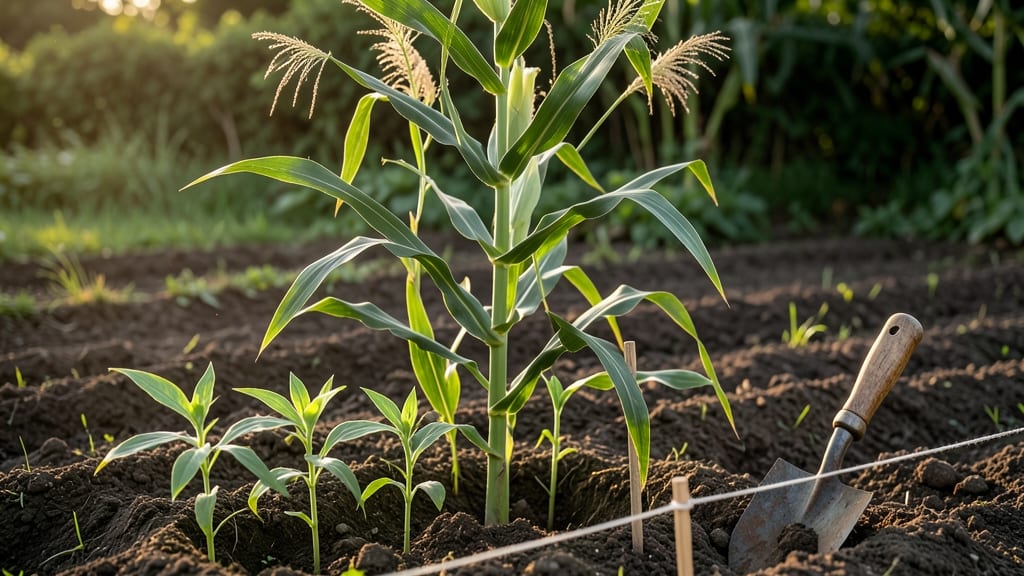
Planting corn in Alabama at the wrong time can mean the difference between a bountiful harvest and wasted effort. Unlike cooler climates, Alabama’s 7b-8b zones demand precise timing—soil temperatures below 60°F can stall germination, while waiting too long risks summer heat stress.
The ideal window spans mid-April to early June, but there’s more to it than just calendar dates.
Most gardeners focus on frost dates, but soil temperature is the real game-changer for fast germination. A simple thermometer check can save you from planting too early when cool soils slow growth or too late when pests like corn earworms thrive.
Let’s break down the exact triggers and regional adjustments that work for Alabama’s unique climate.
You might think Alabama’s long growing season gives you flexibility, but humidity and sudden heat spikes can derail even well-planted corn. I’ll show you how to read your soil’s signals and pick the right variety—whether early-season sweet corn or heat-tolerant field corn—to beat these challenges. Ready to plant with confidence?
From testing soil warmth to avoiding common pitfalls, this guide cuts through the guesswork. By the end, you’ll know exactly when to drop those seeds for maximum success, no matter where in the state you garden. Let’s get those 🌽 sprouts growing!
Optimal Alabama corn planting dates based on soil temperature zones
Alabama’s diverse climate means planting corn varies dramatically from North Alabama’s cooler hills to South Alabama’s humid lowlands. The key? Soil temperature—corn seeds need 50°F+ to germinate, but 60°F+ ensures fast, reliable growth. Here’s how to pinpoint your perfect planting window.
Northern Alabama (USDA Zones 7b-8a, e.g., Huntsville, Decatur) has later frost dates and cooler springs. Gardeners here should wait until mid-April to early May when soil temperatures consistently reach 60°F.
Southern Alabama (Zones 8a-8b, e.g., Mobile, Birmingham) can plant as early as late March, but mid-April is safer for most varieties.
Alabama’s frost-free dates range from March 15 (South) to April 15 (North), but don’t rush! Planting too early risks fungal diseases and slow germination. Always wait 2 weeks after the last frost—corn is frost-sensitive once sprouted.
For North Alabama, prioritize early-mid season varieties like 'Silver Queen' (70 days to harvest) to avoid fall frosts. Southern gardeners can experiment with late-season varieties like 'Country Gentleman' (110+ days) but must plant by mid-April to ensure harvests before November’s first frost.
Pro tip: Use black plastic mulch to warm soil faster in cooler regions. This can shave 1-2 weeks off your planting schedule by raising soil temps by 5-10°F. Just remove it after planting to prevent overheating.
Alabama’s humidity and summer heat can stress corn if planted too late. Aim for harvests by early October to avoid ear rot from prolonged moisture. Late plantings should focus on short-season varieties like 'Early Sunglow' (65 days).
Ever wonder why your corn sprouts but stalls? It’s often soil temperature—not frost—that’s the silent killer. Next, we’ll show you how to test soil temps like a pro to guarantee germination every time. 🌱
Optimal Alabama corn planting dates based on soil temperature zones
Alabama’s varied climate means northern and southern regions have different ideal planting times for corn. While most gardeners focus on frost dates, soil temperature is the real game-changer for germination. Corn seeds need consistent soil temps above 50°F, but they thrive best when soil reaches 60°F or warmer.
In Alabama, this typically aligns with mid-April to early June, but your exact timing depends on your region’s microclimate.
Northern Alabama (USDA zones 7b) tends to have cooler springs, so gardeners there should wait until late April or early May. Southern Alabama (zones 8a-8b) can start as early as mid-to-late March in protected areas, but be prepared for unpredictable late frosts.
The key is balancing frost risk with soil warmth—planting too early in cool soil leads to slow germination or rot, while waiting too long may shorten your harvest window.
| Region | Last Frost Date | Ideal Planting Window | Soil Temp Threshold | Corn Variety Recommendation |
|---|---|---|---|---|
| Northern Alabama (Huntsville, Decatur) | March 20-April 5 | Late April to early May | 60°F+ | Early-mid season (e.g., 'Silver Queen') |
| Central Alabama (Birmingham, Montgomery) | March 10-April 1 | Mid-April to late April | 58°F+ | Mid-season (e.g., 'Peaches and Cream') |
| Southern Alabama (Mobile, Dothan) | February 28-March 15 | Mid-to-late March | 55°F+ | Early-late season (e.g., 'Golden Bantam') |
For gardeners in Southern Alabama, you can even squeeze in a second planting in early June for a fall harvest. However, this requires fast-maturing varieties (60-70 days to maturity) to avoid frost damage.
In Northern Alabama, focus on one main planting in late April to ensure your corn has enough time to mature before the first frost in November. Pro tip: Use a soil thermometer to confirm your soil is ready—don’t rely solely on calendar dates!
Another critical factor is day length. Corn grows best with 14+ hours of daylight, which Alabama typically hits by late May. If you plant too early (before late May), your corn may grow tall but produce small, underdeveloped ears.
This is why many Alabama gardeners prefer mid-April to early May plantings—it gives your corn enough time to pollinate and set ears before the heat of summer slows growth.
If you’re unsure about your local frost dates, check the Alabama Cooperative Extension System or use a frost calendar app like PlantMap. These tools factor in your specific zip code to give you the most accurate planting windows.
Remember, corn is a warm-season crop, so rushing it by planting too early rarely pays off. Patience—and a soil thermometer—will give you the best results.
For those in urban areas with limited space, consider bush varieties like 'Golden Bantam,' which mature faster and don’t require as much room as traditional corn. These can be planted slightly later (early May) and still yield a harvest before frost.
No matter where you are in Alabama, always plant after the last frost date and when soil temps are consistently warm—your corn will thank you with plump, sweet kernels!