
Plants
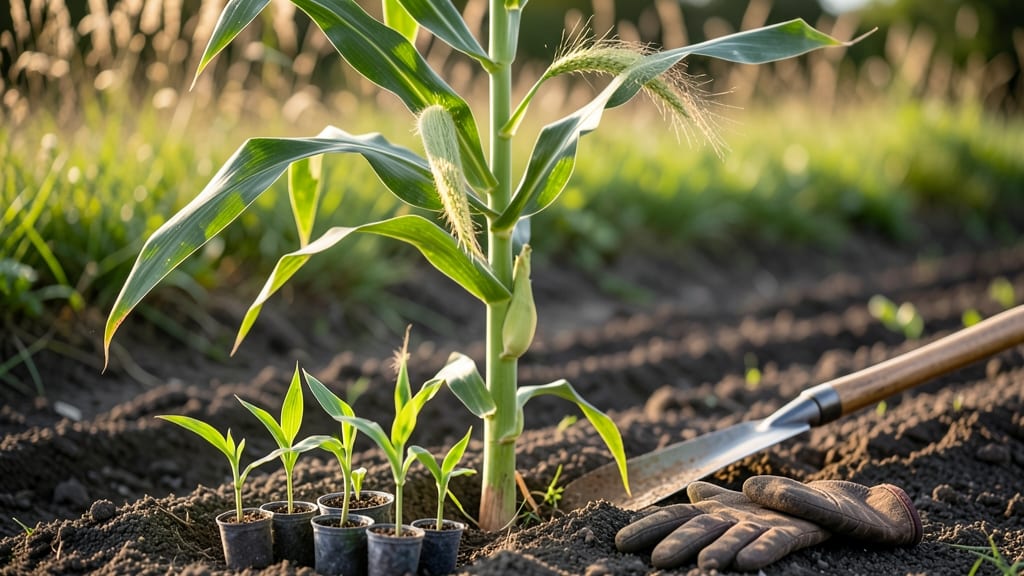
Timing your 🌽 corn planting in Indiana right can mean the difference between a bumper crop and a disappointing harvest. With Indiana's 6a zone climate and unpredictable spring weather, knowing when to put those seeds in the ground is more science than guesswork.
Most Indiana gardeners wait until after the last frost date—typically around mid-April—but soil temperature matters just as much. Corn needs warm soil, ideally 60°F or above, to germinate properly. Planting too early risks stunted growth, while waiting too long cuts your harvest window short.
In this guide, I'll break down the optimal planting window for Indiana's hardiness zones, share soil temperature tips, and help you adjust for late springs or early frosts. Whether you're a first-time grower or a seasoned farmer, these insights will give your corn the best possible start.
Let's dive into the exact dates, soil prep steps, and variety recommendations that work for Indiana's climate—so you can enjoy fresh ears from July through September.
Indiana corn planting dates by hardiness zone (soil temp & frost deadlines)
Indiana spans USDA hardiness zones 5a through 6b, meaning corn planting dates vary by 10–14 days across the state. The golden rule? Wait until soil temperatures hit 50°F (10°C) consistently—corn seeds won’t germinate below this.
For most of Indiana, that means aiming for late April to mid-May, but northern zones (like 5a) may need to wait until early May.
Frost is corn’s biggest enemy. Indiana’s average last spring frost date ranges from April 15 in southern zones (6a) to May 1 in northern zones (5a).
Planting too early risks seedling death, while waiting too long can reduce yields. Balance these factors with your local microclimate—urban areas may warm faster than rural fields.
Here’s your zone-by-zone breakdown, including soil temp thresholds, frost-free deadlines, and ideal planting windows for Indiana’s most popular corn varieties. Use this as your guide to avoid common mistakes like overplanting before warm soil or missing the optimal window.
| Zone | Avg. Last Frost | Soil Temp Threshold | Early Planting | Optimal Planting | Late Planting |
|---|---|---|---|---|---|
| 5a (Northern IN) | May 1 | 50°F+ (10°C) | May 10–15 | May 20–25 | June 1 (risky) |
| 5b (Central-North IN) | April 25 | 50°F+ (10°C) | April 25–May 5 | May 10–15 | May 30 |
| 6a (Southern IN) | April 15 | 50°F+ (10°C) | April 15–25 | April 30–May 10 | May 20 |
| 6b (Southeast IN) | April 5 | 50°F+ (10°C) | April 5–15 | April 20–30 | May 10 |
🌱 Pro Tip: Use a soil thermometer to confirm temps—surface soil can be warmer than root zone.
For northern Indiana (zones 5a–5b), prioritize early-maturing varieties (85–95 days) to avoid fall frost cutting harvests short. In southern Indiana (6a–6b), you can push the envelope with slightly later plantings (up to May 20) for varieties needing 100+ days to mature.
Indiana’s unpredictable spring weather can throw off even the best-laid plans. If a late frost hits after planting, cover seedlings with row fabric or old blankets until temps rise.
Conversely, if soil stays cold past your target date, consider black plastic mulch to warm the ground faster—this can shave off 5–7 days of waiting.
Don’t forget: Corn thrives in warmth, but it also needs consistent moisture during germination. If you plant too late (after June 1), yields will suffer due to shorter daylight hours and heat stress.
Use this table as your baseline, but always check your local Almanac or Purdue Extension for microclimate adjustments.
Once
How to adjust corn planting for Indiana’s unpredictable spring weather
Indiana’s spring weather can throw even the most experienced gardeners for a loop—one day it’s 70°F and sunny, the next it’s 30°F with frost warnings. If you’ve ever planted corn only to watch seedlings freeze overnight, you know how quickly plans can go sideways.
The key is flexibility: knowing when to push planting dates, how to protect young plants, and which corn varieties tolerate cold snaps.
Most Indiana gardeners rely on soil temperature (not air temperature) as their go-to guide. Corn seeds need soil to stay above 50°F for germination, but roots won’t thrive until it hits 60°F consistently.
A late spring? Use black plastic mulch or row covers to warm the soil faster. A sudden cold snap? Have a backup planting date ready—usually 2–3 weeks after your original plan.
Here’s the hard truth: No single planting date works for all of Indiana. Northern zones (like 5a in Gary) may need to wait until May 1–15, while southern zones (like 6b in Evansville) can start as early as mid-April.
But if your soil is below 50°F in May, don’t rush—waiting a week can save your entire crop.
⚠️ Late Spring? Don’t Panic—But Act Fast!
Cold soil + late frost is a deadly combo for corn. If your usual planting window passes and soil temps stay low:
- Use row covers to raise soil temps by 5–10°F and protect seedlings.
- Switch to cold-tolerant varieties like ‘Early Sunglow’ (85 days) or ‘Golden Bantam’ (75 days).
- Plant shallow (1–1.5 inches deep)—cooler topsoil speeds germination.
- Have a succession planting plan for June if early crops fail.
Pro Tip:
Buried soil thermometers (or even a DIY thermometer from a hardware store) are your best friends. Check temps 1 inch deep in the morning—if it’s below 50°F for 3+ days, hold off.
Another Indiana-specific challenge? Humidity and fungal diseases. If you’re planting in May or June, watch for corn smut or leaf blight, which thrive in Indiana’s damp air. To mitigate risks, avoid overhead watering and choose disease-resistant hybrids like ‘Pioneer Brand 39T03’ or ‘Golden Queen’.
For gardeners in urban or microclimate hotspots (like Indianapolis’ downtown or lake-effect areas near Michigan), soil can warm 1–2 weeks earlier than rural zones. Test your spot with a soil thermometer for 3–5 days—if it’s consistently 60°F by late April, you’re golden.
Otherwise, play it safe and wait until mid-May.
Finally, remember: Corn loves heat, but it hates hurry-up planting. Rushing seeds into cold soil leads to poor root development and stunted stalks. If you’re unsure, plant a test row 2 weeks before your target date—if those seedlings thrive, the rest of your crop will too.
And if all else fails? Succession plant in June with fast-maturing varieties like ‘Silver Queen’ (70 days).