
Plants
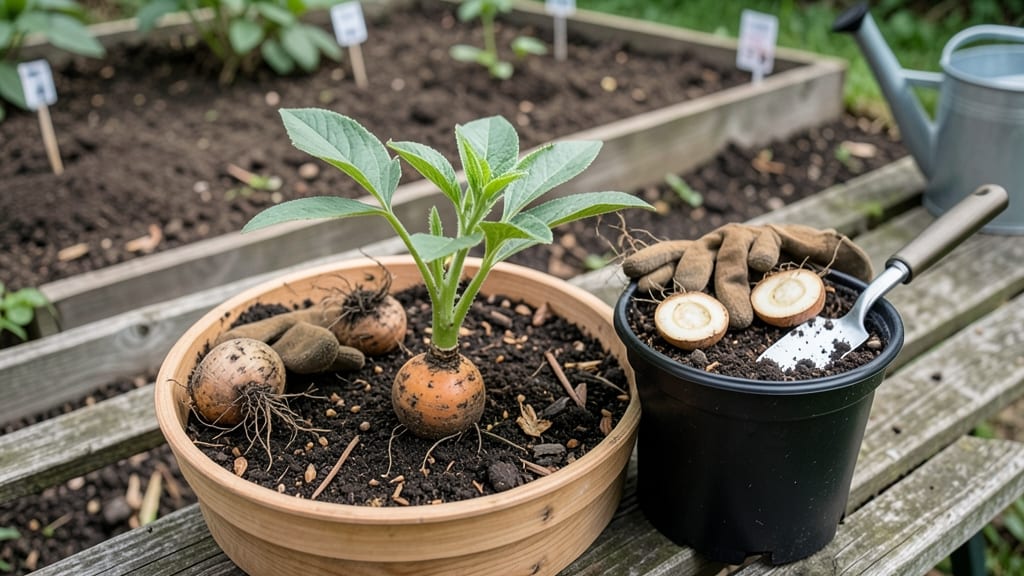
Timing your dahlia planting in the UK after the last frost is the key to vibrant blooms all summer—or risk frozen tubers and wasted effort. Whether you're in sunny Cornwall or cooler Scotland, getting this right ensures your 🌼 dahlias thrive from their first leaves to their final autumn display.
Most UK gardeners plant between mid-April and mid-May, but regional differences matter. In milder zones like 8-9, you might start as early as late March under cover, while colder areas should wait until late May to avoid frost damage.
The secret? Watch for soil temperatures rising above 10°C (50°F)—that's your green light.
Preparing your tubers properly makes all the difference. Chitting (pre-sprouting) indoors gives you a head start, while hardening them off outdoors toughens young shoots before transplanting. With the right prep, your dahlias will establish roots quickly and reward you with months of bold flowers from July to October.
Once planted, focus on staking early and watering deeply in the morning to keep stems strong and soil moist. Skip the guesswork—this step-by-step guide covers everything from regional planting windows to post-planting care, so you can enjoy a showstopping display without the common mistakes.
UK dahlia planting dates by region: avoid frost and maximize blooms
Timing is everything when planting dahlias in the UK. A late frost can kill tender tubers, while planting too early risks stunted growth. The key is to wait until after your region's last average frost date, typically mid-April to early May.
However, UK microclimates vary dramatically—coastal areas warm faster than inland spots, and Scotland's highlands lag behind England's southeast.
For most gardeners, late May is a safer bet if early spring is chilly. In milder regions like Cornwall or the Isle of Wight, you might plant as early as mid-April.
Northern Ireland and Scotland's highlands often need to wait until early June. Always check your local Met Office frost forecasts for precise timing.
Here’s how to adjust planting dates based on your UK region, including microclimate tips:
| Region | Last Frost Date (Avg.) | Ideal Planting Window | Microclimate Adjustments |
|---|---|---|---|
| Southeast England (London, Kent) | Early April | Late April – Early May | Urban areas: 1 week later; coastal: 1 week earlier |
| Midlands (Birmingham, Manchester) | Mid-April | Late April – Mid-May | Valleys: 1 week later; hills: 1 week earlier |
| Northwest England (Lake District) | Late April | Early May – Mid-May | Mountainous areas: Wait until June |
| Scotland (Edinburgh, Highlands) | Early May | Late May – Early June | Highlands: June; coastal: Late May |
| Wales (Cardiff, Snowdonia) | Late April | Early May – Mid-May | Valleys: 1 week earlier; mountains: 2 weeks later |
| Northern Ireland (Belfast) | Early May | Late May – Early June | Coastal: Late May; inland: June |
If you’re unsure about your local frost risk, use a minimum soil thermometer—dahlias thrive when soil temps reach 10°C (50°F). Stick it 5cm deep for accurate readings. Pro tip: Black plastic mulch can warm soil by 3-5°C, helping you plant earlier in cooler regions.
For late varieties or areas with unpredictable springs, consider starting tubers under cover in March. Use a greenhouse or cold frame to give them a head start. Just ensure they’re hardened off before transplanting outdoors in late May or June.
Once planted, dahlias need 6+ hours of sun daily and well-drained soil to prevent rot. In shady gardens, opt for dwarf varieties like 'Bishop' or 'Little Princess', which tolerate partial shade better than tall types.
Remember: Dahlias are tender perennials in the UK. If frost hits after planting, cover them with fleece or cloches until danger passes. With the right timing, you’ll enjoy vibrant blooms from July to October—worth the wait!
How to prepare dahlia tubers for UK planting: step-by-step hardening process
Preparing your dahlia tubers properly before planting in the UK is just as important as timing. Skipping this step often leads to weak stems, stunted growth, or even plant failure.
I’ve learned the hard way—my first attempt at planting unhardened tubers resulted in floppy stems that snapped in the first wind! The key is to chit, cut, and harden your tubers gradually to mimic outdoor conditions.
Start by chitting tubers indoors 6-8 weeks before your target planting date. Place them in a cool, bright spot (around 10-15°C) with the "eyes" facing upward.
This encourages early shoots, giving your dahlias a head start. Use a seed tray or egg cartons to keep them organized and prevent rot.
Once shoots reach 5-7cm tall, it’s time to cut the tubers. Separate each tuber into individual sections, ensuring each has at least one healthy eye and a few roots.
Let the cuts dry for 24 hours to prevent rot—this is a common mistake that can kill your tubers before they even hit the soil.
🌱 Step-by-Step Hardening Process
- Week 1-2: Move trays outdoors to a shaded spot for 2-3 hours daily. Gradually increase exposure to direct sunlight over 7-10 days.
- Week 3: Introduce wind exposure by placing trays near a sheltered wall or fence. This toughens stems for outdoor conditions.
- Week 4: Reduce watering slightly to acclimate roots to drier soil. Dahlias hate soggy feet, so mimic natural drying cycles.
- Final Week: Plant tubers in their permanent spot after a frost-free night. Water deeply to settle soil around roots.
Hardening isn’t just about sunlight—it’s also about temperature fluctuations. UK mornings can be chilly even in summer, so avoid planting until nighttime temperatures stay above 10°C (50°F). I test this by checking my local Met Office frost warnings and waiting until the 7-day forecast shows consistent warmth.
One pro tip: If your tubers arrive dormant, soak them in lukewarm water for 24 hours before chitting. This kickstarts growth and helps identify any rotten sections. Discard any tubers that feel mushy or smell off—this saves time and heartache later.
After hardening, your dahlias should look vigorous and resilient. Look for deep green leaves, firm stems, and roots that cling to soil when gently tugged. These are signs your plants are ready to thrive in the UK garden and reward you with months of stunning blooms.