
Plants
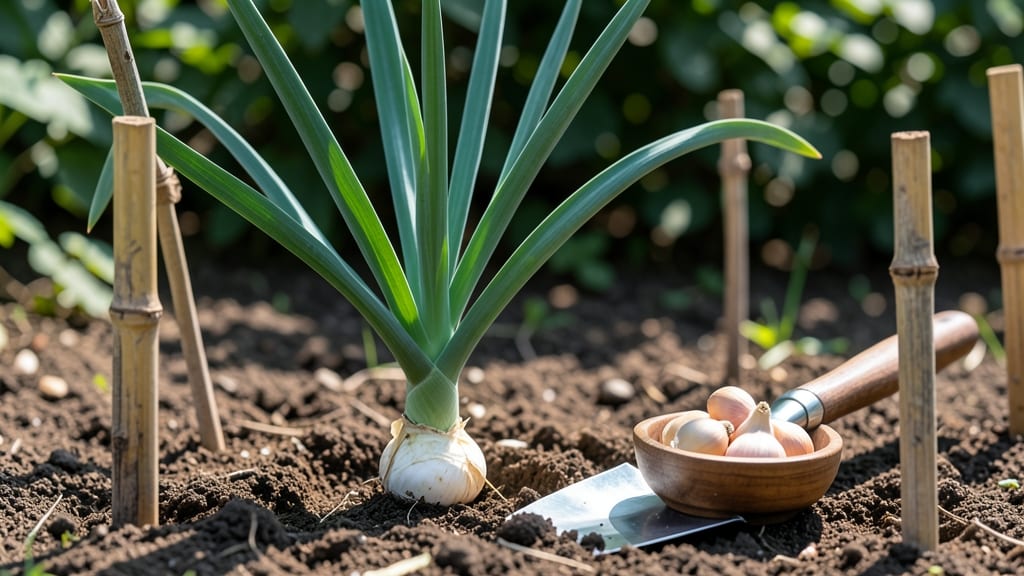
Planting garlic in Oregon at the wrong time can mean the difference between a bumper crop and a total flop—especially when hardneck and softneck varieties have completely different needs. With Oregon’s 7b-9a zones and microclimates ranging from coastal fog to Willamette Valley frost, timing isn’t just about the calendar.
The key? Planting 🧄 between October and November when soil temps drop but before winter’s first freeze locks things in.
If you’ve ever wondered why your neighbor’s garlic thrives while yours struggles, it’s likely a matter of variety and local conditions.
Hardneck garlic, the classic choice for Oregon’s cold winters, needs to be in the ground 4-6 weeks before freezing—think early October for Portland or late November near the coast. Softneck, meanwhile, is more forgiving but still benefits from a fall start to establish strong roots before winter dormancy.
Here’s the game-changer: Oregon’s rainy season and variable frost dates mean you can’t rely on a one-size-fits-all approach. Whether you’re in Eugene’s milder zone 8a or Bend’s cooler 7b, we’ll break down the exact windows, soil prep tricks, and how to adjust for your specific microclimate.
No more guessing—just a foolproof plan for the best harvest from late June to July.
Ready to grow plump, flavorful bulbs? Let’s dive into the perfect planting schedule for your Oregon garden, so you can enjoy homegrown garlic that puts store-bought to shame. Spoiler: It starts with the right timing—and ends with a pantry full of cloves.
Best planting months for garlic in Oregon by variety (hardneck vs softneck)
Oregon’s USDA zones 7b-9a create ideal conditions for growing garlic, but the right planting window depends on whether you’re growing hardneck or softneck varieties. Hardnecks thrive in colder winters, while softnecks prefer milder climates.
In Oregon, this means timing your plantings to avoid late frosts that can damage emerging shoots or early harvests that result in small bulbs.
For most of Oregon—including Portland, Eugene, and the Willamette Valley—the ideal planting window is between mid-October and mid-November. This gives garlic cloves enough time to establish roots before the ground freezes.
However, coastal areas like Astoria or Newport may need to plant slightly earlier (late September) due to milder winters, while inland areas like Bend or La Grande can wait until early November.
Here’s the key difference: Hardneck garlic (like ‘German White’ or ‘Music’) needs cold vernalization to form bulbs, so it must be planted in fall. Softneck garlic (like ‘Silverskin’ or ‘Artichoke’) can handle milder winters and sometimes tolerates spring planting, but fall planting still yields the best results in Oregon’s climate.
Before planting, chit your cloves—place them in a cool, dark spot for 2-4 weeks to encourage sprout growth. This step is especially critical for hardneck varieties, which need a head start before Oregon’s winter rains and cool temperatures slow growth.
Soil prep is just as important as timing. Oregon’s volcanic soil often needs amendments to achieve the pH of 6.0-7.0 garlic prefers. Work in compost or aged manure and ensure your garden bed has well-draining soil to prevent rot. Avoid fresh manure, which can burn garlic’s delicate roots.
If you’re in USDA zone 9a (like parts of Southern Oregon), you can push planting to early December for softneck varieties, but hardnecks will struggle to mature properly.
Always check your local frost dates—Portland’s last frost is typically late October, while Eugene’s can linger into early November.
| Variety | Best Planting Window | Chitting Required? | Oregon-Specific Notes |
|---|---|---|---|
| Hardneck (e.g., 'German White', 'Music') | Mid-October to mid-November | Yes (2-4 weeks) | Needs cold winters; ideal for zones 7b-8a. Plant 4-6 weeks before first frost. |
| Softneck (e.g., 'Silverskin', 'Artichoke') | Late October to early December | Optional (but recommended) | Tolerates milder winters; best for zones 8b-9a. Can handle later planting. |
The Willamette Valley’s marine climate means consistent rainfall after planting, so focus on well-draining soil to prevent waterlogged cloves. If your garden sits in a low-lying area, consider raised beds to improve drainage. Mulch with straw or leaves after planting to protect cloves from freeze-thaw cycles and retain moisture.
One common mistake in Oregon is planting too late, which leads to small, weak bulbs. If you miss the fall window, you can try spring planting (February-March), but expect smaller yields and softer necks in softneck varieties.
For hardnecks, spring planting is not recommended—they won’t develop properly without winter chilling.
Pro tip: Mark your planting spots with stakes or flags so you don’t accidentally dig up garlic cloves when prepping the garden for spring. Oregon’s wet winters can make beds harder to navigate, so clear pathways or use boardwalks if needed.
Best planting months for garlic in Oregon by variety (hardneck vs softneck)
Oregon’s cool, wet winters and varied USDA zones 7b-9a create the perfect conditions for garlic—but only if you plant at the right time. Hardneck varieties, like 'German White' or 'Silverskin', thrive in Oregon’s cold winters and need to be in the ground 4-6 weeks before freezing.
That means early October for Portland (zone 8a) and mid-November near the coast (zone 9a), where frost arrives later.
Softneck varieties, such as 'Artichoke' or 'California Early', are more flexible but still benefit from a fall start. They can handle milder winters and even tolerate late fall planting (December in zones 8-9), but they won’t develop large bulbs if planted too late.
The key is balancing soil temperature (ideally 40-50°F) with frost dates to ensure roots establish before winter dormancy.
Here’s the visual breakdown of when to plant each variety in Oregon’s most common zones, including pre-chitting tips and soil prep:
| Variety | Best Planting Window | USDA Zones | Pre-Chitting? | Soil Prep |
|---|---|---|---|---|
| Hardneck (e.g., 'German White', 'Chesnok Red') | Early October - Mid-November | 7b-8b | Yes (4-6 weeks before planting) | Loose, well-drained, pH 6.0-7.0 |
| Softneck (e.g., 'Artichoke', 'California Early') | October - December | 8a-9a | No (optional for late planting) | Rich, fertile, pH 6.0-7.0 |
| Elephant Garlic (e.g., 'Inchelium Red') | Late September - Early November | 7b-9a | No (plant directly) | Deep, loose soil, pH 6.0-7.0 |
For coastal Oregon (e.g., Astoria, Cannon Beach), where winters are milder and frost arrives later, you can push planting to mid-November. Inland areas like Bend or La Pine (zone 7b) should plant by early October to avoid winter kill.
Pro tip: Use a soil thermometer to confirm temps are below 60°F—this signals it’s time to plant.
One mistake I see often is planting garlic too early (August-September), which leads to bolting (premature flowering) or weak bulb development. Hardneck garlic, in particular, needs cold vernalization to form bulbs, so timing is critical.
If you’re unsure about your local frost date, check the Oregon State University Extension frost maps or use 4-6 weeks before average first frost as your guide.
Once planted, mulch with straw or leaves to insulate bulbs during winter and prevent heaving (when soil freezes and pushes garlic out of the ground). In spring, remove mulch as temps rise to 50°F to encourage top growth.
With the right timing, you’ll harvest plump, flavorful bulbs by late June or July—just in time for summer cooking! 🧄