
Plants
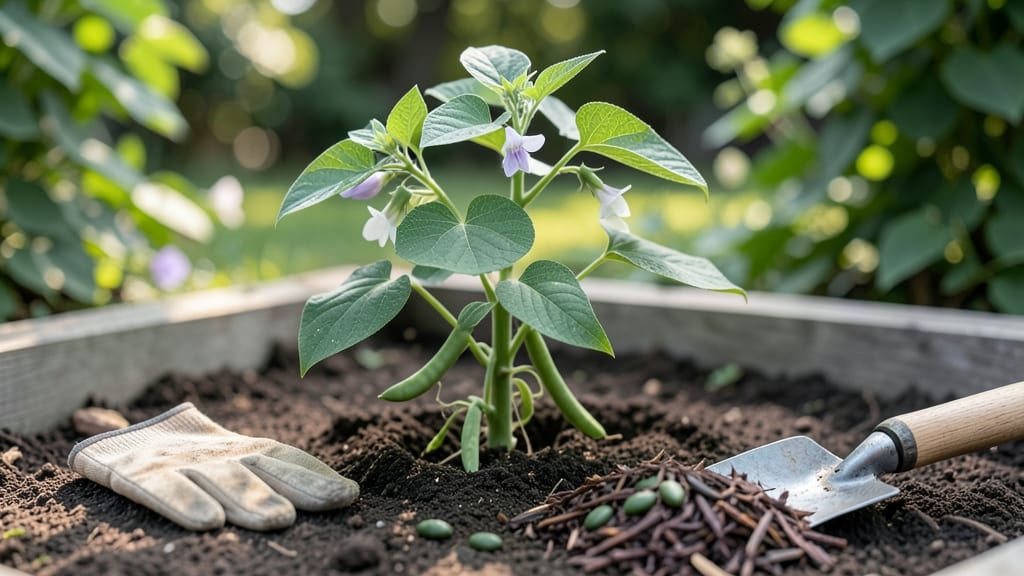
If you've ever stared at your Missouri garden calendar wondering "when do you plant green beans in Missouri", you're not alone. The difference between a bountiful harvest and wasted effort often comes down to one critical factor: soil temperature—not just the date on your planner.
Missouri's 5b-6b climate means frost can linger until mid-April, but rushing to plant too early risks seed rot in cold soil. Meanwhile, waiting too long cuts your harvest window short. The sweet spot? When soil reaches 55-65°F, ensuring reliable germination and strong starts for your 🌱 green beans.
I'll show you exactly how to time your planting—whether you're direct sowing seeds or transplanting starts—plus which varieties thrive in Missouri's heat and humidity. No more guessing games, just data-backed dates for your best bean crop yet.
Ready to transform your garden's potential? Let's dive into the temperature triggers that will have your green beans thriving from July through September.
Missouri green bean planting dates by soil temperature (not calendar months)
Missouri’s USDA Zones 5b-6b create a tricky balance for green bean planting—calendar dates alone won’t cut it. Instead, focus on soil temperature, which must reach 55-65°F for reliable germination. Cold soil delays sprouting, while waiting too long risks late-season pests or poor yields.
Most Missouri gardeners aim for April 15 to May 15 as their primary planting window, but this shifts slightly depending on your microclimate. Urban areas like St. Louis may need to wait until mid-May due to heat islands, while rural zones in the Ozarks can start earlier.
Green beans thrive in warm soil, so avoid planting until the ground consistently stays above 55°F at 2-inch depth. A late frost in Zone 5b (like those in early April) can devastate young seedlings, while Zone 6b areas often have a 2-week earlier window.
Here’s the critical rule: Never plant green beans when nighttime temperatures dip below 50°F. Even cold-hardy varieties like 'Kentucky Wonder' struggle to germinate in chilly soil, leading to spotty or nonexistent harvests.
For a second harvest, you can plant a heat-tolerant variety like 'Contender' in late June to early July, but expect smaller yields before the first frost (mid-October). This strategy works best in southern Missouri where summers are longer.
Missouri’s frost-free growing season averages 165 days, but this varies by location. Use local frost date data from sources like the Missouri Climate Center to adjust your timeline. For example, Southeast Missouri (Zone 6b) can push planting to early June for a fall crop.
If you’re unsure about soil temps, use a soil thermometer for 3 consecutive days above 55°F before planting. This small investment prevents wasted seeds and ensures your green beans thrive from the start.
Here’s how Missouri’s planting windows compare by soil temperature and variety type:
| Planting Window | Soil Temp Requirement | Bush Bean Varieties | Pole Bean Varieties | Missouri Zone Notes |
|---|---|---|---|---|
| Early Spring (Zone 6b) | 55-60°F | Blue Lake, Tendercrop | Kentucky Wonder, Rattlesnake | Best for SE Missouri; start by April 15 |
| Standard Spring (Zone 5b) | 60-65°F | Provider, Derby | Contender, Blue Lake Pole | Wait until May 1 for most areas |
| Late Summer (Fall Crop) | 60°F+ | Blue Lake Bush | Mascotte, Blue Lake Pole | Plant by July 15 for harvest before frost |
Pro tip: Black plastic mulch can warm soil by 5-10°F, letting you plant 1-2 weeks earlier in cooler Missouri zones. Lay it down 1 week before planting to maximize heat absorption.
Missouri’s humidity also plays a role—high moisture can delay soil warming, so monitor soil temps daily in wet springs. If your soil stays below 55°F for more than 7 days, hold off planting until conditions improve.
Remember, pole beans need a longer growing season than bush beans, so prioritize them in your earliest plantings. Save bush varieties for late-season succession plantings if you want a quick harvest before frost.
🌱
Missouri green bean planting dates by soil temperature (not calendar months)
Missouri’s USDA Zones 5b-6b create unique challenges for green bean growers. Unlike calendar-based planting guides, soil temperature determines success—green beans need 55-65°F soil to germinate reliably.
In Missouri, this typically aligns with mid-April to mid-May, but urban areas like St. Louis may need 2-3 weeks later due to heat island effects.
Cold soil delays germination, while late planting after June 1 risks bean pod maggot infestations and stunted growth. Missouri’s last frost date (around April 15) is just one factor—soil warmth is the true trigger for planting.
For pole beans, which take longer to mature, earlier planting (by 2 weeks) is ideal compared to bush beans.
| Planting Window | Soil Temp Requirement | Missouri Region | Risk Factors |
|---|---|---|---|
| April 15–May 1 | 55–60°F (germination) | Southern MO (Zones 6a-6b) | Late frosts (after April 15) |
| April 25–May 10 | 60–65°F (optimal) | Central MO (Zones 5b-6a) | Slow soil warming in clay soils |
| May 1–May 15 | 65°F+ (fast germination) | Northern MO (Zones 5a-5b) | Bean pod maggots (late season) |
| June 1–July 15 | 70°F+ (late planting) | All regions (heat-tolerant varieties) | Reduced yield, smaller pods |
For fall harvests, Missouri gardeners can attempt a late summer planting (around July 15) using heat-tolerant varieties like 'Contender' or 'Blue Lake.' However, this window is risky due to early October frosts (typically by October 15).
Success depends on soil moisture retention and row covers to extend the season by 2-3 weeks.
Pro tip: Use black plastic mulch to warm soil 5-10°F faster in cooler microclimates. This technique lets you plant 2 weeks earlier in Zone 5b areas without frost risk. Always test soil temperature at 4-inch depth—surface temps can mislead you by 10°F or more.
Missouri’s humidity levels (especially in summer) also affect planting. High humidity increases fungal diseases like white mold, so spaced planting (3-4 inches apart) and good air circulation are critical. If your area has heavy clay soil, amend with compost to improve drainage and warmth retention.
Remember: Green beans are sensitive to transplant shock, so direct sowing is preferred. If starting indoors, harden off seedlings for 7-10 days before transplanting after your last frost date. For Missouri’s Zone 5b-6b, this means waiting until soil temps consistently stay above 55°F—not just air temps.