Plants
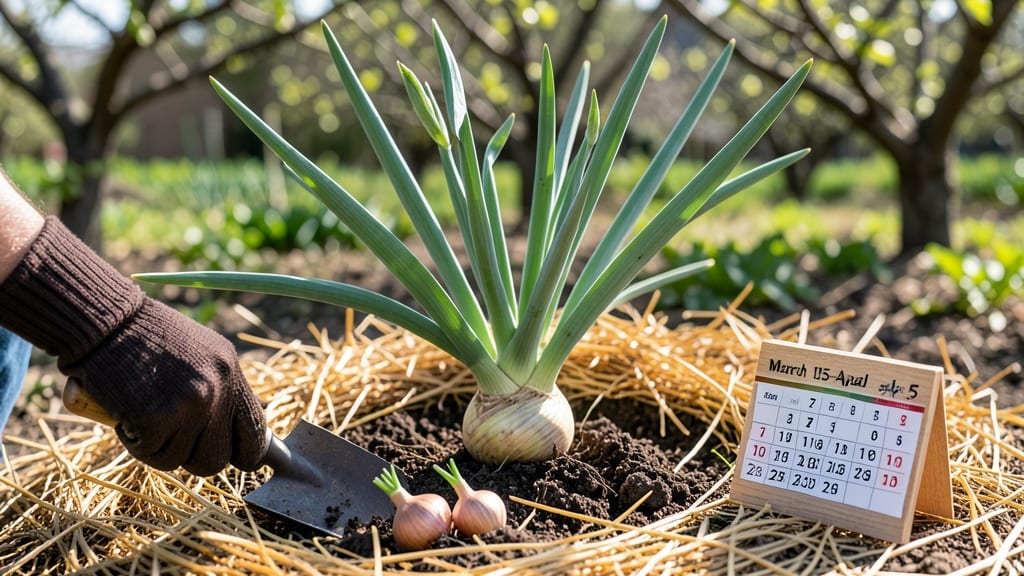
Knowing when to plant onions in Oklahoma can mean the difference between a bumper crop of sweet, flavorful bulbs and a frustrating garden fail. With the right timing, you’ll avoid bolting (that bitter, flower-stalk nightmare) and enjoy fresh 🧅 harvests twice a year—once in summer and again in fall.
Oklahoma’s 6a-8a climate zones create unique challenges, from early spring freezes in the north to longer growing seasons in the south. Whether you’re planting sets or seeds, the key is aligning your schedule with soil temperatures and frost dates—both of which vary wildly across the state.
In this guide, I’ll break down the exact planting windows for spring and fall, plus pro tips for choosing the right onion varieties (short-day vs. intermediate-day) that thrive in Oklahoma’s heat and humidity. No more guessing—just science-backed timing for zero regrets.
Ready to grow onions that actually form bulbs instead of flowers? Let’s get started with the perfect planting calendar tailored to your corner of Oklahoma.
Oklahoma’s ideal onion planting windows: spring vs fall breakdown
Oklahoma’s 6a-8a climate zones create distinct planting challenges for onions, where timing can make or break your harvest. The key is understanding short-day vs. intermediate-day varieties—most Oklahoma gardeners thrive with intermediate-day onions like 'Texas Early White' or 'Yellow Granex', which adapt to our 10-14 hour daylight windows.
For spring planting, aim for 4-6 weeks before your last frost date (typically late February to early April in most of Oklahoma). This gives onions time to establish roots before soil warms to 50°F+, the ideal temperature for bulb formation.
In USDA Zone 6a (north OK), plant by March 15; in Zone 8a (south OK), you’ve got until April 1.
Fall planting is trickier—August to early September is your sweet spot. Plant too early, and onions may bolt prematurely from heat stress.
Too late, and they won’t mature before frost. Short-day varieties like '1015Y Yellow' handle Oklahoma’s fall heat better but still need 90-120 days to harvest before first frost (Nov 15).
Here’s how Oklahoma’s microclimates affect your timing:
| Region | USDA Zone | Spring Planting Window | Fall Planting Window | Best Varieties |
|---|---|---|---|---|
| North OK (Tulsa, OKC) | 6a | Late Feb - March 15 | Aug 15 - Sept 1 | Texas Early White, Red Creole |
| Central OK (Stillwater) | 7a | Late Feb - March 31 | Aug 1 - Sept 10 | Yellow Granex, Candy |
| South OK (Lawton, Altus) | 8a | March 1 - April 15 | Aug 15 - Sept 20 | 1015Y Yellow, Texas Super Sweet |
Soil temperature is your secret weapon against bolting. Use a soil thermometer to confirm 50°F+ before planting—any colder, and roots struggle. In spring, wait until daytime highs consistently hit 60°F; in fall, plant when soil cools to 70°F after summer heat peaks.
Pro tip: Prep your soil 2-3 weeks early by amending with compost and a balanced 5-10-10 fertilizer. Onions hate soggy soil—ensure well-draining beds with a pH of 6.0-7.0. If your soil tests higher, add sulfur to sweeten the bulbs and prevent bitterness.
For spring sets (pre-grown bulbs), plant 1 inch deep, 4 inches apart in rows 12 inches apart. For fall seeds, start indoors 8-10 weeks before transplanting (late June) to beat the heat. Direct-sow seeds in fall only if your soil stays below 80°F—hotter temps trigger bolting.
Remember: Oklahoma’s heat and humidity push onions to bolt faster than in cooler climates. Stick to these windows, and you’ll avoid the bitter disappointment of flower stalks instead of bulbs. Next, we’ll dive into a month-by-month planting calendar with frost date reminders and row cover hacks to extend your season.
Oklahoma’s ideal onion planting windows: spring vs fall breakdown
Oklahoma’s USDA zones 6a-8a create distinct planting windows for onions. In northern Oklahoma (6a), the last frost typically arrives around March 15, while southern Oklahoma (8a) sees it as early as March 1.
This 4-week difference means your planting schedule should adjust based on your location to avoid cold damage or bolting.
For spring planting, aim to plant onion sets or seeds 4-6 weeks before your last frost date. This means late February to early March in northern areas and early to mid-February in southern Oklahoma.
Fall planting should occur 8-10 weeks before the first frost, which translates to August to early September statewide.
Soil temperature is just as critical as frost dates. Onions thrive when soil reaches 40°F (4°C)—warmer than many gardeners assume. Use a soil thermometer to confirm readiness, especially in cooler microclimates like the Oklahoma Panhandle.
Onion Planting Comparison: Spring vs Fall in Oklahoma
| Factor | Spring Planting | Fall Planting |
|---|---|---|
| Planting Window | Late Feb - Early Apr | Aug - Early Sep |
| Soil Temp Requirement | 40°F+ (4°C+) | 50°F+ (10°C+) |
| Variety Recommendation | Intermediate-day (e.g., 'Texas Early White') | Short-day (e.g., '1015Y Yellow') |
| Frost Sensitivity | Low (tolerates light frost) | Moderate (avoid early frost) |
| Harvest Window | June - July | Oct - Nov |
Choose intermediate-day varieties for spring to prevent bolting in Oklahoma's long days.
Oklahoma’s summer heat (often exceeding 90°F/32°C) can stress onions if planted too late in spring. For fall crops, prioritize short-day onion varieties like '1015Y Yellow' or 'Texas Early White' to prevent premature bolting during Oklahoma’s shorter autumn days.
Pro tip: Test your soil pH before planting—onions prefer 6.0-7.0. Oklahoma’s clay-heavy soils often need compost or sulfur to adjust pH. Amend beds in late winter for spring planting or late summer for fall.
Remember: Fall-planted onions need 8-10 weeks of growth before frost. In USDA zone 6a, this means planting by August 15 for a late-October harvest. In zone 8a, you have until early September.