
Plants
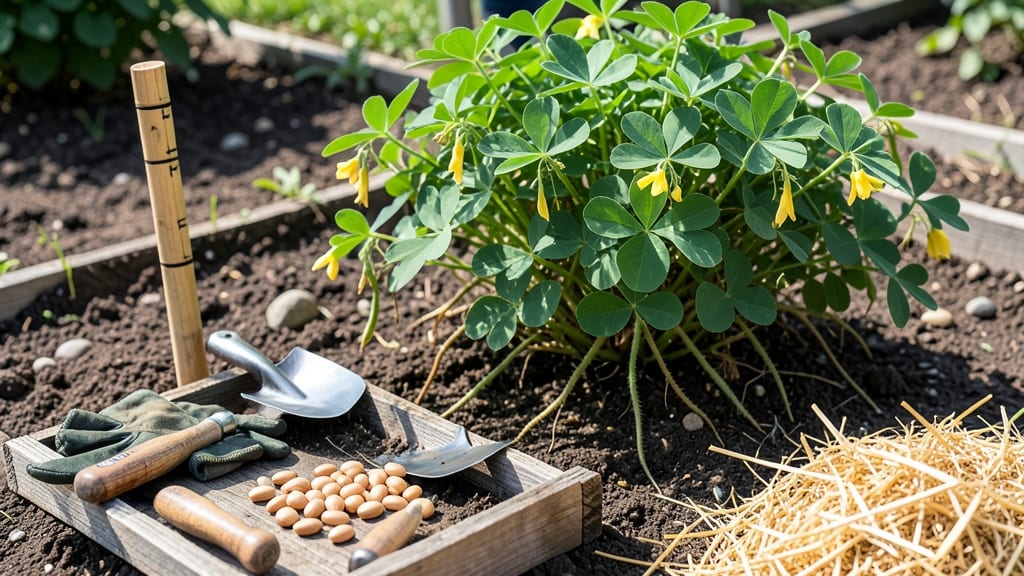
Planting peanuts in Georgia at the wrong time can turn your dream harvest into a disappointing flop—especially when late frosts or scorching heat throw off your timing.
The key to success lies in understanding your local heat zones and soil conditions, where even a week’s delay can mean the difference between thriving 🥜 plants and struggling seedlings.
Most Georgia gardeners know the general rule: wait until after the last frost, but the real magic happens when soil temperatures hit that sweet spot of 65°F or warmer.
That’s typically late April to early June in zones 7b-8b, but don’t just guess—check your local frost-free date and soil thermometer to lock in the perfect window.
In this guide, I’ll break down the exact timing you need, from soil prep to planting depth, so you can avoid common mistakes like planting too early or too late.
Whether you’re a first-timer or a seasoned grower, these insights will help you maximize your yield and enjoy a bountiful harvest by fall.
Ready to grow peanuts like a pro? Let’s dive into the step-by-step timing that works for Georgia’s unique climate—and why getting it right makes all the difference.
Georgia peanut planting calendar: best start dates by heat zone
Georgia’s long growing season and warm soil make it one of the best states for peanut production, but timing your planting correctly is crucial. Peanuts thrive in USDA zones 7b-8b, where the last frost typically occurs around March 15.
However, the real key is waiting for soil temperatures to reach at least 65°F (18°C)—peanuts won’t germinate in cooler soil. Planting too early risks frost damage, while waiting too long can shorten the growing season before the first frost in mid-November.
Most Georgia peanut varieties need 120-150 days to mature, so your planting window should align with your specific variety’s requirements. Early varieties like Georgia Red can be planted as soon as soil warms, while later varieties like Virginia-type peanuts need a longer season.
The ideal planting window for most gardeners falls between late April and early June, but this can shift slightly depending on your exact location within the state.
| Heat Zone | Best Planting Window | Soil Temp Requirement | Notes |
|---|---|---|---|
| 7a (North GA) | Late April - Early May | 65°F+ (18°C+) | Shorter season; choose early varieties |
| 7b (Central GA) | Mid-April - Late May | 65°F+ (18°C+) | Most flexible window; ideal for all varieties |
| 8a-8b (South GA) | Early April - Early June | 68°F+ (20°C+ preferred) | Longer season; can plant later varieties |
For gardeners in northern Georgia (zone 7a), aim to plant by early May to ensure peanuts mature before the first frost. In central Georgia (zone 7b), you have more flexibility—planting between mid-April and late May works well for most varieties.
Meanwhile, southern Georgia (zones 8a-8b) offers the longest window, allowing you to plant as early as early April or as late as early June, depending on your variety and local microclimate.
If you’re unsure about your exact heat zone, check the USDA Plant Hardiness Zone Map or use a soil thermometer to monitor temperatures. Peanuts need consistent warmth, so avoid planting if nighttime temperatures dip below 55°F (13°C).
In drought-prone areas, consider using mulch to retain soil moisture and plant slightly earlier to take advantage of spring rains.
Another key factor is your peanut variety. Spanish-type peanuts mature faster (90-110 days) and can be planted slightly later, while Virginia and Runner types need 120-150 days and should be planted earlier. Always check the seed packet for specific days-to-maturity information and adjust your planting date accordingly.
Pro tip: Use a planting calendar tailored to your county. The University of Georgia Extension provides localized planting guides that account for regional frost dates and soil conditions.
For example, Atlanta-area gardeners should stick to the earlier end of the window, while those in Savannah or Brunswick can plant later without risking frost.
Once you’ve nailed down your planting window, prepare your soil by amending it with compost or aged manure to improve drainage—peanuts hate soggy roots. Work in a balanced fertilizer (5-10-10) at planting time, and keep the soil consistently moist but not waterlogged until the plants are established.
With the right timing and care, you’ll be harvesting peanuts by September or October, just in time for fresh roasting!
Remember, peanuts are not frost-tolerant, so always plant after the last frost date in your area. If you miss the ideal window, don’t panic—you can still try planting in early June, but be prepared for a smaller yield if the season shortens.
The key is to act when soil temperatures are consistently warm and stay patient until germination occurs, which typically takes 7-14 days.
🥜
Critical factors that determine peanut planting success in Georgia
Peanuts thrive in Georgia’s heat, but soil temperature and moisture levels are the real game-changers. Unlike many crops, peanuts won’t germinate until the soil hits a consistent 68°F (20°C)—any cooler, and you’re risking poor sprouting or rot.
This usually aligns with late April to early May in most of the state, but don’t rely on guesswork.
Use a soil thermometer to confirm readiness—planting too early can leave seedlings vulnerable to late frosts (common in northern Georgia), while waiting too long may shorten your growing season. Aim for a 140-day maturity window to harvest before the first frost in November.
Another critical factor is rainfall timing. Peanuts need steady moisture during germination but can’t tolerate soggy soil later in the season. In drought-prone areas like southwest Georgia, consider drip irrigation to maintain consistent soil dampness without overwatering.
| Factor | Ideal Condition | Georgia-Specific Tip |
|---|---|---|
| Soil Temperature | 68°F+ (20°C+) | Wait for 3 consecutive days above 68°F; check morning temps. |
| Moisture Level | Consistently damp (not soggy) | Use mulch to retain moisture in sandy soils (common in GA). |
| pH Level | 6.0–6.5 | Test soil in spring; amend with lime or sulfur if needed. |
| Sunlight | Full sun (6–8 hours/day) | South-facing beds get maximum heat in GA’s climate. |
| Rainfall Timing | 1–1.5 inches/week | Supplement with drip irrigation during dry spells (June–August). |
Organic growers should also account for compost maturity. Fresh compost can overheat soil, delaying germination. Instead, use aged compost or well-rotted manure to avoid temperature spikes. For conventional farmers, a balanced 5-10-10 fertilizer at planting provides the nitrogen peanuts need without overloading the soil.
Finally, watch for late-spring heatwaves, which can stress young plants. If temperatures exceed 95°F (35°C) for more than 3 days, provide shade cloth until seedlings establish deeper roots. This is especially critical in southern Georgia, where heat arrives earlier.
By mastering these factors, you’ll align your planting schedule with Georgia’s climate—ensuring your peanuts grow strong, avoid stress, and produce a harvest worthy of the Peach State’s reputation. 🥜