
Plants
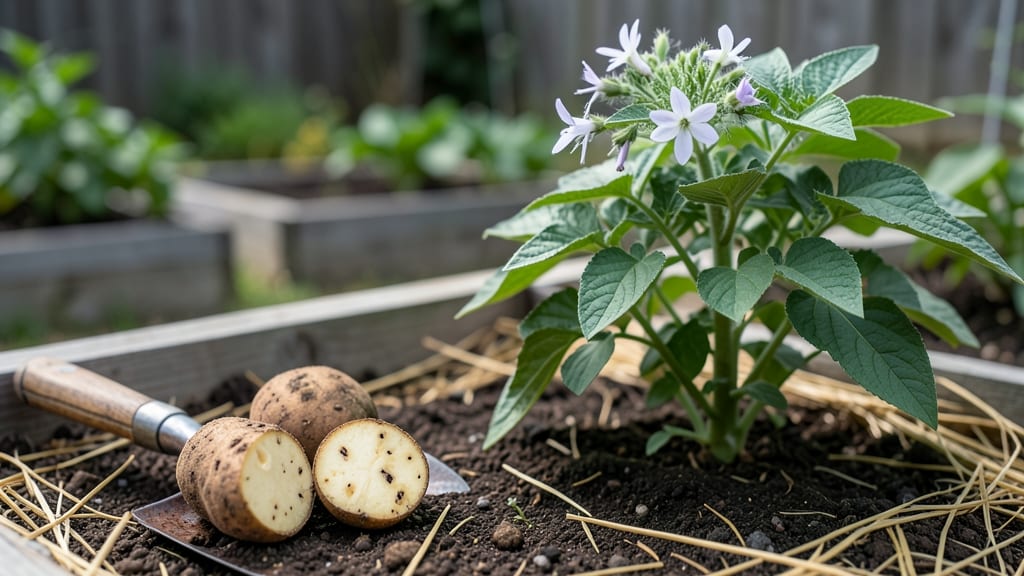
Planting potatoes in Pennsylvania at the wrong time can turn your garden dreams into soggy disappointment. Whether you're in Pittsburgh or Philadelphia, getting the timing right—2 to 4 weeks before your last frost date—is the key to a bountiful harvest.
Cold soil slows growth, while late planting risks stunted tubers, so knowing Pennsylvania's variable climate zones makes all the difference.
I’ve grown potatoes here for years, and the best yields come from planting when soil temperatures hit 45–55°F—not just when the calendar says spring. That means checking your local frost dates and adjusting for early or late seasons.
Let me walk you through the exact weeks to plant for your region, plus how to prep your soil for success.
You’ll also discover the top potato varieties that thrive in Pennsylvania, from early harvesters like Yukon Gold to late-season Kennebecs. These picks maximize your growing season and adapt to our unpredictable weather. Ready to dig in? Let’s make sure your potatoes get the perfect start.
With the right timing and a few pro tips, you could be pulling bushels of spuds by summer—no more guessing, just guaranteed growth. Let’s get started with the best planting schedule for your corner of the Keystone State.
Pennsylvania’s exact potato planting timeline: weeks before last frost by region
Pennsylvania’s USDA zones 5b through 7a create a 3-week window for planting potatoes, but timing varies dramatically from Philadelphia’s urban heat islands to Pittsburgh’s cooler valleys. The key is planting 2-4 weeks before your average last frost date, when soil temperatures hit 45-55°F.
For most of PA, this means mid-to-late March in southern regions and early-to-mid April in the north.
Missed the spring window? Don’t worry—late summer planting (July-August) works for short-season varieties like ‘Red LaSoda’, giving you a fall harvest before frost. This “second crop” strategy extends your growing season by 6-8 weeks and is perfect for gardeners who love fresh spuds year-round.
Here’s the region-specific breakdown you need to time your planting perfectly, including early vs. late varieties and harvest windows for maximum yield.
| Region | USDA Zone | Avg. Last Frost | Planting Window | Harvest Window | Best Varieties |
|---|---|---|---|---|---|
| Philadelphia/SE PA | 6b-7a | March 15-April 1 | Mid-March to early April | Late June to August | Yukon Gold, Kennebec |
| Pittsburgh/Central PA | 5b-6a | April 1-15 | Late March to mid-April | Late June to September | Red Pontiac, Fingerling |
| Erie/Northwest PA | 5a-5b | April 15-30 | Early to mid-April | July to early September | Adirondack Blue, Purple Viking |
| Late Summer (2nd Crop) | All Zones | N/A | July 15-August 15 | September-October | Red LaSoda, Irish Cobbler |
For early varieties like ‘Yukon Gold’, aim to plant 4-6 weeks before last frost—this gives them time to mature by mid-summer. Late varieties such as ‘Kennebec’ can handle planting 2-3 weeks after your region’s target date, stretching harvests into early fall.
Pro tip: Use black plastic mulch to warm soil faster in cooler zones, shaving 1-2 weeks off your planting timeline.
If you’re in Zone 5b or colder, consider starting seed potatoes indoors in late February using grow lights. Transplant these 4-6 weeks later when soil is workable, giving you a 2-week head start on the season.
This trick works especially well for long-day varieties like ‘Russet Burbank’ that thrive in PA’s climate.
Remember: Soil temperature matters more than air temperature. Use a soil thermometer to confirm readiness—below 45°F and your potatoes will rot; above 55°F and they’ll sprout too fast.
In wet springs, delay planting until the ground isn’t soggy for 48+ hours—this prevents disease pressure from fungal pathogens like late blight.
For container growing, plant 2 weeks earlier than your region’s schedule
How soil temperature and weather affect potato planting success in PA
Even if you’ve got your planting dates nailed down, Pennsylvania’s unpredictable weather can still sabotage your potato crop. Cold, wet soil or late frosts can leave your tubers stunted or diseased.
The secret? Planting when soil temperatures hit 45–55°F—not just when the calendar says spring. This ensures roots grow quickly instead of rotting in cold, soggy ground.
I’ve learned the hard way that soil temperature matters more than frost dates alone. In my Zone 6b garden, I’ve seen potatoes planted in March fail when soil stayed below 45°F, while April plantings thrived.
Use a soil thermometer (just $10 at garden centers) to check depth—potatoes need warmth at 4–6 inches deep.
Wet springs are another PA challenge. If your soil stays waterlogged for more than 24 hours, potato tubers can rot before they even sprout. Amend clay-heavy soil with compost or sand to improve drainage.
I always add a 1-inch layer of straw mulch after planting to keep moisture even and prevent crusting.
Late frosts can also throw off your timing. If temperatures dip below 32°F after planting, young sprouts will die back. To protect them, cover seedlings with frost blankets or row covers until they reach 6 inches tall.
This buys you extra weeks to harden off plants before summer heat arrives.
⚠️ Warning: Signs Your Soil Isn’t Ready
- Cold snaps: Soil temps below 45°F slow growth
- Soggy ground: Waterlogged soil causes rot
- Hard crust: Compacted topsoil blocks sprouts
- Frost warnings: Late frosts after planting kill seedlings
Wait until soil is warm and workable—don’t rush!
For extended harvests, consider planting early and late batches. Early varieties like ‘Red Norland’ can go in as soon as soil warms, while ‘Kennebec’ does better with a late-April start. Staggering plantings by 2–3 weeks lets you harvest continuously from July through September.
Pro tip: If your spring is unusually wet or cold, delay planting until soil dries out and warms. A few extra weeks waiting beats losing your entire crop to rot. Pennsylvania’s climate rewards patience—your potatoes will thank you with bigger, healthier tubers when you plant at the right moment.