Plants
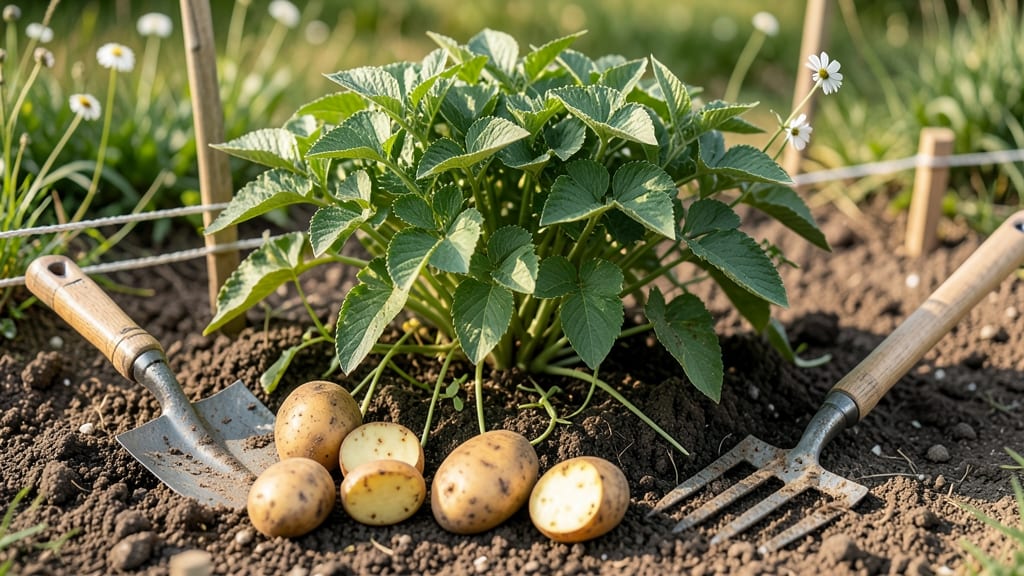
Planting potatoes in Zone 5 at the wrong time can mean the difference between a bountiful harvest and bitter disappointment. The key to success lies in timing—whether you're planting 🥔 in early spring or late winter under frost protection, getting the window right prevents bolting and ensures healthy tubers.
Most gardeners in Zone 5 rush to plant as soon as the ground is workable, but that’s not always the best strategy. Understanding your last frost date—typically mid-April to early May—and soil temperature thresholds is the most important step.
Too early, and your potatoes will bolt; too late, and you’ll miss the ideal growing window.
In this guide, I’ll break down the exact planting timeline for both spring and fall crops, including soil prep tips and variety recommendations. Whether you’re a beginner or a seasoned gardener, these insights will help you avoid common mistakes and maximize your yield.
Ready to grow potatoes that thrive? Let’s dive into the perfect planting schedule for Zone 5 so you can enjoy a harvest of golden, crisp potatoes all summer long.
Zone 5 potato planting timeline: spring vs fall breakdown for zero-bolt growth
In Zone 5, timing is everything when planting potatoes—get it wrong, and you’ll end up with bitter, bolted tubers instead of a bountiful harvest. The key is planting when soil temperatures hit 45°F (7°C) and staying ahead of late spring frosts.
Let’s break down the exact windows for both spring and fall planting to maximize your yield.
Most gardeners in Zone 5 focus on spring planting, but fall crops are also possible with the right varieties and timing. The goal? Avoid bolting (when potatoes flower prematurely) by keeping plants cool and stress-free. Here’s how to nail your planting schedule.
🌱
| Planting Window | Soil Temp | Last Frost Date | Ideal Varieties | Harvest Time |
|---|---|---|---|---|
| Early Spring (March–April) | 45–50°F (7–10°C) | 2–4 weeks before last frost | Yukon Gold, Red Pontiac, Kennebec | Mid-July to early August |
| Late Spring (May) | 50–55°F (10–13°C) | After last frost | Russian Banana, Fingerlings, Purple Viking | Late August to September |
| Fall (August–September) | 50–55°F (10–13°C) | 10–12 weeks before first frost | Early varieties: Red Norland, Irish Cobbler | October (before hard frost) |
For spring planting, aim to get seed potatoes in the ground 2–4 weeks before your last frost date. In Zone 5, this typically falls between late March and early April, depending on your exact location.
Use a soil thermometer to confirm temperatures are above 45°F (7°C)—cold soil delays sprouting and increases bolting risk.
If you’re planting in late spring (May), choose longer-season varieties like Russian Banana or Purple Viking, which tolerate warmer soil. These varieties also work well for fall planting, but you’ll need to start earlier (around August) to harvest before the first frost hits in mid-October.
🌡️
Pro tip: Chit your seed potatoes (place them in a bright, cool spot for 2–4 weeks before planting) to jumpstart sprouting. This ensures uniform growth and reduces the chance of bolting later in the season. Just avoid planting chitted potatoes too early—wait until soil is workable to prevent rot.
Another critical factor is soil preparation. Potatoes thrive in loose, well-draining soil with a pH between 5.0 and 6.5. Work in compost or aged manure before planting to provide nutrients without overloading nitrogen, which can cause foliar growth at the expense of tubers.
Mulch with straw to retain moisture and regulate soil temperature.
In Zone 5, fall planting is riskier but can extend your harvest. Start with early-maturing varieties like Red Norland and plant in late August for a late October harvest. Use row covers to protect young plants from early frosts, and harvest before the ground freezes.
Fall potatoes often have smaller yields but can be a fun experiment if you’re short on space.
🌱
Remember: The earlier you plant, the earlier you harvest. In Zone 5, this means avoiding late May or June plantings, which can lead to bolting as days lengthen.
Stick to the spring window for the most reliable results, and save fall planting for adventurous gardeners with short growing seasons.
Zone 5 potato planting timeline: spring vs fall breakdown for zero-bolt growth
Timing is everything when planting 🥔 potatoes in Zone 5. The goal is to start planting 2-4 weeks before your last frost date, which typically falls between mid-April and early May.
This window ensures your tubers have enough time to mature before summer heat sets in. For most of Zone 5, that means planting early to mid-April is ideal for spring crops.
But what about fall planting? While less common, some gardeners in Zone 5 successfully grow a second crop in late summer. The key is planting 6-8 weeks before your first frost, usually around late July to early August.
This gives potatoes enough time to harvest before winter sets in. However, fall crops require careful variety selection and faster-maturing types.
Soil temperature is just as critical as frost dates. Potatoes thrive when soil reaches 45°F (7°C). Using a soil thermometer ensures you’re planting at the right time. If your soil is still cold, wait—planting too early can trigger bolting, causing your potatoes to flower and go bitter.
| Stage | Action | Timeframe |
|---|---|---|
| Prep Soil | Add compost, ensure drainage | Late Winter (Feb-March) |
| Plant Spring | Seed potatoes 2-4" deep | Early April (2-4 weeks before last frost) |
| Hill Soil | Add soil as plants grow | April-June |
| Harvest Spring | Dig when foliage yellows | July-August |
| Plant Fall | Fast-maturing varieties | Late July-Early August |
| Harvest Fall | Before first frost | September-October |
For spring planting, choose early-maturing varieties like 'Yukon Gold' or 'Red Norland' if you’re planting in early April. These varieties take 70-90 days to mature, giving them enough time to thrive before summer heat peaks.
If you’re planting later in April, opt for mid-season varieties like 'Kennebec' or 'Russet Burbank', which take 90-120 days to harvest.
Fall planting in Zone 5 is trickier but possible with fast-maturing varieties like 'Early Girl' or 'New Potato'. These can be harvested in as little as 60-70 days, making them perfect for late-summer planting.
Just be sure to plant in well-drained soil and choose a sunny spot to maximize growth before frost.
Regardless of season, always test your soil pH (ideal range: 5.0-6.5) and amend with compost or aged manure. Proper soil prep is the foundation for a successful potato harvest, ensuring your tubers grow large and disease-free.