
Plants
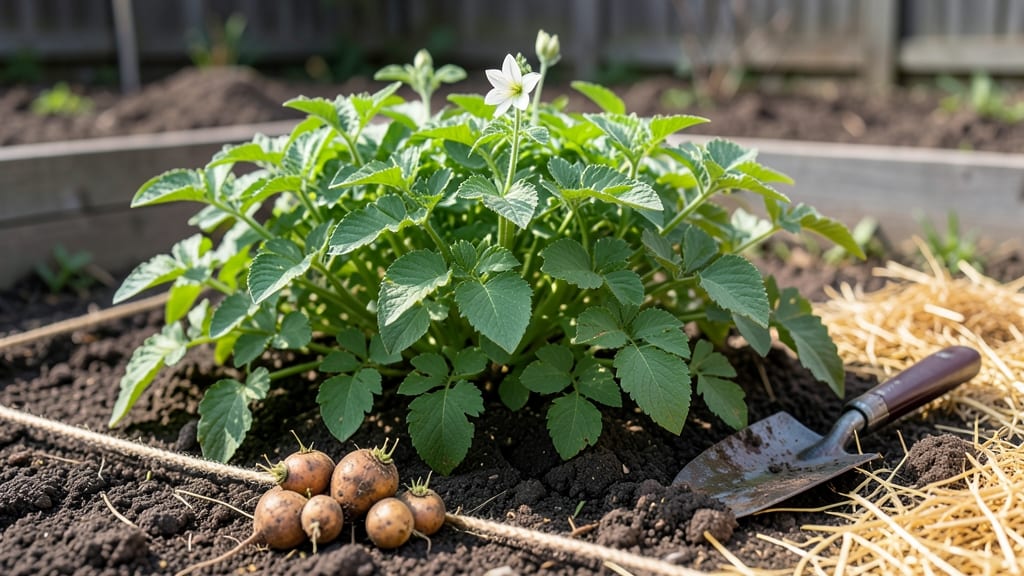
Planting potatoes in Zone 9 might seem tricky—after all, the heat can turn your 🥔 crop into a science experiment if you're not careful. But with the right timing, you can beat the summer heat and still enjoy a harvest that rivals cooler climates.
The key is knowing exactly when to plant, which isn't just about seasons but about soil temperatures and heat tolerance. Too early, and your potatoes will rot; too late, and you'll miss the sweet spot for harvest.
I've tested the best strategies, and what works in Southern California won't always work in Florida—so let's break it down.
You'll discover the perfect planting windows, from fall to early spring, and which varieties thrive in the heat. We'll also cover soil prep and how to protect your crop from bolting or disease.
By the end, you'll have a clear, actionable plan to grow potatoes that actually make it to harvest.
Ready to turn your Zone 9 garden into a potato powerhouse? Let's dive into the exact timing and techniques that work—no guesswork, just results.
Best planting times for potatoes in Zone 9: exact months and soil temperature guide
Zone 9’s warm climate makes potato growing a challenge, but timing is everything. Unlike cooler zones, you can’t just plant in spring—you’ll need to work with the fall and winter months when soil temperatures drop below 80°F.
The key is planting when the ground cools enough to prevent seed rot while still allowing tubers to develop before summer heat peaks.
Most gardeners in Zone 9 plant potatoes in late fall or early winter, typically between October and January. This gives tubers time to establish roots before the soil warms again in spring.
However, your exact timing depends on your specific microclimate—coastal areas like Southern California can plant slightly later than inland desert regions.
Soil temperature is the most critical factor. Potatoes thrive when soil stays between 45°F and 75°F during germination. If it’s too hot (80°F+), seeds rot; if too cold (40°F), they fail to sprout.
Use a soil thermometer to check before planting—aim for 50°F to 60°F for best results.
🌱 Did You Know?
Here’s a breakdown of the best planting windows by region within Zone 9:
For a second harvest, some gardeners in cooler microclimates (e.g., higher elevations in Zone 9) can plant a second crop in February or March. However, this is risky in the deep south—heat stress will likely reduce yields.
If you try it, use shade cloth and prioritize heat-tolerant varieties like Red Pontiac or Yampa.
Pro tip: If your soil stays warm year-round, consider container growing. Pots heat up faster, but you can bury them in shade during the day and move them to sun at night to regulate temperatures. Just ensure containers have drainage holes to prevent rot.
Timing isn’t just about the calendar—it’s about soil conditions. Test your soil’s moisture and temperature a few inches deep before planting. If the ground feels dry or is above 70°F, wait a week or two. Patience now means a healthier harvest later!
🌡️ Key Takeaway: Plant potatoes in Zone 9 when soil temps are 50°F–60°F, typically in late fall or early winter. Adjust for your microclimate, and always prioritize heat-tolerant varieties to maximize your yield.
Best planting times for potatoes in Zone 9: exact months and soil temperature guide
In Zone 9, potatoes thrive when planted during cooler months—avoiding the scorching summer heat that causes tubers to rot or sprout prematurely. The ideal window spans from late winter to early spring, with a second chance in fall for a late harvest.
Timing depends on your local microclimate, whether you're in Southern California (cooler coastal areas) or Florida (hotter inland zones).
For spring planting, aim for February to March when soil temperatures hover between 50°F and 60°F. In fall, plant September to October to harvest before winter rains set in.
Soil that’s too warm (above 70°F) will trigger premature sprouting or disease. Use a soil thermometer to monitor conditions—this is your best tool for success.
Zone 9’s diverse climates mean adjustments are key. In coastal areas (e.g., Los Angeles), you can plant as early as January, while inland desert regions (e.g., Phoenix) should wait until March. Always choose heat-tolerant varieties like Purple Majesty or Red Pontiac to improve your odds in warm soil.
| Planting Window | Soil Temp (°F) | Risk Level | Best For |
|---|---|---|---|
| Late Winter (Feb-Mar) | 50-60°F | Low | Spring harvest |
| Fall (Sep-Oct) | 60-65°F | Moderate | Late harvest |
| Summer (Avoid) | Above 70°F | High | Rot/sprouting |
🌱 Pro Tip: Test soil moisture daily—Zone 9’s dry heat demands consistent watering.
If you miss the spring window, fall planting is your backup. Start seeds indoors 8-10 weeks before your target transplant date (e.g., late July for a September transplant). Harden off seedlings gradually to avoid shock when moved to the garden.
In cooler microclimates (e.g., high desert areas), you might even squeeze in a third planting in November for a winter harvest.
Watch for soil temperature spikes—even a few days above 75°F can stress potatoes. Use shade cloth (30-50%) over young plants if temperatures rise unexpectedly. Pair this with drip irrigation to keep soil evenly moist without overheating the tubers.
Mulch with straw or grass clippings to regulate temperature and retain moisture.
Timing isn’t just about months—it’s about soil readiness. Amend your garden bed with compost or aged manure before planting to improve drainage and fertility. Zone 9 soils often compact easily, so add sand or perlite if your area is clay-heavy.
Aim for loamy, well-draining soil with a pH of 5.0-6.5—potatoes hate soggy roots!
Remember: Harvest timing matters too. Most Zone 9 varieties take 75-90 days to mature. Plan your planting window so tubers are ready to pull before summer’s peak heat. For example, a March planting should yield by June, while a September planting wraps up by November.
Store extras in a cool, dark place (50-60°F) to extend freshness through winter.