Plants
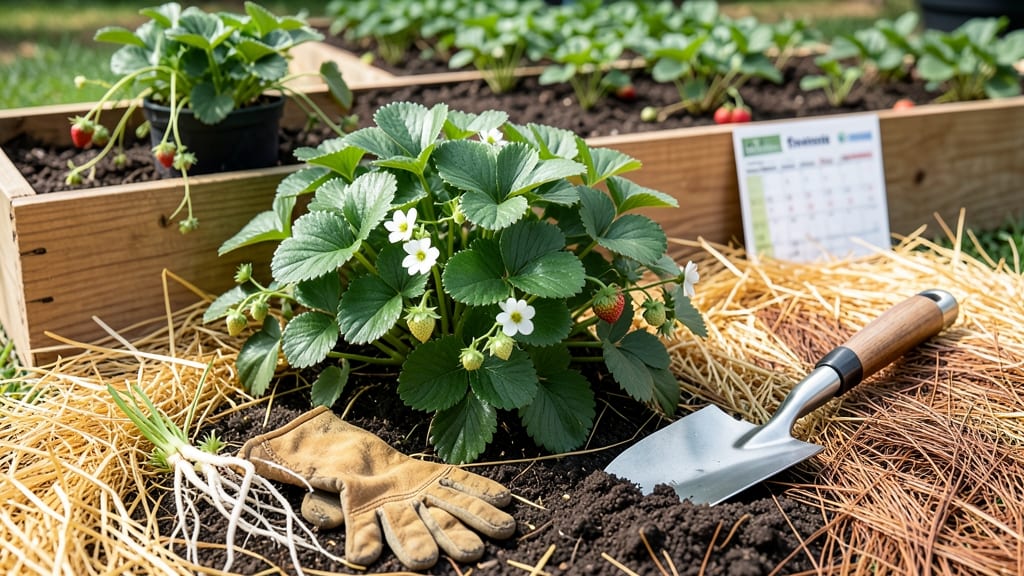
If you’ve ever dreamed of plucking fresh, sun-ripened 🍓 strawberries straight from your Louisiana garden, timing is everything—and the wrong move can leave you with wilted plants before summer even hits.
Louisiana’s sweltering heat and humidity make strawberry planting a delicate balancing act, but with the right approach, you can beat the heat and enjoy a bountiful harvest.
The perfect window for planting strawberries in Louisiana isn’t just about the calendar—it’s about avoiding the brutal summer months when temperatures soar and humidity makes conditions unbearable for delicate roots.
Most gardeners in USDA Zones 8-9 swear by late fall or early spring planting, but regional microclimates (like coastal vs. inland areas) can shift those dates by weeks. Let’s break down the exact months that work best for your part of the state.
What sets Louisiana apart from other growing regions? Unlike northern climates where frost is the enemy, here we’re fighting oppressive heat and soil that bakes like an oven. The solution? Choosing heat-tolerant varieties and giving your plants the right start with proper soil prep and shade strategies.
I’ll share the top varieties that thrive here and the simple tricks to extend your harvest season—even when the thermometer hits 95°F.
Ready to turn your backyard into a strawberry paradise? You’ll learn not just when to plant, but how to give your strawberries the best shot at survival—and a harvest that’ll make your neighbors jealous. Let’s get those berries growing the right way.
Best planting times for strawberries in Louisiana’s climate zones
Louisiana’s unique climate—marked by long, humid summers and mild winters—means strawberry planting isn’t a one-size-fits-all approach. The optimal planting windows shift depending on your region, whether you’re in coastal humidity or northern heat pockets.
For most of Louisiana (USDA Zones 8-9), the best times are fall and early spring, but timing varies by microclimate.
In southern Louisiana (e.g., New Orleans, Lafayette), where summers are brutally hot, planting in late October to November lets berries establish roots before winter. Meanwhile, north Louisiana (Shreveport, Monroe) can handle March planting as soil warms. Avoid late spring—that’s when 100°F+ heat stresses young plants.
Here’s the breakdown you need to maximize survival and yield:
| Region | Best Planting Window | Soil Temp Goal | Notes |
|---|---|---|---|
| Southern LA (Zones 8b-9a) | Late Oct–Nov (fall) / Early Mar (spring) | 55–65°F | Avoid summer heat; use shade cloth if spring-planting. |
| Central LA (Zones 8a-8b) | Mid-Oct–Dec (fall) / Feb–Mar (spring) | 50–60°F | Fall planting preferred; spring risk of early heatwaves. |
| North LA (Zones 7b-8a) | Sep–Oct (fall) / Mar–Apr (spring) | 45–55°F | Cooler nights; bare-root plants thrive in fall. |
For coastal areas, prioritize fall planting (October) to beat summer’s 90% humidity. Inland regions can push to early December, but avoid planting after January 15—late frosts can damage tender roots. Pro tip: Test soil temperature with a soil thermometer (aim for 55–65°F) before planting.
If you’re starting from seed, begin indoors in January for spring transplants or August for fall harvests. Seedlings need 8–10 weeks to harden off. For bare-root plants, soak roots in lukewarm water for 1–2 hours before planting to reduce transplant shock.
One common mistake? Planting too early in spring when soil is still cold. Strawberries won’t root below 50°F, leading to fungal diseases like gray mold. Always amend soil with compost and sand (Louisiana’s clay soil drains poorly) before planting.
For year-round harvests, try succession planting: Start a fall batch (Oct) and a spring batch (Mar). Use black plastic mulch in summer to insulate roots and keep soil 5–10°F cooler.
Remember: Louisiana’s humidity accelerates pests like slugs and diseases like powdery mildew. Plant in raised beds with drip irrigation to keep foliage dry. With the right timing, you’ll beat the heat and enjoy berries from February to June!
Best planting times for strawberries in Louisiana’s climate zones
Louisiana’s USDA Zones 8-9 create unique challenges for strawberry growers, where the battle isn’t just frost—it’s scorching heat and relentless humidity. The optimal planting windows shift dramatically depending on whether you’re in coastal humidity zones, central parishes, or northern regions.
For most Louisiana gardeners, the sweet spot falls between October and February, when soil temperatures stay mild and rainfall provides natural hydration.
Why does timing matter so much? Strawberry roots hate heat stress, and planting during Louisiana’s peak summer months (June-August) guarantees weak establishment and poor yields. Even bare-root plants struggle to recover from the shock of 90°F+ soil temperatures.
The solution? Plant when daytime highs hover around 75-80°F and nights stay above 50°F—this gives roots time to establish before summer’s fury arrives.
Louisiana Strawberry Planting Timeline by Region
| Region | Best Planting Window | Soil Temp Goal (°F) | Key Consideration |
|---|---|---|---|
| Coastal (Zone 9) | Late October - Early December | 65-70°F | Humidity requires extra airflow |
| Central (Zone 8) | Mid-September - November | 60-68°F | Balanced heat/humidity |
| Northern (Zone 8a) | Late August - October | 55-65°F | Cooler nights extend window |
| All Regions | February (Emergency) | 50-60°F | Use shade cloth; water daily |
🌱 Pro Tip: Test soil temperature with a thermometer—ideal range is 60-70°F for root establishment.
For coastal gardeners in Zone 9 (think New Orleans or Lafayette), the October-November window is critical—planting any later risks fungal diseases from persistent humidity. Inland areas like Alexandria or Shreveport can push planting slightly later into November thanks to cooler nights.
The northern parishes (like Natchitoches) offer the most flexibility, with August-September being ideal for June-bearing varieties.
What about everbearing or day-neutral varieties? These can handle late winter planting (February), but they’ll need extra shade protection during peak summer. I’ve had success with ‘Seascape’ strawberries planted in early February—they produce smaller yields but survive Louisiana’s heat better than traditional varieties.
The trade-off? You’ll need to mulch heavily and water at the soil level (not overhead) to prevent disease.
One mistake I see new Louisiana gardeners make is planting too early in spring. By March-April, soil temperatures often exceed 80°F, which stresses young plants. Instead, wait until late April when soil cools slightly—this gives your strawberries a 3-4 week head start before summer’s worst heat arrives.
For container growing, you can push planting 2-3 weeks later since pots heat up faster.
Ready to plant? Start by amending your soil with compost and sand (Louisiana’s clay soil drains poorly), then choose a well-draining raised bed or elevated spot in your yard. The right timing plus proper prep will give your strawberries the best shot at thriving—even in our brutal summers.
Next, we’ll cover the top 5 heat-tolerant varieties that actually thrive in Louisiana’s climate.