
Flowers
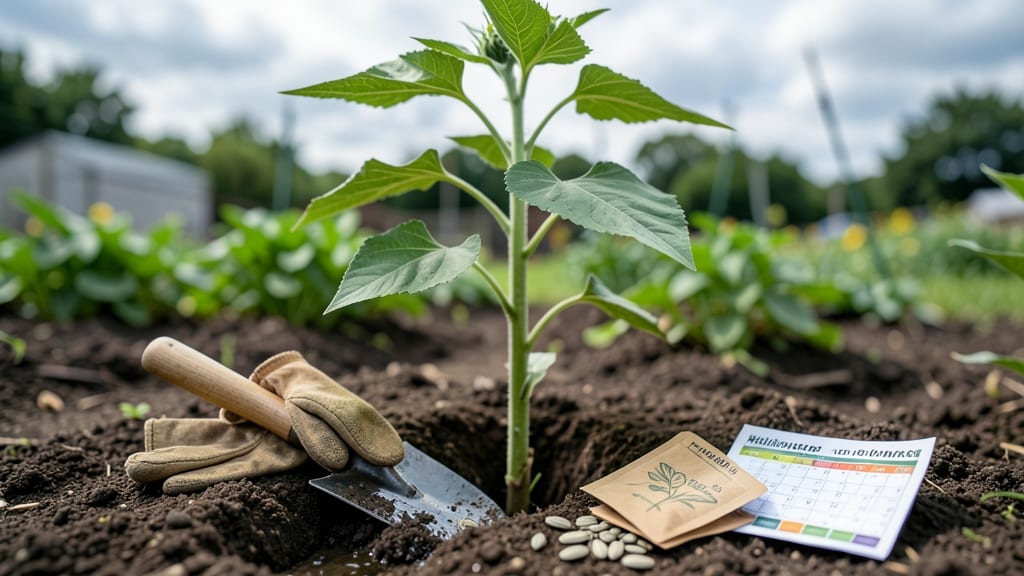
If you’ve ever dreamed of watching 🌻 sunflowers sway in your Missouri garden, timing your planting is the secret to success—or disappointment. The Show-Me State’s climate offers a perfect window for these cheerful giants, but getting the timing wrong can mean stunted growth or missed blooms entirely.
Missouri’s USDA Zones 5b-6b give gardeners a mid-April to late June window to plant sunflowers, but the real magic happens when soil warmth and frost-free days align.
Whether you’re in St. Louis, Kansas City, or rural farmland, knowing when to drop seeds into the earth—or start them indoors—makes all the difference.
I’ll walk you through the exact frost dates, soil temperature thresholds (50°F+), and regional tweaks to ensure your sunflowers thrive. From northern Missouri’s cooler springs to southern areas that warm up faster, we’ll cover it all so you can plant with confidence.
Ready to grow sunflowers that reach for the sky? Let’s dive into the perfect planting timeline for your Missouri garden—no guesswork, just vibrant blooms.
Missouri sunflower planting timeline by county: frost dates & soil warmth guide
Sunflowers thrive in Missouri’s USDA Zones 5b–6b, but the perfect planting window shifts across the state. Northern counties like St. Joseph (Zone 5b) have later frost dates than southern areas like Cape Girardeau (Zone 6b), requiring precise timing.
Aim for mid-April to late June—when soil temps hit 50°F+—to ensure robust growth and 120+ days to harvest.
Missouri’s last average frost date ranges from April 15 (north) to April 1 (south). Southern regions can start 2–3 weeks earlier, while northern gardeners should wait until after May 1 to avoid frost damage. Always monitor local forecasts, as late frosts can delay planting by weeks.
🌱
| County/Region | Avg. Last Frost | Ideal Planting Window | Soil Temp Threshold | Notes |
|---|---|---|---|---|
| St. Louis | April 10 | Mid-April to early June | 50°F+ | Urban heat islands warm soil faster; monitor for late frosts. |
| Kansas City | April 15 | Late April to mid-June | 50°F+ | Drier climate; water deeply after planting. |
| Columbia | April 5 | Late March to late May | 50°F+ | Southern exposure extends growing season. |
| St. Joseph | April 20 | Early May to late June | 55°F+ | Cooler nights delay germination; use row covers. |
| Cape Girardeau | March 25 | Late March to early June | 50°F+ | Humidity may increase fungal risks; space plants wider. |
For direct sowing, Missouri gardeners should plant 1 inch deep and 6 inches apart, thinning to 12–18 inches as seedlings grow. Southern counties can start as early as late March, while northern areas like St. Joseph may need to wait until early May to avoid frost.
Always test soil warmth with a soil thermometer—sunflowers won’t germinate below 50°F.
If you’re in Zone 5b, consider starting seeds indoors 6–8 weeks before your last frost date. Use biodegradable pots to transplant seedlings outdoors after the danger of frost has passed. This method extends your growing season by 3–4 weeks, ensuring taller stems and larger blooms.
Missouri’s microclimates play a huge role in success. Urban areas like St. Louis experience heat islands that warm soil faster, while rural farmland may stay cooler longer. Use mulch (straw or grass clippings) to retain heat and moisture, especially in drier western counties like Sedalia.
🌻
Pro tip: Plant ‘Autumn Beauty’ or ‘Moulin Rouge’ varieties for extended blooms—these thrive in Missouri’s 90+°F summers and produce vibrant colors until first frost. For cut flowers, choose ‘ProCut’, which stands tall even in humid conditions.
Always check your local cooperative extension office for county-specific frost dates, as microclimates can shift planting windows by 1–2 weeks. Missouri’s Missouri Botanical Garden also offers free garden calendars tailored to your ZIP code.
☀️
How to adjust sunflower planting for Missouri’s unpredictable weather patterns
Missouri’s weather can be as unpredictable as a summer storm—one day warm and sunny, the next a surprise frost. For sunflowers, which thrive in consistent warmth, this variability means you’ll need a few tricks up your sleeve.
The key is preparing your soil early, using protective covers for late starts, and knowing when to push your luck with early planting.
Start by testing your soil’s warmth with a soil thermometer. Sunflower seeds need soil temperatures of at least 50°F to germinate. If your soil is still chilly in early April, consider using a cold frame or black plastic mulch to warm it up faster.
This simple step can shave weeks off your planting timeline, especially in northern Missouri counties like St. Joseph or Kirksville.
Here’s my pro tip: If you’re eager to plant early, use row covers or frost blankets to shield young seedlings from late frosts. These lightweight fabrics trap heat during the day and provide insulation at night. I’ve used them to extend my planting window by 2–3 weeks without risking frost damage. Just
⚠️ Watch for Late Frosts
Missouri’s last frost can hit as late as May 10 in northern regions. If you plant too early and a frost sneaks in, your sunflowers may bolt (produce flowers prematurely) or rot at the soil line. Always check your local frost date averages and have a backup plan for late starts.
For drought-prone areas like Southeastern Missouri, focus on deep watering rather than frequent shallow soaks. Sunflowers have deep roots, so aim for 1–1.5 inches of water per week once they’re established.
I’ve seen sunflowers wilt dramatically after a heatwave, only to bounce back within days with a good deep drink. Mulching with straw or wood chips helps retain moisture and keeps roots cool.
If you’re planting in July or August for a late-season harvest, choose short-day varieties like ‘Teddy Bear’ or ‘Moulin Rouge.’ These types mature faster in hot conditions and still produce stunning blooms.
Just be prepared for smaller stems—they won’t reach the same towering heights as spring-planted giants, but they’ll add late-season color to your garden.
Finally, don’t overlook the power of compost-rich soil. Amend your beds with aged compost or well-rotted manure before planting to give sunflowers a nutrient boost. I’ve found that plants grown in amended soil resist drought and disease better, even in Missouri’s erratic weather.
A little extra effort now means fewer headaches later.