
Plants
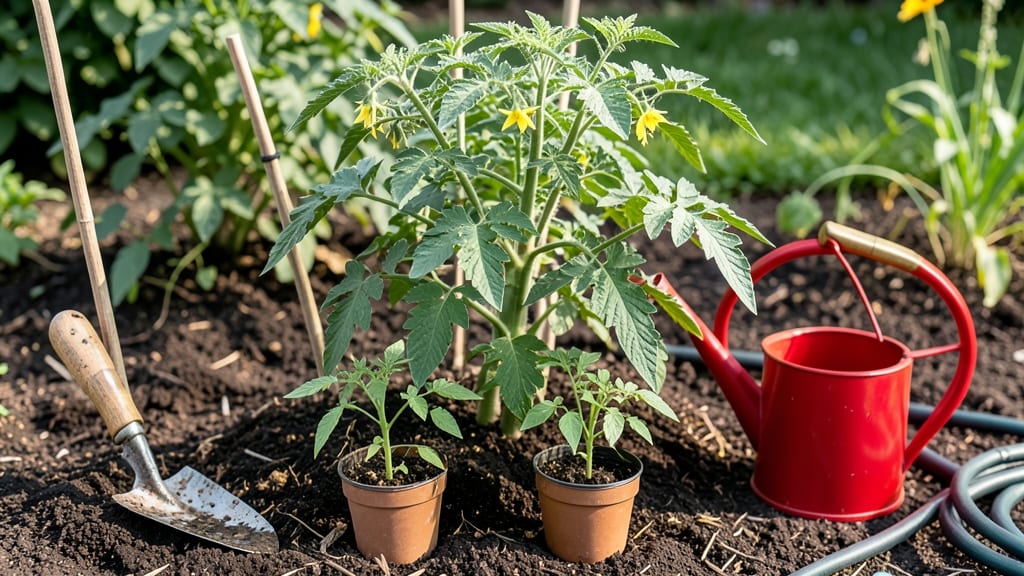
If you’ve ever wondered when do you plant tomatoes in California—whether your seedlings bolted into flower before fruiting or wilted under the state’s brutal summer heat—you know timing is everything.
Planting tomatoes in California isn’t just about the calendar; it’s a microclimate puzzle where a single week can mean the difference between a bountiful harvest and a wasted season.
Here’s the hard truth: Coastal areas like San Francisco can safely plant seedlings in late March, while inland valleys like Fresno should wait until mid-April to avoid frost damage. Desert regions like Palm Springs?
They’ve got a 3-month window to play with—but get it wrong, and your plants will suffer. I’ll break down the exact weeks for your specific zone, so you can sidestep the most common mistakes gardeners make.
Whether you’re starting seeds indoors or transplanting seedlings, the key is aligning your schedule with soil warmth and local frost-free dates. We’ll cover how to adjust for urban heat islands, high-elevation chill, and even the infamous May gray skies that can trick your tomatoes into bolting.
No more guessing—just data-driven timing for zero bolt risk.
Ready to turn your California garden into a tomato powerhouse? Let’s dive into the science—and the secrets—that will have you harvesting juicy, vine-ripened fruit all summer long. Your first step? Grab your calendar and a thermometer—we’re locking in those planting dates today.
California tomato planting zones by microclimate: exact weeks to avoid bolting
California’s microclimates create a puzzle for tomato growers. Coastal areas like San Francisco have cool, foggy springs, while Palm Springs bakes by April. The key? Planting when soil temps hit 60°F and nighttime temps stay above 50°F—this prevents bolting (premature flowering) and heat stress.
Below, I’ve mapped exact planting windows for California’s 4 main zones, using USDA Zone 8-10 guidelines.
For coastal regions (e.g., Santa Cruz, Monterey), wait until late April to early May—frost risk lingers until mid-April, but cold soil delays germination.
Inland valleys like Sacramento can plant 2-3 weeks earlier (early April), while desert areas (e.g., Palm Springs) should hold off until mid-May to avoid heat shock.
High-elevation zones (e.g., Lake Tahoe area) follow USDA Zone 7 rules—plant after Memorial Day (late May) when soil warms. The critical threshold is soil temperature: Use a soil thermometer to confirm 60°F+ at 4" depth. If it’s cooler, your seedlings will stunt or rot.
🌱Pro Tip: Start seeds 6-8 weeks indoors for coastal zones or 4-6 weeks for desert areas. Transplant only after hardening off—hardened seedlings survive 5°F cooler temps than unacclimated ones.
| Zone Type | USDA Zone | Planting Window | Soil Temp Threshold | Key Risks |
|---|---|---|---|---|
| Coastal (SF, Monterey) | 8-9 | Late April–Early May | 60°F+ | Frost, slow warming |
| Inland Valley (Sacramento, Fresno) | 9-10 | Early April–Mid-April | 60°F+ | Heat waves, drought |
| Desert (Palm Springs, Coachella) | 10-11 | Mid-May–Early June | 70°F+ | Extreme heat, transplant shock |
| High Elevation (Tahoe, Sierra) | 7 | Late May–Early June | 55°F+ | Late frost, short season |
Bolting is your biggest enemy—it happens when seedlings sense cold nights or long days too early. To prevent it, use row covers for coastal plantings until soil warms consistently. For desert zones, opt for heat-tolerant varieties like 'Solar Fire' or 'Heatmaster', which handle 90°F+ temps better than heirlooms.
💧Watering Hack: After transplanting, deep-water every 2-3 days to establish roots. Coastal areas need morning watering to dry foliage before fog sets in, while desert gardens benefit from drip irrigation at night to retain moisture.
For container growers, adjust timelines by 2 weeks later—pots heat up faster and dry out quicker. Use black plastic pots to absorb sunlight and warm soil quicker.
If you’re in Zone 10 (e.g., San Diego), you can even plant year-round with succession planting every 6 weeks for continuous harvests.
🌡️Final Check: Before planting, test soil moisture by squeezing a handful—if it doesn’t crumble, it’s too wet. Aim for 60% moisture retention at planting time. This ensures roots don’t suffocate while still having enough water to establish.
Next, we’ll dive into county-specific adjustments—because even within Los Angeles County, Malibu’s coastal fog differs from Pasadena’s inland heat. Stay tuned for hyper-local planting dates tailored to your exact location!
How to adjust planting dates for your California county: a county-specific guide
California’s geography is a gardener’s paradise—and nightmare. What works in San Diego’s coastal fog (like planting tomatoes in March) will fail in Fresno’s Central Valley (where April is the magic month). Even within counties, elevation changes everything. Let’s break it down by region so you can plant with confidence.
For coastal counties like San Diego and Santa Barbara, aim for late February to early March. The ocean’s cooling effect delays soil warming, so wait until nighttime lows stay above 50°F.
Inland areas like Los Angeles County can start 2-3 weeks earlier (mid-February), but watch for sudden cold snaps—especially in foothill zones.
| County | Best Planting Window | Soil Temp Threshold | Heat Risks |
|---|---|---|---|
| San Diego | Late Feb - Early Mar | 55°F+ nighttime | Low (coastal breeze) |
| Los Angeles | Mid-Feb - Early Apr | 60°F+ daytime | Moderate (valley heat) |
| Sacramento | Late Apr - Early May | 65°F+ consistently | High (summer 100°F+) |
| Fresno | Early Apr - Mid-May | 70°F+ daytime | Extreme (heat stress) |
| Palm Springs | Late Mar - Early Apr | 75°F+ (desert heat) | Very High (drought + heat) |
In Central Valley counties like Fresno and Sacramento, the real challenge is heat tolerance. Plant too early, and seedlings bolt; too late, and summer’s 100°F+ days fry them. Use heat-resistant varieties like 'Heatmaster' or 'Solar Fire' if you must plant after May 1.
For desert regions like Palm Springs, late March to early April works—but pair with 50% shade cloth until plants establish roots.
Pro tip: Check your local Ag Extension office for frost-free dates. For example, Sacramento’s average last frost is March 15, but inland areas can have frost until April 15. Planting too soon here risks transplant shock when warm weather finally arrives.
For urban gardeners in LA or San Diego, container growing extends flexibility. Smaller pots warm faster, so you can plant 2-3 weeks earlier than ground gardens. Just ensure pots have drainage holes and use lightweight potting mix to prevent overheating.
Remember: Soil temperature matters more than air temperature. Use a soil thermometer—tomatoes need 60°F+ for roots to thrive. In coastal areas, this might mean waiting until April even if air temps are mild.
Start with these county-specific windows, then adjust based on your specific microclimate. A neighbor’s success in Santa Barbara doesn’t guarantee yours—especially if you’re in the foothills! 🌱