
Plants
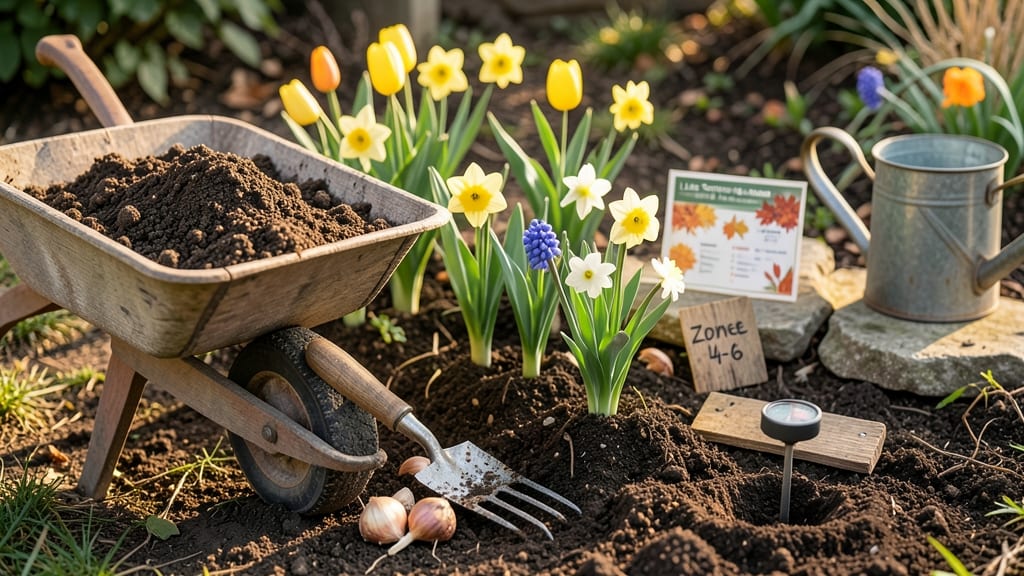
Timing when to plant bulbs in New England just right could mean the difference between a garden bursting with color and a missed opportunity. The key isn’t just picking the right month—it’s understanding how your local frost dates and soil conditions play into the equation.
Fall planting is your golden window, but if you wait too long, those 5b-6b zone frosts will catch your bulbs off guard. Meanwhile, spring planting has its own tight deadline—miss it, and your daffodils and tulips might never get the chance to bloom.
Let’s break down the exact months and tricks to ensure your bulbs thrive.
Whether you’re a coastal gardener or inland, the rules shift slightly based on your microclimate. I’ll walk you through the best planting windows, soil prep secrets, and even how to adjust if Mother Nature throws a curveball. No more guessing—just flawless blooms next spring.
Ready to transform your garden? Grab your gloves, and let’s get those bulbs in the ground at the perfect time—because timing, as they say, is everything when it comes to zero-frost blooms.
New England bulb planting calendar by hardiness Zone (exact months for success)
New England’s USDA Zones 3-7 demand precision when planting bulbs. The key is timing them 6-8 weeks before the first hard frost, which typically falls between mid-October and early November.
For zero-frost blooms, aim to plant by November 15th in most regions, but coastal areas like Zone 6b may have slightly later deadlines.
Fall planting is ideal for most bulbs, but spring planting (March-April) works for hardier varieties like daffodils. The difference? Fall-planted bulbs establish roots before winter, while spring-planted ones rely on early warmth. Tulips and hyacinths prefer fall, while alliums and fritillaries tolerate spring starts.
Soil temperature is your best guide. Bulbs need 60°F soil to root but below 50°F to trigger dormancy. Use a soil thermometer—if temps drop below 50°F for 3+ days, it’s time to plant.
In Zone 3 (northern Maine), this could mean planting by September 15th, while Zone 7 (southern Connecticut) allows until mid-November.
Here’s your New England bulb planting timeline by zone, including last-minute adjustments for late winters or early frosts:
Pro tip: Coastal areas (Zone 6b-7a) often have milder winters, so you can push fall planting later. Inland zones like Zone 4-5 freeze earlier—don’t wait past November 1st or risk rot. For spring planting, wait until soil is workable (usually when crocuses bloom naturally).
Depth matters too! Plant bulbs 3x their height deep—so a 2-inch tulip bulb goes 6 inches underground. Use a bulb planter or trowel
How to adjust planting timing for New England’s unpredictable weather patterns
New England’s weather is famously fickle—one week can bring unseasonably warm spells, while the next delivers early frosts that catch gardeners off guard. The key to success? Flexibility.
I’ve learned to adjust my planting timeline based on soil temperatures, local frost forecasts, and even the phase of the moon (yes, really!).
For example, if your soil thermometer reads above 60°F in late August, bulbs planted then may sprout too early and get fried by a sudden cold snap.
Most gardeners follow the 6-8 week rule: plant bulbs 6-8 weeks before the ground freezes. But in Zone 5b (e.g., Burlington, VT), that window often closes by mid-October, while in Zone 6b (e.g., Providence, RI), you might squeeze in a few extra weeks.
I always check the National Weather Service’s frost predictions and adjust my schedule accordingly. Pro tip: Use a soil thermometer to confirm when temps drop below 50°F at 4 inches deep—that’s your cue to stop planting.
Here’s where it gets tricky: warm autumns can trick bulbs into sprouting before winter sets in. If your daffodils or tulips start poking through the soil in November, they’ll freeze and rot. To prevent this, I mulch heavily with straw or leaves (4-6 inches thick) after planting. This insulating layer buys you 2-3 extra weeks of planting time by slowing soil cooling. Just
For high-risk zones like coastal Maine (Zone 5a), I’ve started using a weather contingency