
Plants
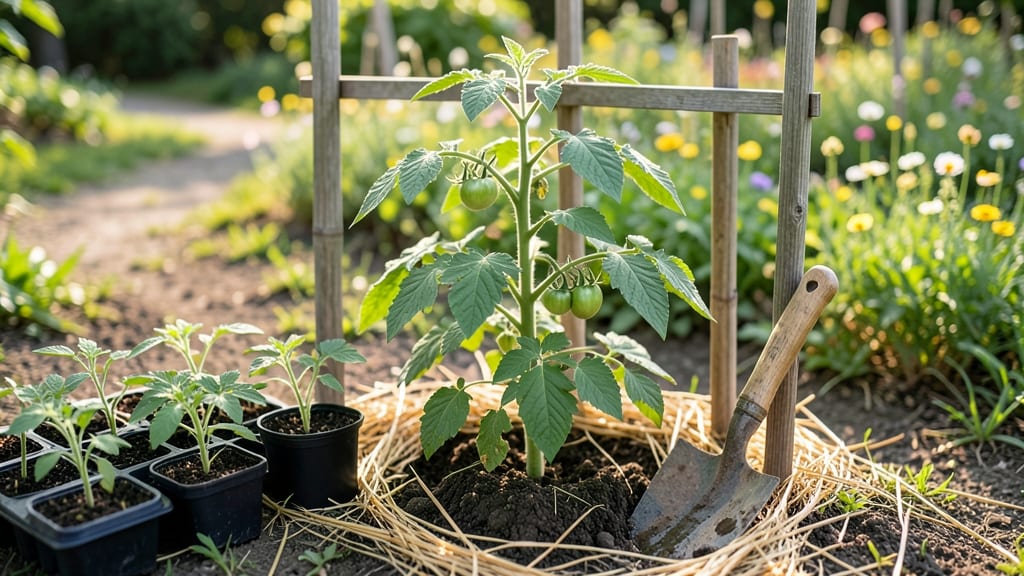
Timing when do you plant tomatoes in Virginia can mean the difference between a bumper crop of juicy 🍅 and a sad, frost-nipped disappointment. With Virginia’s varied climate zones—from the cooler Piedmont to the milder coastal plains—figuring out the perfect window feels like cracking a code.
But here’s the good news: once you know the exact weeks before last frost for your zone, you’ll never second-guess your schedule again.
Most Virginia gardeners in zones 7a-8a aim to start seeds indoors by early March, giving seedlings a head start before transplanting around April 15-May 15.
However, coastal areas like Norfolk often enjoy earlier planting dates, while inland regions near Roanoke might need to wait until late April to avoid late frosts. The key? Monitoring soil temperatures—tomatoes thrive once the ground warms to 60°F.
Whether you’re a seasoned gardener or a first-timer, getting this right unlocks healthier plants, bigger yields, and fewer headaches. I’ll break down the optimal planting windows by zone, plus pro tips for extending your growing season in cooler pockets of Virginia.
Let’s turn your tomato dreams into a reality—one perfectly timed seed at a time.
Ready to ditch the guesswork? By the end of this guide, you’ll know exactly when to plant, how to prep your soil, and even how to protect your 🍅 from unexpected chilly spells. Your future harvest is waiting—let’s get started!
Virginia last frost dates by zone: when to start tomato seeds indoors
Virginia’s diverse climate zones (5a through 7b) mean your tomato seed-starting timeline depends heavily on where you live. The Piedmont region (like Charlottesville) has later frosts than Tidewater (Norfolk), so I’ll break it down by zone to help you avoid those late-spring freezes that can devastate young seedlings.
For most of Virginia, tomato seeds should start indoors 6-8 weeks before your last frost date. This gives seedlings enough time to develop strong roots before moving outdoors. The key is knowing your average last frost date—and adjusting for microclimates like valleys or urban heat islands.
Here’s the breakdown by zone, including seed-starting windows and transplanting readiness for your region:
| USDA Zone | Avg. Last Frost | Seed Start Indoors | Transplant Outdoors | Notes |
|---|---|---|---|---|
| 5a (NW Mountains) | May 1-15 | March 1-15 | May 15-30 | Use row covers for early starts |
| 6a (Piedmont) | April 15-30 | February 15-March 15 | April 30-May 15 | Wait for soil to warm to 60°F |
| 6b (Northern VA) | April 1-15 | February 1-March 1 | April 15-30 | Cold frames help extend season |
| 7a (Central VA) | March 25-April 10 | January 25-February 10 | April 1-15 | Early varieties preferred |
| 7b (Tidewater) | March 10-25 | January 10-25 | March 25-April 10 | Longer growing season |
If you’re in Zone 5a (like the Shenandoah Valley), I recommend starting seeds by March 1st—any later, and your plants may struggle to mature before frost.
For Tidewater gardeners (Zone 7b), you can push it to early January, but beware of damping off in overly wet indoor conditions.
Pro tip: Check Virginia Cooperative Extension’s frost date maps for your exact location—urban areas like Richmond often have earlier last frosts than rural spots just 20 miles away. And always harden off seedlings for 7-10 days before transplanting to avoid shock.
For heirloom varieties or slow growers, add 2 extra weeks to your seed-starting window. Fast-maturing hybrids like ‘Early Girl’ can handle shorter seasons, while ‘Brandywine’ needs every warm day possible.
Remember: Soil temperature matters more than air temperature. Use a soil thermometer—tomatoes won’t thrive until the ground hits 60°F consistently. In cooler zones, consider black plastic mulch to warm the soil faster.
🌱
Transplanting tomatoes in Virginia: best weeks after last frost by variety
Once your tomato seedlings are ready, timing their outdoor transplant is just as critical as starting them indoors. In Virginia, the last frost date varies dramatically—from March 15 in Tidewater to April 15 in the Shenandoah Valley.
But don’t rush! Tomatoes need soil temperatures above 60°F and consistent nighttime temps over 50°F to thrive. Transplanting too early invites cold damage or blossom drop, while waiting too long cuts your harvest window short.
For Northern Virginia (USDA Zones 5a-6a), aim to transplant 2-3 weeks after last frost—typically mid-to-late May. In Coastal Virginia (Zones 7a-8a), you can start as early as early April in sheltered microclimates.
The key is monitoring both air and soil temps—a soil thermometer is your best friend here. Pro tip: Harden off seedlings for 7-10 days before transplanting to avoid shock.
🍅 Virginia Tomato Transplant Guide
| Zone & Region | Last Frost Date | Transplant Window | Soil Temp Threshold |
|---|---|---|---|
| Northern VA (5a-6a) | April 15 | May 15–May 31 | 60°F+ |
| Piedmont (6a-7a) | April 1 | April 20–May 10 | 60°F+ |
| Coastal/Tidewater (7a-8a) | March 15 | March 30–April 15 | 55°F+ |
| Mountains (5a-6a) | May 1 | June 1–June 10 | 65°F+ |
💡 Note: Adjust for microclimates—southern exposures transplant 1-2 weeks earlier.
Variety matters too! Determinate tomatoes (like 'Celebrity' or 'Roma') grow compact and ripen all at once, so plant them 2 weeks earlier than heat-loving indeterminate varieties (e.g., 'Sungold' or 'Brandywine'). Indeterminates keep producing until frost, but they need warmer soil and air to establish roots.
If you’re in Zone 5a, opt for early-maturing varieties like 'Stupice' or 'Mountain Merit' to beat the clock.
After transplanting, focus on mulching to retain moisture and staking or caging to support growth. In Coastal Virginia, where humidity is high, space plants 18-24 inches apart to improve airflow. For inland areas, a 3-foot spacing works better to reduce competition.
Water deeply at the base—never overhead—to prevent fungal diseases like early blight, which thrives in Virginia’s damp springs.
Extend your season with row covers or cold frames if late frosts sneak in. I’ve used floating row covers in Roanoke to protect seedlings until May 15, buying an extra 2-3 weeks of growing time.
For fall planting, try heat-tolerant varieties like 'Solar Fire'—they handle 90°F+ temps better than most and can produce into October if planted by July 15.
Keep an eye on the Virginia Cooperative Extension’s frost maps for real-time updates. Their 30-year averages are a great baseline, but local weather patterns—like 2023’s late April frost in the Shenandoah Valleyhomegrown tomatoes from June to October, no matter where you garden in Virginia. 🌱