
Plants
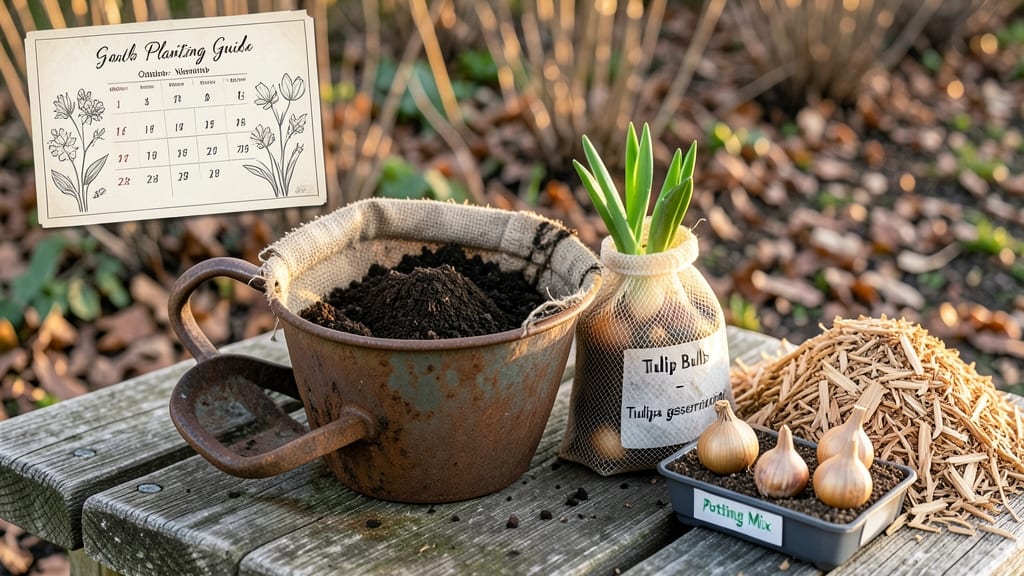
If you’ve ever wondered "when do you plant tulips in Georgia", the answer isn’t as simple as checking a calendar—it’s about reading your local microclimate like a weather forecast.
Georgia’s diverse zones, from Atlanta’s urban heat pockets to the cooler Blue Ridge Mountains, create planting windows that can shift by weeks. Get it wrong, and your 🌷 tulip bulbs might rot before winter or freeze before they bloom.
The key to success lies in timing your planting between October and November, when soil temperatures drop to a crisp 50-60°F—not when the first frost hits.
In Zone 7b (North Georgia), you’ll want to plant by early October, while Zone 8b gardeners in Savannah can wait until late November. But here’s the twist: Atlanta’s concrete jungle can delay frost by 2-3 weeks compared to rural areas, meaning your neighbors might be planting while you’re still debating.
What you’ll discover in this guide is how to turn Georgia’s climate quirks into an advantage. We’ll break down the exact planting windows for your specific microclimate, from soil prep tricks to bulb selection tips that keep your tulips thriving through winter. No more guessing—just zero-frost blooms come spring.
Ready to stop second-guessing and start planting with confidence? Let’s dive into the step-by-step strategy that’ll have your garden bursting with color by April—no matter where in Georgia you call home.
Georgia’s ideal tulip planting zones: when to plant by USDA hardiness Zone
Georgia spans USDA Zones 7a through 8b, creating a 6-week planting window for tulips. The key isn’t just the calendar date but soil temperature—aim for 50-60°F when planting.
In Zone 7a (North Georgia mountains), start as early as early October, while Zone 8b (Savannah coast) may wait until late November. This variation ensures bulbs establish roots before winter dormancy.
Mississippi’s first hard frost typically arrives in mid-November, but urban areas like Atlanta often see 2-3 weeks later due to heat retention. Rural areas and higher elevations may frost earlier.
Always check your local frost dates—planting too late risks bulbs sprouting before winter, which frost will kill. Use the USDA Plant Hardiness Zone Map to pinpoint your exact zone.
Tulip bulbs need 6-8 weeks of cold to bloom properly. In Zone 7a, plant by October 15th; in Zone 8a (Atlanta), aim for November 1st. For Zone 8b, late November is ideal. Soil temperature is your best guide—use a soil thermometer to confirm 50-60°F before planting.
Warmer soils speed up root growth but risk rot if too wet.
Georgia’s sandy soils drain quickly, while clay soils in the Piedmont hold moisture. Amend both with compost or sand to improve drainage. Well-draining soil prevents bulb rot, a common issue in Georgia’s humid climate.
Test your soil’s pH—tulips thrive in neutral to slightly acidic soil (6.0-7.0). If your soil is too alkaline, add peat moss or sulfur before planting.
Here’s your Georgia tulip planting timeline by zone, including soil prep and frost considerations:
| USDA Zone | Planting Window | Soil Temp Goal | Key Considerations |
|---|---|---|---|
| 7a (North GA) | Early October | 50-60°F | Cooler temps; frost risk by mid-November |
| 7b (Atlanta) | Mid-October | 50-60°F | Urban heat delays frost; plant deeper (8") |
| 8a (Central GA) | Late October | 55-60°F | Warmer soils; avoid planting after November 15th |
| 8b (Savannah) | Late November | 55-60°F | Humid climate; plant earlier if soil stays warm |
For container gardening, adjust your timeline by 2-3 weeks earlier—potted bulbs warm up faster. Use well-draining pots with holes and a lightweight potting mix to mimic in-ground conditions. Place containers in sheltered spots to protect bulbs from late-season heat spikes, which can stress them before winter.
If you miss the ideal window, late fall planting (December) is still possible in Zone 8a/8b, but bulbs may need winter mulch (straw or leaves) to insulate them. Avoid planting in spring—tulips require a cold period to bloom.
Instead, focus on soil prep in summer: loosen soil, add compost, and mark planting spots to avoid digging later.
Pro tip: Pre-chill bulbs if planting late. Store them in a cool, dark place (35-40°F) for 4-6 weeks before planting to mimic winter conditions. This trick helps bulbs establish roots faster in warmer zones like Savannah or Macon. Just don’t refrigerate—use a garage or unheated basement instead.
Remember: Tulips are perennials in Georgia, but they often decline after 2-3 years due to disease or bulb exhaustion. To refresh your garden, dig up and divide bulbs every 3-4 years in late summer. This rejuvenates blooms and prevents tulip fire disease, common in Georgia’s humid summers.
Microclimate-specific planting tips: urban heat islands vs. mountain valleys
Georgia’s varied landscapes create microclimates that shift tulip planting windows by 3-4 weeks. Atlanta’s urban heat islands delay frost, while the Appalachian foothills experience earlier freezes. Understanding these differences ensures your bulbs bloom on time every spring.
In Atlanta (Zone 7b), concrete absorbs heat, pushing first frost to mid-November—plant tulips between October 15-30. Meanwhile, Savannah (Zone 8a)’s coastal humidity requires earlier planting (September 20-October 10) to avoid rot from soggy soils.
Mountain regions like Dahlonega (Zone 7a) can plant as late as November 1-15 due to earlier freezes.
🌷 Georgia Microclimate Planting Guide
- 🏙️ Atlanta (Zone 7b): Plant Oct 15-30; soil temp 50-60°F.
- 🌊 Savannah (Zone 8a): Plant Sep 20-Oct 10; avoid waterlogged soil.
- 🏔️ Mountains (Zone 7a): Plant Nov 1-15; deeper 6-8" depth.
- 🌡️ Soil Test: Use a thermometer—plant when 50°F.
- 📅 Frost Calculator: Check NOAA’s frost maps for local dates.
Adjust planting depth based on soil type: Sandy soils (common in South GA) need deeper (8") to retain moisture, while clay soils (North GA) can be shallower (6"). Always plant pointy end up—this prevents rot and ensures straight stems.
Use mulch (straw or pine needles) after planting to insulate bulbs and regulate soil temps. In coastal areas, add a 1-inch layer to prevent humidity-related rot. For urban gardens, opt for reflective mulch to reduce heat stress.
Pro tip: Mark planting spots with biodegradable flags—Georgia’s unpredictable weather can erase memory by spring! Water once after planting to settle soil, then hold off until shoots emerge in spring.
For container gardening, plant tulips in well-draining pots with sand/perlite mix. Containers warm faster—plant 2 weeks earlier than ground planting dates to match soil temps.