Plants
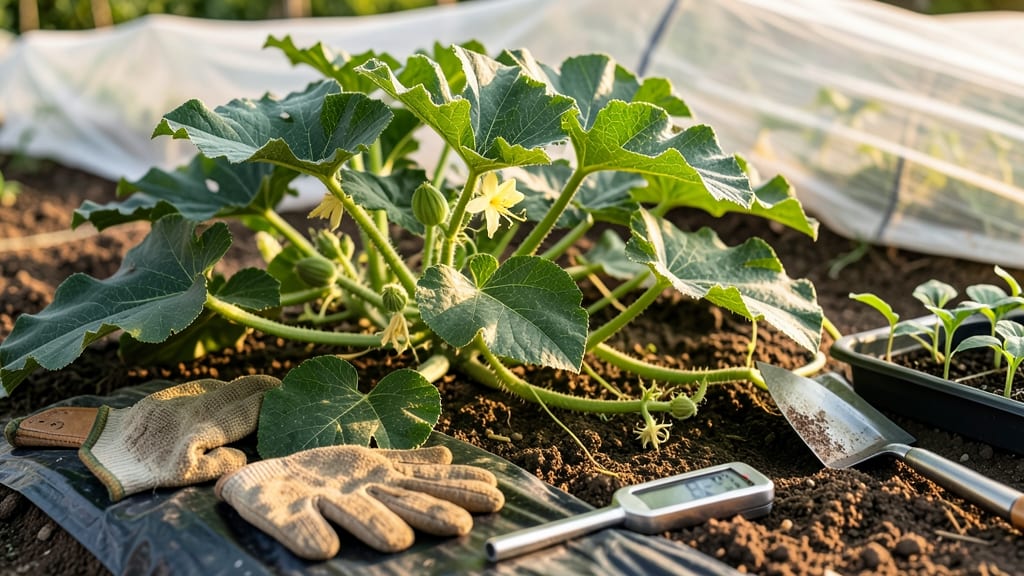
Planting watermelons in Alabama at the wrong time can turn your garden dreams into a bitter disappointment—literally. With the right timing, you’ll enjoy sweet, juicy 🍉 harvests from July to September, but get it wrong, and you risk bolting vines or frost-nipped seedlings.
Alabama’s 7b-8b climate gives you a long growing window, but the key is patience—wait until soil hits 70°F+ (usually mid-April to early June) to avoid wasted effort. Whether you’re in Mobile’s coastal heat or Cullman’s cooler hills, knowing your county’s last frost date is the game-changer.
I’ll break down the exact planting deadlines by region, plus pro tips for pre-sprouting in warm zones and avoiding common mistakes. Ready to turn your Alabama garden into a watermelon goldmine?
Let’s dive into the perfect planting schedule so you can harvest melons that’ll make your neighbors jealous.
Alabama county planting zones for watermelons: soil temps, deadlines & frost risks
Alabama’s diverse climate means planting watermelons in Madison County differs dramatically from Mobile County. The key? Soil temperature and last frost dates. Watermelon seeds need 70-75°F soil to germinate—any cooler, and you’ll face poor germination or stunted growth.
Let’s break down your county’s ideal planting window to avoid bitter fruit or premature bolting.
Northern Alabama (e.g., Jackson, Marshall) has later frost risks, while southern counties (e.g., Baldwin, Escambia) can plant earlier. The Black Belt region (e.g., Perry, Dallas) often hits 75°F soil by early April, while mountain counties like DeKalb may wait until late May.
Timing isn’t just about frost—it’s about heat tolerance too.
🌱 Pro Tip: Use a soil thermometer ($10 at garden centers) to confirm readiness. Stick it in the ground 2 inches deep—if it reads below 70°F, wait. Patience here prevents wasted seeds and sad, leggy seedlings.
| Region | Counties | Last Frost Date | Soil Temp Threshold | Planting Window | Deadline |
|---|---|---|---|---|---|
| North | Jackson, Marshall, DeKalb | April 15 | 75°F+ | Mid-May | June 1 |
| Central | Madison, Jefferson, Shelby | April 1 | 70°F+ | Late April | May 15 |
| South | Mobile, Baldwin, Escambia | March 15 | 68°F+ | Early April | April 30 |
| Black Belt | Perry, Dallas, Wilcox | March 20 | 72°F+ | Late March | May 1 |
| Coastal | Baldwin, Mobile, Washington | March 1 | 65°F+ | February 28 | April 15 |
🌡️ Note: Coastal areas can start 2-3 weeks earlier due to milder winters.
If you’re in Mobile County, you can direct-sow watermelon seeds as early as late February—but cover seedlings with frost cloth if nights dip below 50°F.
In Jackson County, however, wait until mid-May to avoid frost damage. Soil warmth is non-negotiable: cold soil = slow germination = weak vines.
🌱 Regional Hack: In hotter counties like Baldwin, plant ‘Crimson Sweet’ (heat-tolerant) by March 1. In cooler zones like Cullman, opt for ‘Sugar Baby’ (shorter season) and plant by May 1.
Miss the planting window? Don’t panic. Transplanting watermelon seedlings (from a greenhouse or nursery) can extend your season by 2-3 weeks. Just harden them off first—acclimate seedlings to outdoor conditions over 7-10 days to avoid shock.
🌱 Warning: Planting too late (after June 1 in most counties) risks small, seedy fruit before the first frost. Watermelons need 75-90 days to mature—factor that into your deadline!
For urban gardeners in Birmingham or Huntsville, raised beds warm up faster than in-ground soil. Add black plastic mulch 2 weeks before planting to raise soil temps by 5-10°F. This trick lets you plant 10-14 days earlier in USDA Zone 7b areas.
🌱 Final Tip: Mark your calendar for July 4th—this is Alabama’s unofficial watermelon harvest peak. If you plant by the deadlines above, you’ll be slicing into homegrown sweetness just in time for summer picnics.
How to adjust planting dates for Alabama’s microclimates: heat tolerance & variety choices
Alabama’s climate varies wildly from the cooler Appalachian foothills to the sweltering Gulf Coast, and your watermelon planting strategy should match.
In Mobile or Baldwin County, where summer temps hit 95°F+, you can push planting to late March—but in Cullman or Jackson, wait until mid-May to avoid frost surprises.
I’ve grown watermelons in both extremes, and the difference is night-and-day. Coastal areas like Dauphin Island let you plant 2-3 weeks earlier than inland counties, thanks to warmer soil. Meanwhile, the Black Belt region (like Macon County) benefits from slightly delayed starts to align with soil warming.
🌱 Pro Tip: Use a soil thermometer—watermelon seeds need 75°F+ soil to germinate. If your soil’s cooler, try black plastic mulch to warm it up faster.
Plant late March to early April—soil warms fast here. Best varieties: ‘Crimson Sweet’ (heat-tolerant) or ‘Charleston Gray’ (disease-resistant).
Stick to mid-April to early May. Opt for ‘Sugar Baby’ (smaller, faster-maturing) or ‘Yellow Doll’ (great for shorter seasons).
Wait until late April to mid-May—cooler nights slow germination. Try ‘Black Diamond’ (disease-resistant) or ‘Jubilee’ (large, sweet fruit).
Plant early to mid-April—soil warms earlier than northern counties. ‘Congo’ (heat-loving) or ‘Moon and Stars’ (ornamental + edible) work well.
For extended harvests, consider succession planting in coastal areas: start a second batch in early June for a fall crop. Just be ready to harvest by October before cooler temps arrive.
🌡️ Heat Hack: If your county’s summer consistently exceeds 90°F, choose ‘heat-tolerant varieties like ‘Crimson Sweet’ and mulch heavily to retain moisture. Overwatering in extreme heat leads to blossom-end rot—a common mistake.
Finally, avoid planting in low-lying areas where frost lingers. Even in warm zones, microclimates matter—a hilltop in Madison County might be 5°F warmer than a valley, giving you 10 extra frost-free days. Scout your garden in March to spot these differences.