Plants
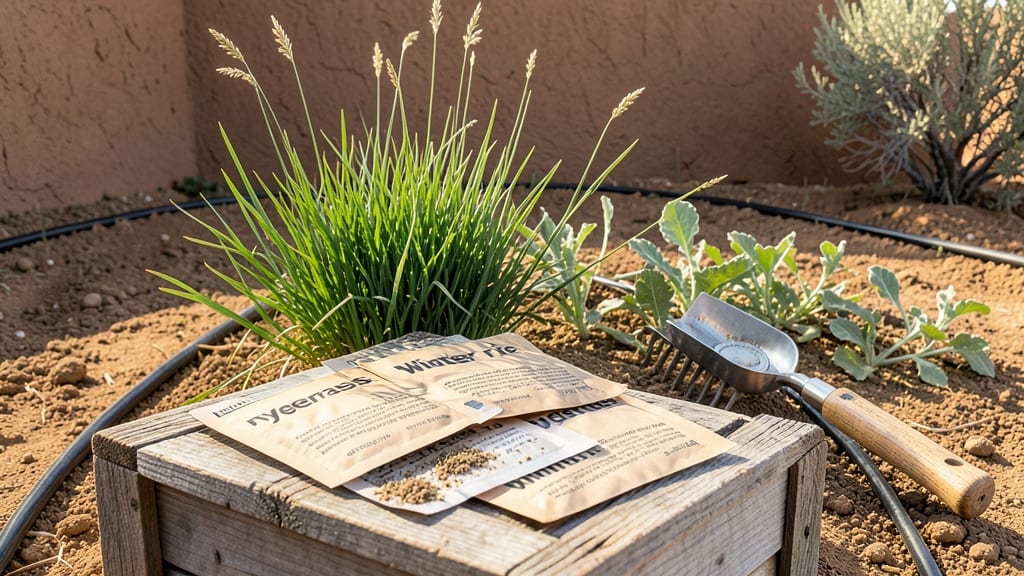
If you’ve ever wondered when to plant winter grass in Arizona, the answer isn’t just about the calendar—it’s about beating the heat and embracing the cool season.
The perfect window for planting 🌱 winter grass (like ryegrass or fescue) is between September and November, when temperatures drop and the risk of summer’s scorching sun fades.
Why does timing matter so much? Planting too early means battling Arizona’s lingering heat, while waiting too long risks frost-sensitive grasses struggling to establish roots.
I’ll break down the best months for your specific region—whether you’re in Phoenix’s low desert or Flagstaff’s cooler highlands—so you can avoid common pitfalls and get that lush, green lawn just in time for winter.
Beyond the calendar, soil prep and grass variety make all the difference. We’ll cover how to prepare Arizona soil for winter success, which cool-season grasses thrive in your microclimate, and why some varieties outperform others in the Grand Canyon State. Ready to transform your yard? Let’s get started.
Don’t let another season slip by with patchy grass—this is your guide to planting 🌱 winter grass the right way, tailored for Arizona’s unique challenges. Whether you’re a first-time planter or a seasoned gardener, these insights will help you achieve the best results with minimal effort.
Optimal planting months for winter grass in Arizona’s climate Zones
Arizona’s diverse climate means one planting schedule doesn’t fit all. The low desert (Phoenix, Tucson) has a longer growing window than the high desert (Flagstaff, Sedona), where frost arrives earlier.
For cool-season grasses, aim to plant 4-6 weeks before your area’s first frost—this ensures roots establish before winter dormancy kicks in.
In Phoenix and Tucson (USDA Zones 9b-10a), your ideal planting window stretches from mid-September to early November. The heat of late summer has faded, but the ground stays warm enough for germination.
If you plant in late August, be prepared to water deeply to combat residual heat stress.
For Flagstaff and Prescott (USDA Zones 6b-7a), shift your timeline 2-3 weeks earlier. Plant between late August and mid-October to avoid early frosts that can kill young seedlings. High-elevation areas may even see light frosts by December, so don’t delay!
Arizona’s monsoon season (July-August) can create confusion. While rains help germination, excess moisture without proper drainage leads to fungal diseases. Wait until after mid-August to plant—this gives the soil time to dry out slightly while still benefiting from monsoon moisture.
Here’s a quick rule of thumb: Plant when daytime highs consistently stay below 90°F (32°C) and nighttime lows dip into the 50s°F (10-15°C). This balance boosts seedling vigor while avoiding heat shock.
🌱Pro Tip: Use a soil thermometer to check if temps are 60-75°F (15-24°C)—the sweet spot for cool-season grass germination.
🌡️ Arizona Winter Grass Planting Timeline by Region
| Region | USDA Zone | Best Planting Months | First Frost Date | Key Consideration |
|---|---|---|---|---|
| Phoenix/Tucson | 9b-10a | Mid-Sept to Early Nov | Dec 1 (rare) | Heat lingers; water deeply |
| Yuma | 10a | Late Aug to Oct | None (frost-free) | Extreme heat; shade helps |
| Flagstaff/Sedona | 6b-7a | Late Aug to Mid-Oct | Nov 15 | Frost risk; use cold-hardy varieties |
| Prescott | 7a | Early Sept to Oct | Oct 31 | Cooler nights; slower growth |
💡 Note: Elevation changes frost dates—check your local USDA Plant Hardiness Zone for precision.
If you’re in a transition zone (like Mesa or Casa Grande), split the difference: plant in early September for a balance of heat avoidance and root establishment. These areas often see hot afternoons but cool nights, which can stress young seedlings.
Remember, late planting (after November) risks weak root systems before winter dormancy. If you miss the window, consider overseeding in early spring (March) for a second chance at a green lawn.
For best results, align your planting with Arizona’s rainfall patterns. The monsoon’s tail end (late August) can help, but supplemental irrigation is often needed. Aim for 1/2 inch of water per week during establishment to keep soil consistently moist but not soggy.
🌿 Final Tip: Mark your calendar for September 15th—this is the sweet spot for most of Arizona’s low desert. For high desert, shift to September 1st to beat the frost.
Optimal planting months for winter grass in Arizona’s climate Zones
Arizona’s diverse climate zones mean one planting schedule doesn’t fit all. The low desert (Phoenix, Tucson) has hotter winters with rare frost, while the high desert (Flagstaff, Prescott) experiences cooler temps and occasional light freezes.
Your best window for planting cool-season grasses depends on where you live—and avoiding summer’s brutal heat.
For Phoenix and Tucson (USDA Zone 10a-11a), aim to plant late August through October.
The soil stays warm enough to encourage germination, but daytime temps begin cooling. Flagstaff and Sedona (Zone 7b-8a) can plant as late as mid-October to November, thanks to their cooler microclimates and earlier frost dates.
Why does this matter? Planting too early in the low desert risks heat stress on young seedlings, while waiting too long in the high desert risks frost damage before roots establish. My rule of thumb: plant 4-6 weeks before your area’s first frost—typically mid-October for most of Arizona.
🌱 Winter Grass Planting Timeline by Arizona Region
| Region | Best Planting Window | Key Considerations |
|---|---|---|
| Low Desert (Phoenix, Tucson) | Late August - October | Soil stays warm; avoid Sept heatwaves |
| High Desert (Flagstaff, Prescott) | Mid-October - November | Cooler temps; frost risk after Nov 15 |
| Central AZ (Mesa, Gilbert) | Early Sept - Mid-October | Transition zone; monitor forecasts |
🌡️ Pro Tip: Check your local first frost date (typically Dec 1 in high desert) and plant 6 weeks before for best results.
Don’t overlook elevation’s impact. A yard in Scottsdale (1,100 ft) will handle late-September planting, while Jerome (5,000 ft) needs to start by mid-October. Use the USDA Plant Hardiness Zone Map to refine your timing—most of Arizona falls in Zones 7b-11a, but microclimates vary wildly.
If you’re planting annual ryegrass as a temporary cover (common in Arizona), you can push the window to early December—it germinates quickly and handles cooler temps. But for perennial grasses like tall fescue, stick to the September-October window to avoid winter stress.
Remember: Arizona’s unpredictable weather means flexibility is key. Keep an eye on 10-day forecasts and adjust your planting date if a heatwave or early frost is predicted. With the right timing, your winter grass will establish strong roots before the holidays—and outlast Arizona’s winter surprises. 🌿