
Plants
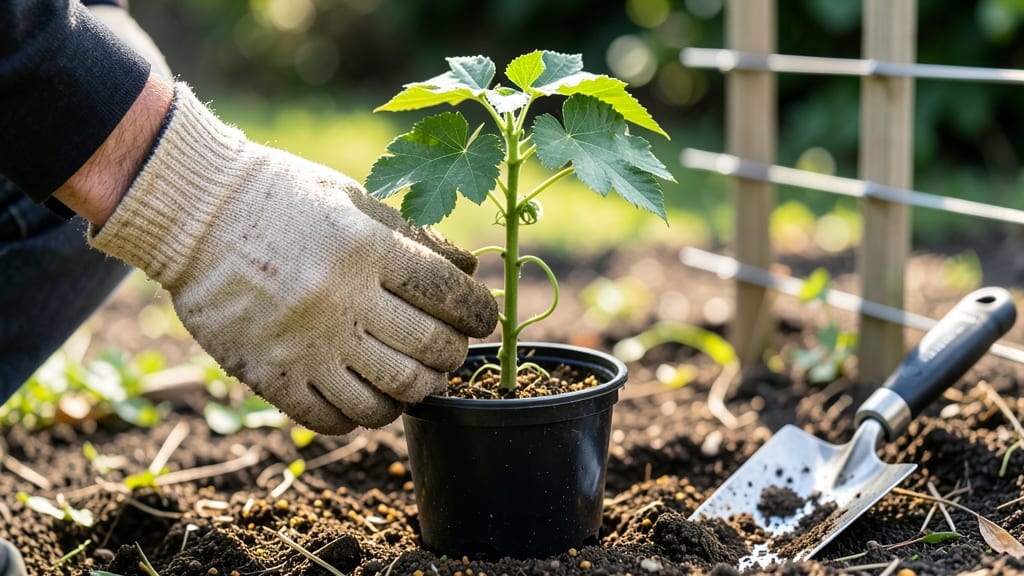
Timing your hop planting in Michigan isn't just about luck—it's about catching that narrow frost-free window between late April and early May when the soil warms enough for those 🌿 rhizomes to take root without risking a late freeze.
If you've ever watched your hops struggle or wither after a surprise frost, you know how critical this window is.
Michigan's 5b-6b zones mean your Upper Peninsula neighbors might plant 2 weeks earlier than gardeners in Detroit, and getting it wrong can mean the difference between a thriving vine and a lost season.
I’ll break down exactly when to plant—whether you’re working with early varieties like Cascade or late bloomers like Galena—plus how to prep your soil and trellis for maximum success. No more guessing games, just data-driven timing to ensure your hops grow strong and your harvest is bountiful.
Ready to turn your Michigan garden into a hop-growing powerhouse? Let’s dive into the step-by-step timing and pro tips that’ll have your vines reaching for the sky by summer.
Michigan’s frost-free zones & optimal planting windows by region
Michigan’s USDA hardiness zones 4-6 create a patchwork of planting windows, with the Upper Peninsula typically running 2-3 weeks later than the Lower Peninsula.
For most regions, the last frost date falls between mid-April and early May, but microclimates like Traverse City or Detroit can shift this window by 1-2 weeks.
Hops thrive when planted after soil temperatures reach 50°F (10°C)—a threshold usually met by late April in southern Michigan and early May in the UP. Planting too early risks frost damage to tender shoots, while waiting too long can stunt root development before summer’s heat sets in.
Your local USDA zone isn’t the only factor: elevation, proximity to Lake Michigan, and urban heat islands all play roles. For example, Grand Rapids (Zone 5b) may see frost-free conditions by April 25th, while Marquette in the UP (Zone 4b) often waits until May 10th.
🌱
| Region | USDA Zone | Avg. Last Frost | Optimal Planting Window | Microclimate Notes |
|---|---|---|---|---|
| Southern MI (Detroit, Ann Arbor) | 5b-6a | April 15-May 1 | Late April | Urban areas warm faster; plant 1 week earlier |
| West MI (Grand Rapids, Kalamazoo) | 5a-5b | April 25-May 5 | Early May | Lake-effect delays frost; wait for soil warmth |
| Northern Lower MI (Traverse City) | 5b-6a | April 20-May 1 | Late April | Lake moderates temps; plant near water for protection |
| Upper Peninsula (Marquette, Houghton) | 4b-5a | May 5-15 | Early May | Shorter season; prioritize early-maturing varieties |
For early-spring varieties like Fuggle, aim to plant by April 30th in southern Michigan to ensure 90+ days of growth before frost. Late-spring varieties such as Cascade can tolerate planting until May 15th but risk reduced cone production if stressed by heat.
Use row covers or black plastic mulch to warm soil faster in cooler zones, but remove them once shoots emerge to prevent overheating. In Zone 4b, consider starting rhizomes indoors in early April for a head start.
Always monitor local weather forecasts and use frost-free calculators (like the Michigan State University Extension tool) to fine-tune your timeline. A 5-day forecast of 50°F+ nights is your green light to plant.
🌡️
Pro tip: Plant rhizomes (not seeds) in Michigan—they establish roots faster and handle frost better. Store them in a cool, dark place until planting day to prevent premature sprouting.
If you miss the spring window, June planting is possible for late varieties, but expect smaller yields and prioritize shade cloth during summer’s peak heat to protect tender cones.
Variety-specific planting timing for Michigan hops: early vs. late varieties
Michigan’s hop varieties thrive best when planted at specific times to match their growth cycles. Early varieties like Cascade and Centennial need cooler soil temperatures, while late varieties like Galena or Aurora can handle warmer conditions.
Planting at the wrong time risks stunted growth or frost damage, so timing is everything.
For early varieties, aim for late April to early May when soil temperatures reach 50–55°F. These varieties grow faster in cooler conditions, making them ideal for Michigan’s shorter growing season.
Late varieties, however, can tolerate warmer soil and should be planted mid-May to early June to avoid heat stress.
Here’s how to align your planting with Michigan’s climate and variety needs:
| Variety | Planting Window | Soil Temp Threshold | Growth Notes |
|---|---|---|---|
| Cascade | Late April–Early May | 50–55°F | Fast growth, needs cool soil |
| Centennial | Late April–Early May | 50–55°F | High yield, early harvest |
| Galena | Mid-May–Early June | 55–60°F | Heat-tolerant, late-season |
| Aurora | Mid-May–Early June | 55–60°F | Disease-resistant, late harvest |
If you miss the spring planting window, some late varieties can still be planted in early June, but expect slower growth. Always check your local last frost dates—Michigan’s Upper Peninsula (Zone 4) has a shorter window than the Lower Peninsula (Zone 6), so adjust accordingly.
For best results, prepare your trellis system before planting and ensure your soil is well-draining and rich in organic matter. Hops need consistent moisture, especially during cone development, so mulch heavily to retain soil moisture.
Timing isn’t just about the calendar—it’s about matching your hop variety to Michigan’s climate. With the right approach, you’ll enjoy a thriving hop garden ready for harvest by late summer! 🌱